

Your Reliable Essential Oil Supplier for Soap Making
Pure soap inherently has a fishy and greasy odor after being saponified without any fragrance at all. However, our essential oils for soap making can bring fragrance to your soap, which can enhance your customer experience. Moreover, some of our essential oils in soap-making also have therapeutic, antibacterial agents and other effects to make your soaps more special and distinctive.
All of our soap-making essential oils are 100% pure plant-based and have been optimized at the application level for the soap system. They can stably adapt to common soap base systems such as coconut oil, castor oil, shea butter oil and olive oil. Using our essential oils for soap making, you can realize a uniform mixture state without affecting your soaps’ foaming performance and hardness.
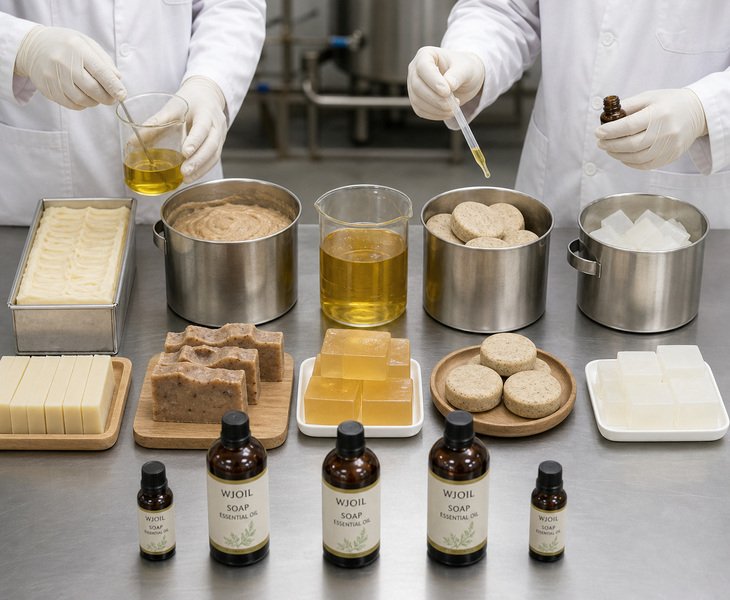
WJOIL can provide you with many different essential oils for soap making such as lavender oil, tea tree oil, rosemary oil, eucalyptus oil, peppermint oil, sweet orange oil, lemon grass oil and so on. We also support different soap types such as cold-pressed soap, hot-pressed soap, transparent soap and shampoo soap with dedicated fragrance schemes. In addition, we also offer custom blended fragrance development, aroma replication analysis, IFRA compliance support and OEM formula suggestion services.
Contact us to obtain exclusive soap essential oil solutions.
Our Common Essential Oil Products for Soap Making
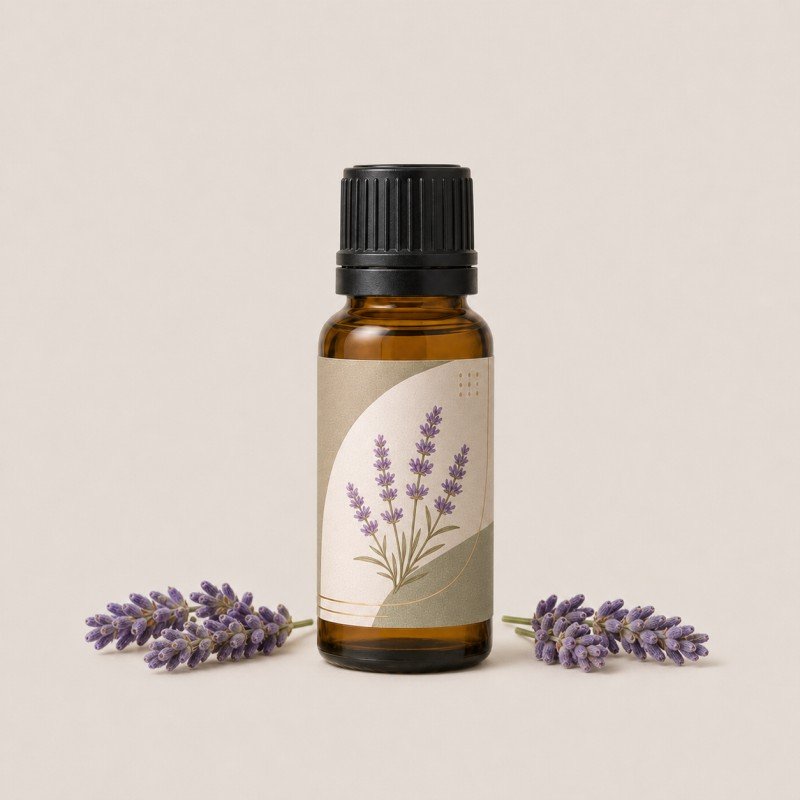
It is an ideal choice for you to develop soaps for babies and children, sensitive skin and soothing facial cleansers. It soothes irritated and dry skin and helps to improve skin conditions such as acne and eczema.
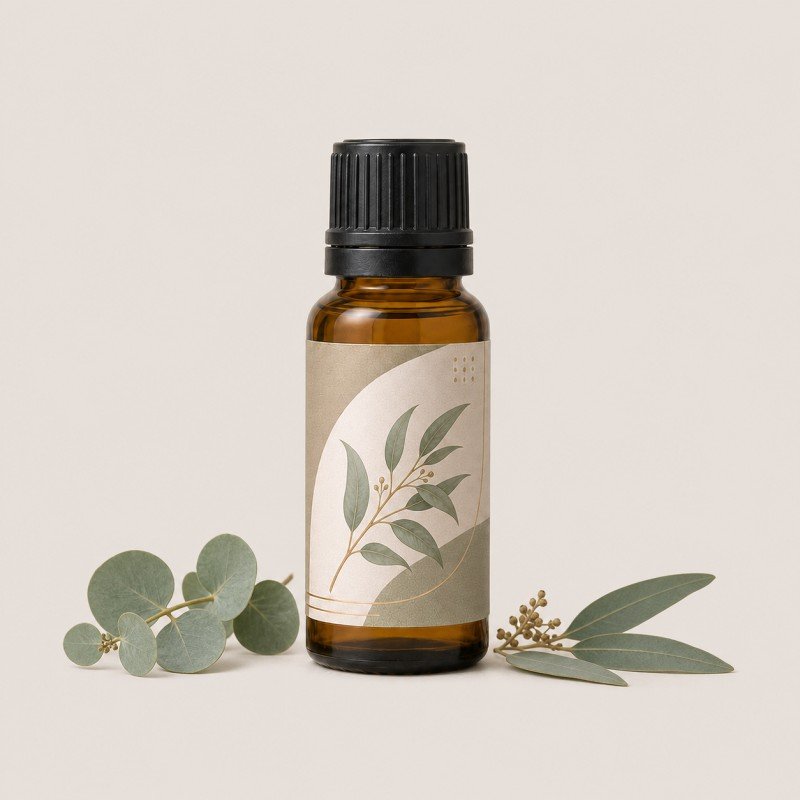
Our eucalyptus essential oil can give you a distinct cooling sensation and a camphor-like aroma, which is a quintessential essential oil for functional soap such as deep cleansing soap.
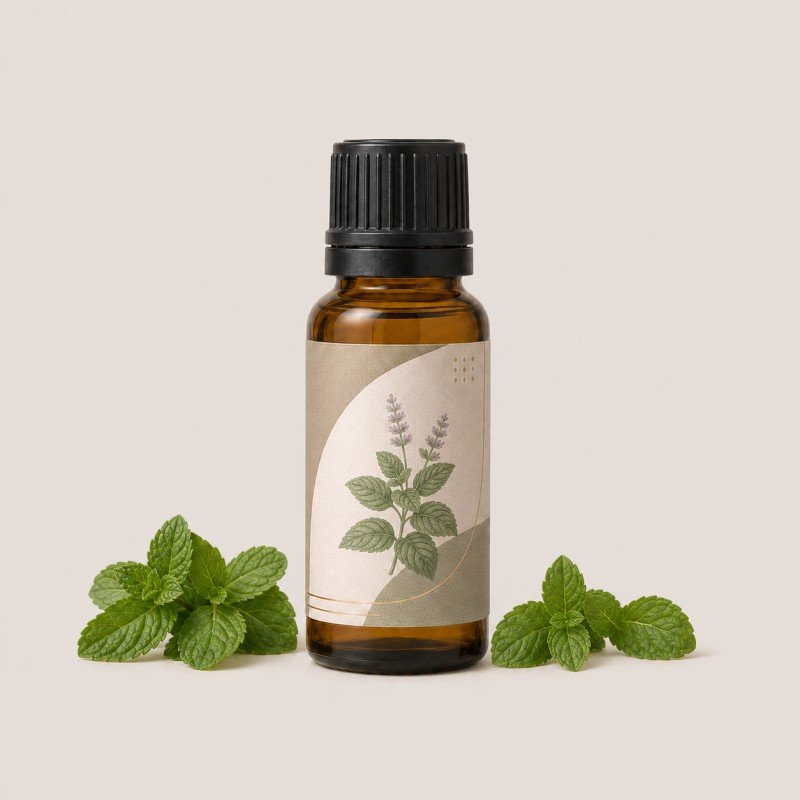
With a highly recognisable cooling sensation, it provides an instant refreshing experience. You can use it to produce limited-edition summer soaps, cooling facial cleansers and oil-control soaps for men.
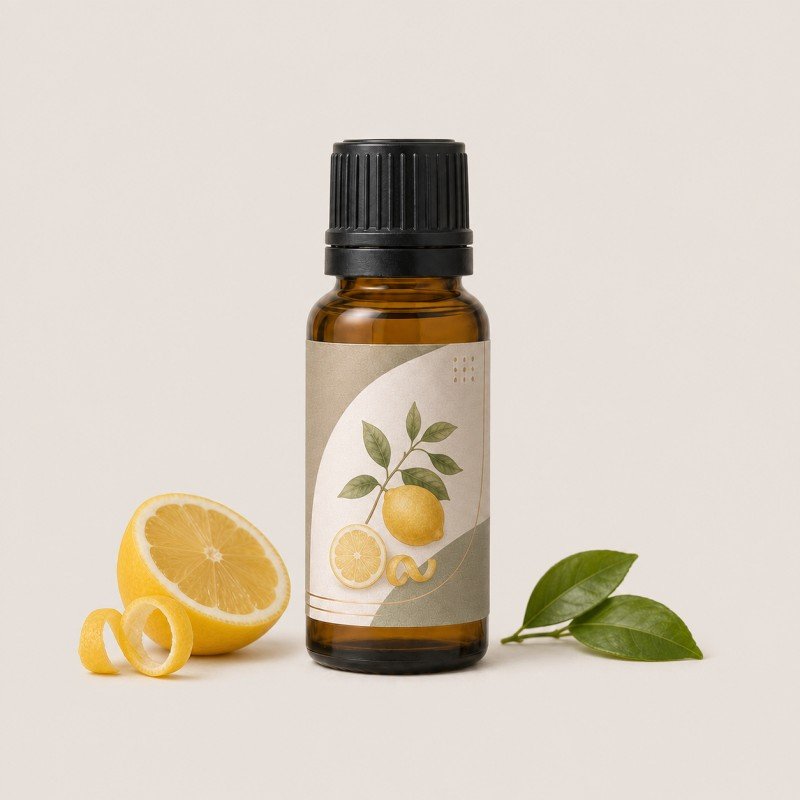
Has a very clean, bright citrus aroma and is one of the fragrances that best conveys a cleanliness sense. It can sometimes slow down the setting of the soap mixture and also help to extend your working time.
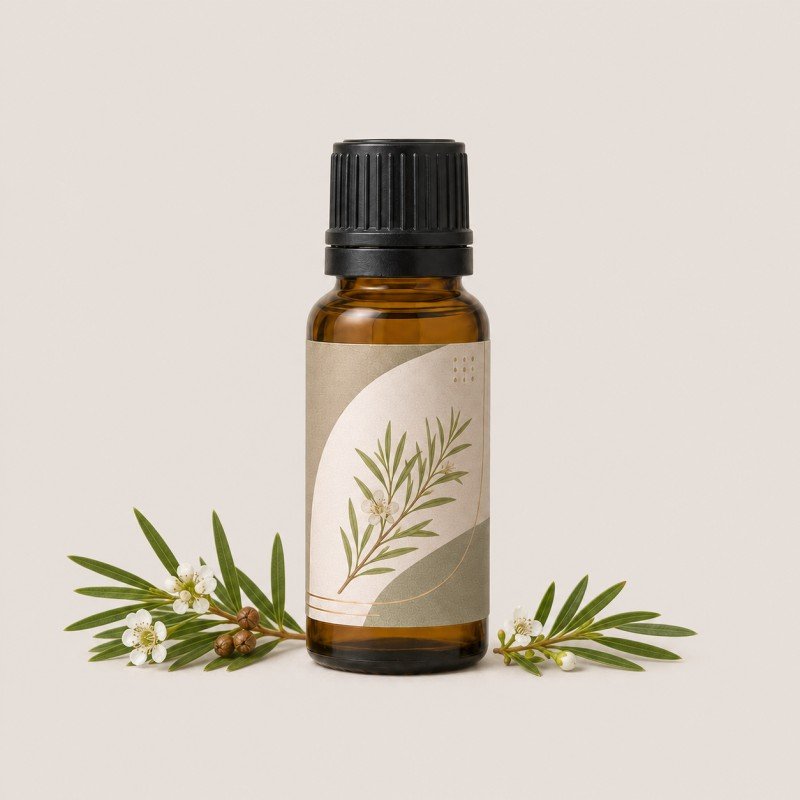
Due to the purifying properties, it is a good choice for you to make facial soap or cleansing soap. It is more common to blend with lavender, mint or eucalyptus rather than being used on its own.
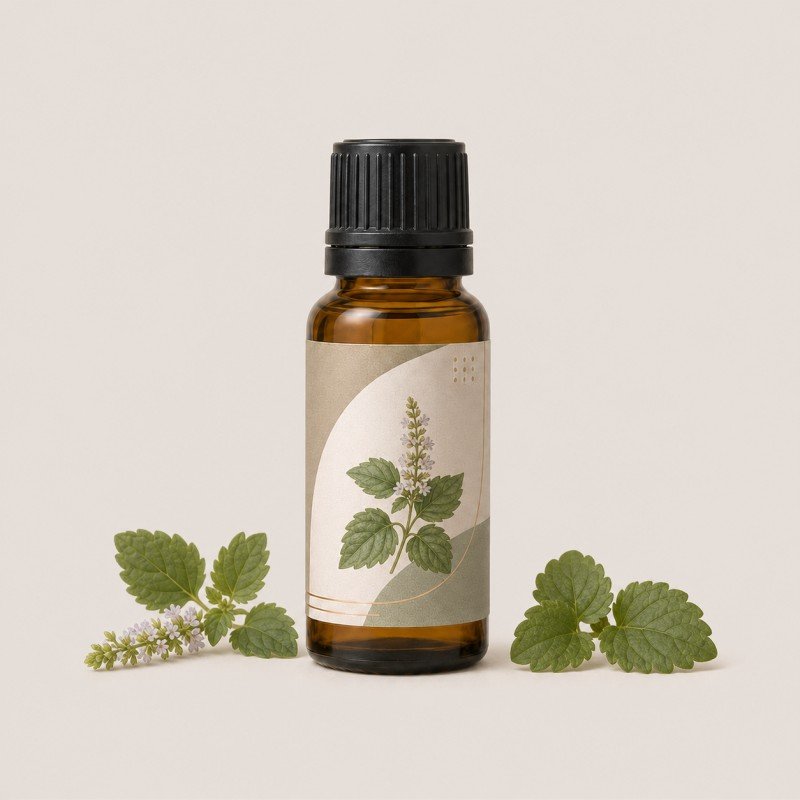
It has a very rich, deep and long-lasting aroma. Whilst it may be too overpowering when used on its own, it is suitable for blending into lighter fragrances, particularly when making soap.
Signature Fragrance Development
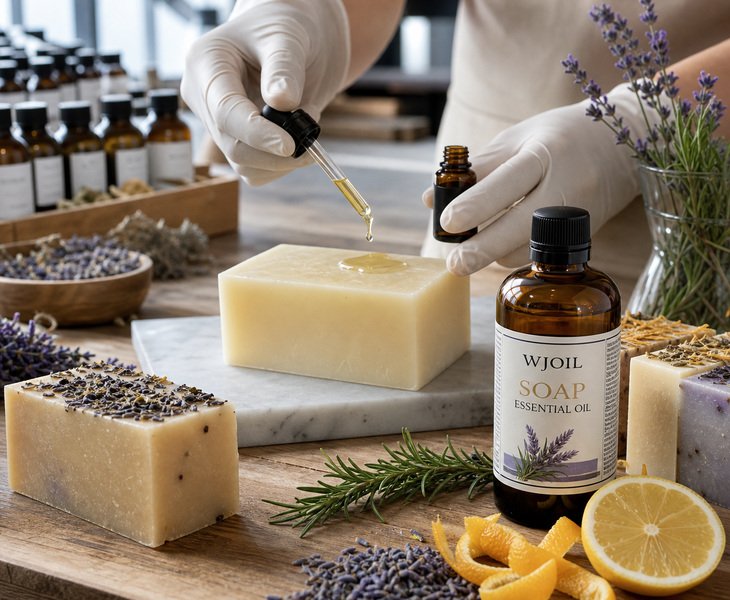
Our essential oils for soap making can effectively mask these original odors and create a more natural, cleaner and layered plant aroma structure within the soap, allowing your product to offer a better experience for customers.
Skin-Friendly Formulation Support
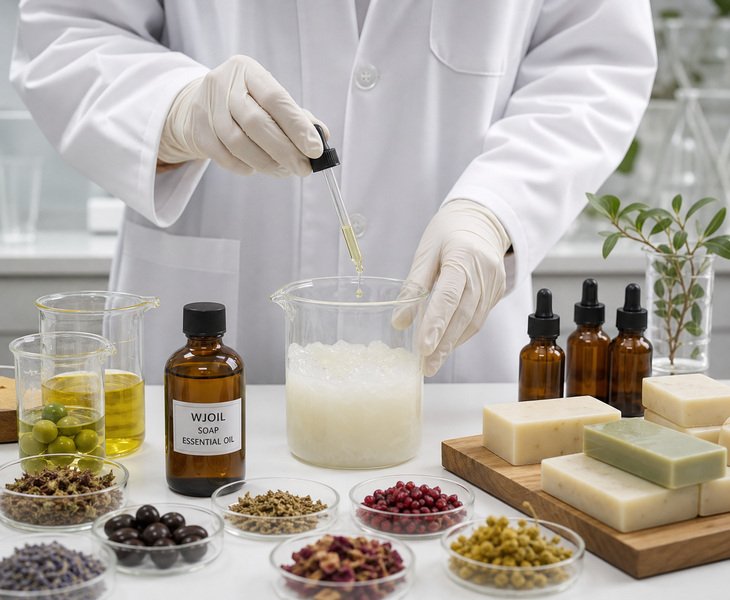
WJOIL soap-based essential oils usually contain natural plant active ingredients like antioxidants, polyphenols and natural vitamins. They allow you to further develop functional cleansing and care products such as skin cleansing, oil control or moisturizing soaps.
Compatible with Multiple Soap Systems
Our soap-based essential oils have been optimized at the formulation level, and can maintain stable performance in different saponification environments, including cold process soap, hot process soap, transparent soap, shampoo soap, and melt & pour soap.
Improving Your Soap Stability
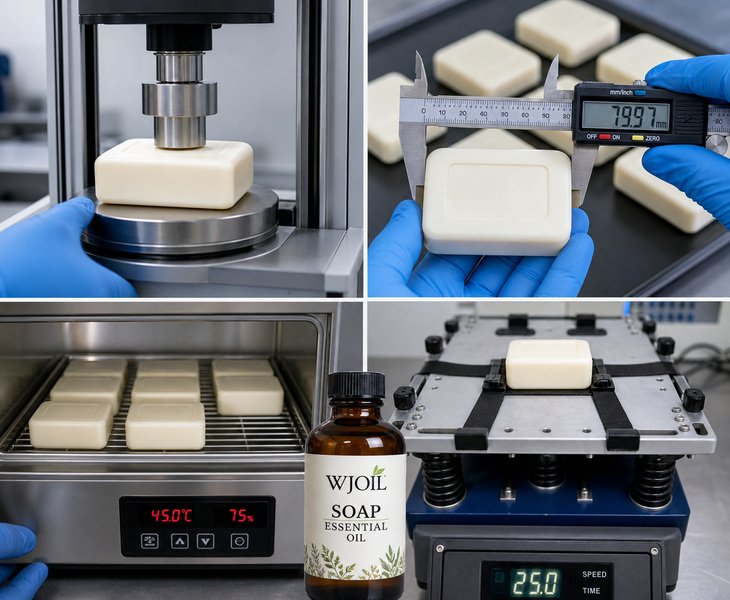
WJOIL essential oils for soap making can also act as an auxiliary stabilizing component within the formula, helping to enhance your soaps’ hardness and slow down the softening process. It effectively reduces deformation, oil seepage, and loose texture during long-term storage and long-distance transportation.
If you are developing natural soaps, handmade soaps, Clean Beauty products or high-end plant care series, essential oils for soap making are usually a better choice. Essential oils for soap making come from natural plants like flowers, plants, herbs and trees. They can provide natural plant scents for your soap and can easily reproduce or enhance the scents of many fresh raw materials. After all, nothing can make a pure lemon soap like using lemon essential oil.
In contrast, soap-making fragrance oils are usually composed of multiple natural or synthetic aromatic components. They can provide you with more diverse fragrance options and more stable fragrance performance with lower cost.
When developing a soap-making essential oil formula, you should consider fragrance performance, saponification speed, skin safety and product stability.
For example, cinnamon oil, clove oil, and nutmeg oil have high irritation levels and may accelerate the saponification process to make your cold-pressed soap liquid to thicken rapidly and affect the operation time. So they are usually not recommended for use as high-concentration single ingredients.
It is also not recommended for you that some untreated or highly fragrant natural oils may affect the final soap’s odor, such as unrefined shea butter oil, cocoa butter.
In addition, some raw materials such as frankincense oil and iris essential oil have sensitization risks. You should also take more careful assessment, when developing products for sensitive skin or infant care markets.
In the hot soap-making process, it is suggested for you to wait until the saponification is basically completed and the soap liquid temperature has dropped before adding the essential oils. Avoiding high temperatures can prevent the aromatic components’ rapid evaporation, which would affect your final soap’s fragrance retention effect.
In cold process soap-making, the timing of adding essential oils is more flexible. Because essential oils do not participate in the saponification reaction so they do not affect the saponification chemical process. You can add them during the oil mixture stage or the slight trace stage.
At the same time, it should be noted that different essential oils may affect the soap liquid state. For example, some floral or spicy essential oils may accelerate the soap liquid’s thickening speed while darker essential oils for soap making (such as dark patchouli) may change the final color of the soap.
Due to their natural volatile plant components, when using some top notes alone, the fragrance may quickly weaken over time.
The more effective approach is to adopt a compound fragrance structure. You can create a more stable fragrance structure through the combination of different volatile oils with different evaporation rates. Of course, you can also choose high-concentration and high-purity grade essential oil raw materials for soaps.
Among all essential oils for soap making, low-volatile essential oils such as patchouli, cedarwood, sandalwood, and vetiver are usually regarded as fragrance-fixing base components.
For example, citrus essential oils (sweet orange, lemon, bergamot) have fresh, bright top notes, but their scent does not last very long. You can blend them with low-volatility base notes such as cedarwood, patchouli and vetiver. Lavender essential oil is very common in both cold-process and commercial soaps, but its scent gradually fades during the curing process. You can add a small amount of woody or herbal essential oils.
You should adjust soap-making essential oils’ addition ratio needs according to the specific type, soap base formula, desired aroma intensity and sales market regulations.
Generally speaking:
- Regular soap: Commonly add 1.5%–3%.
- High fragrance handmade soap: About 3%–5%.
- Sensitive skin care soap: It is recommended to control at 1%–1.5%.
In fact, the safe usage range of different essential oils also varies. Before formal production, it is recommended for you to refer to the IFRA Category 9 standard to confirm the maximum addition ratio suitable for soap products.
The flash point is the lowest temperature at which the essential oil volatile vapor can be ignited when exposed to a heat source. It is an important parameter for assessing the raw material safety during transportation and production.
For the cold-making soap process, the essential oils are usually added at a lower temperature stage. So there is usually no need to overly focus on the flash point issue in the actual production process.
However, when working with a hot process or melt and pour soap methods, you must carefully confirm the flash point.