

Your Reliable Rosemary Oil Supplier
WJOIL rosemary oil is extracted from the rosmarinus officinalis leaves and tender branches through steam distillation. With rich content of natural active ingredients such as 1,8-cineole, camphor, and α-pinene, it is widely used in hair care, hair loss prevention, skin care products, massage oils, aromatherapy products, natural fragrances, and functional personal care product development.
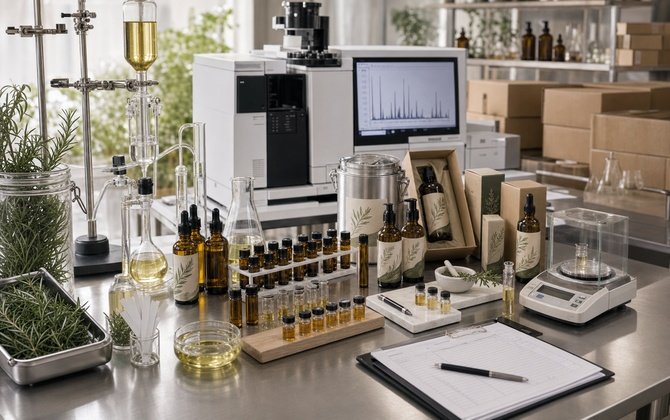
All of our oils are subject to strict quality control and can offer GC-MS component analysis reports, COA, MSDS, and related export documents. In addition, we can provide you with different specifications and grades of rosemary oil. Meanwhile, WJOIL also can give you pre-blended compound formulas about rosemary essential oil and base oil according to your product positioning.
\Whether you are building a hair care brand, developing natural skin care products, entering the Wellness market, or seeking a long-term stable essential oil raw material supplier, we can provide you with a one-stop solution from raw material supply, formula support to OEM/ODM production.
Rosemary Oil Product by Features
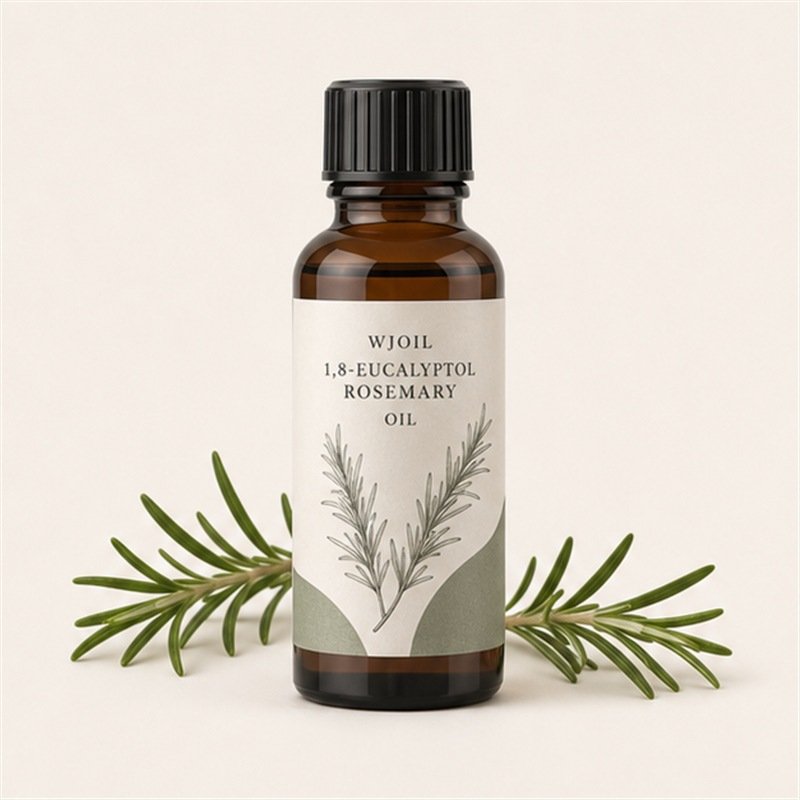
It is the most popular choice in the global hair care market. With a high concentration of 1,8-cineole, it also promotes a healthy scalp, prevents hair loss and delivers a refreshing sensation.
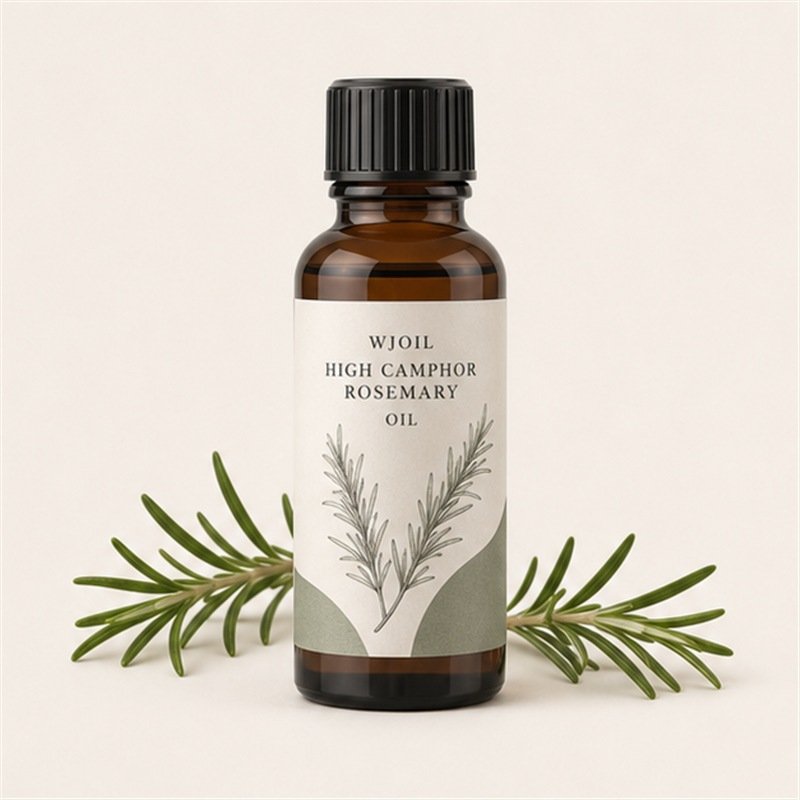
Have a higher camphor content, a stronger smell, and a slightly spicy note. But also show a stronger antibacterial, anti-inflammatory, and muscle soreness relief capabilities.
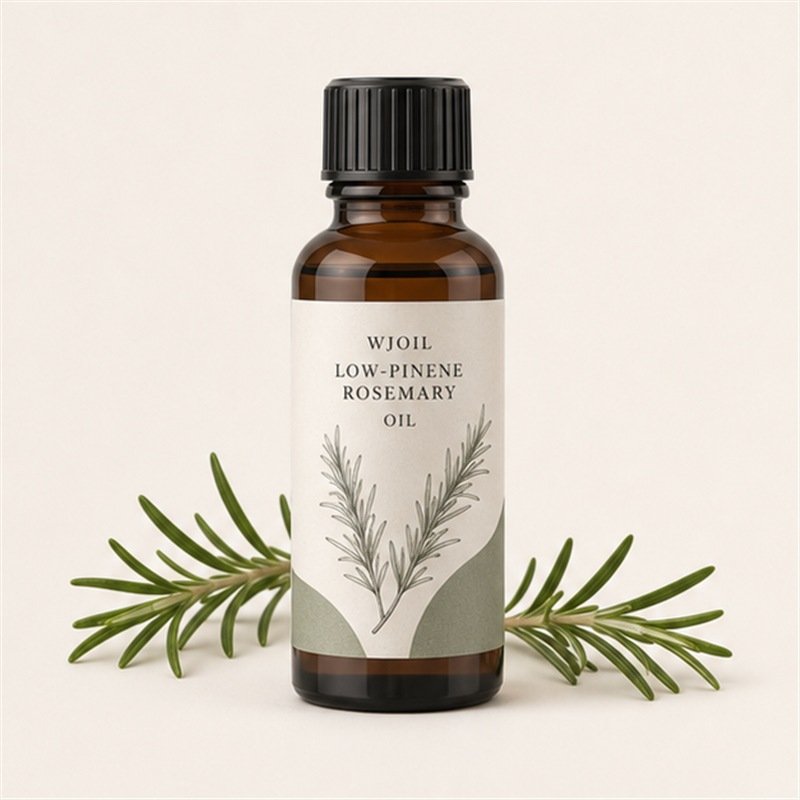
After special purification treatment, it shows minimal allergenic potential without strong herbal notes. Particularly suitable for sensitive skin and developing premium skincare products.
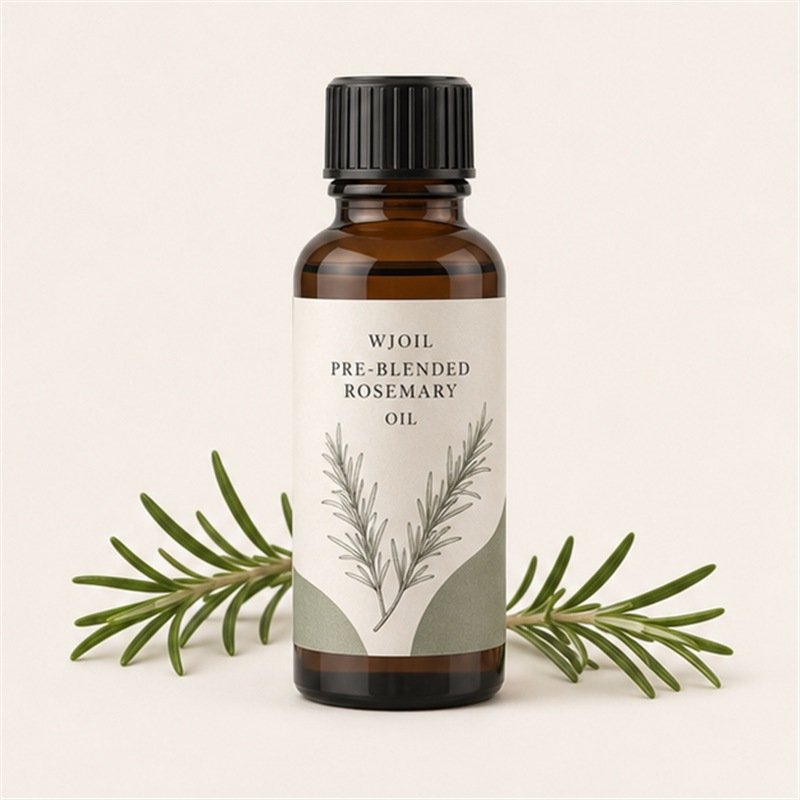
It has been pre-blended with rosemary oil and base oil at professional ratios. You don’t need to calculate the dilution ratio. Suitable for rapid prototyping, formula development and small batch testing.
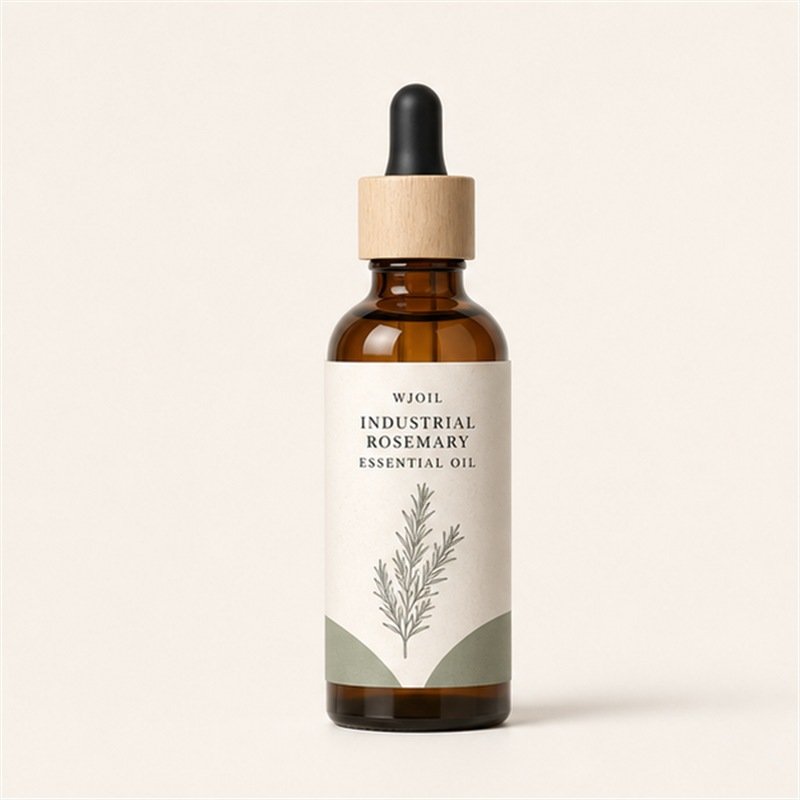
Adopt standardized large-scale production processes, which can meet large-scale purchasing needs. It ensures stable basic quality while delivering you more competitive procurement costs.
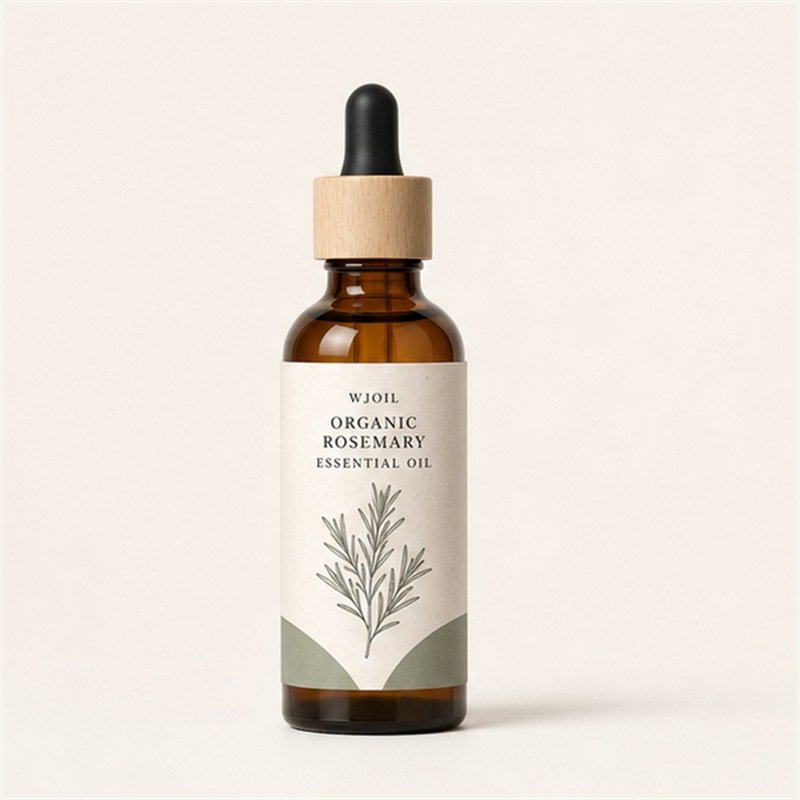
It is produced using certified organic rosemary raw materials. The entire process follows organic management standards. Without any chemical pesticides, chemical fertilizers, or herbicides.
Natural Scalp Care Ingredients
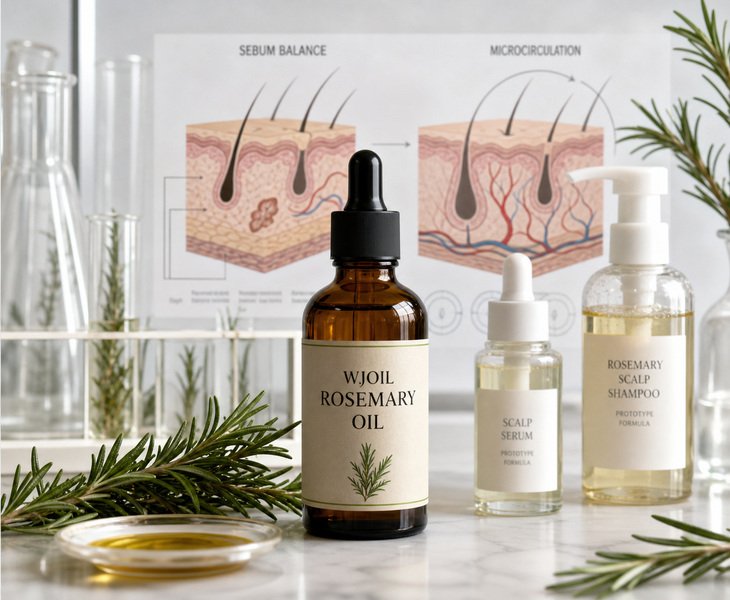
Our rosemary oils’ core active ingredients like 1,8-cineole (1,8-Cineole) and α-pinene (α-Pinene), can gently act on the scalp surface, helping to regulate sebum secretion and improve problems such as excessive oiliness of the scalp and flattened hair roots caused by oil imbalance. At the same time, it can promote the scalp microcirculation and keep the hair follicle environment healthy. This can enhance scalp vitality and create a more ideal environment for healthy hair growth.
In addition, our rosemary oil also has natural antibacterial properties, which can help avoid problems such as dandruff and scalp discomfort caused by excessive reproduction like Malassezia bacteria. Compared with some irritating oil-control ingredients, rosemary essential oil functions effectively with hardly damaging the scalp natural sebum barrier. It allows you to better meet current consumers’ demands for gentle, natural and long-term care.
Multiple Skincare Benefits
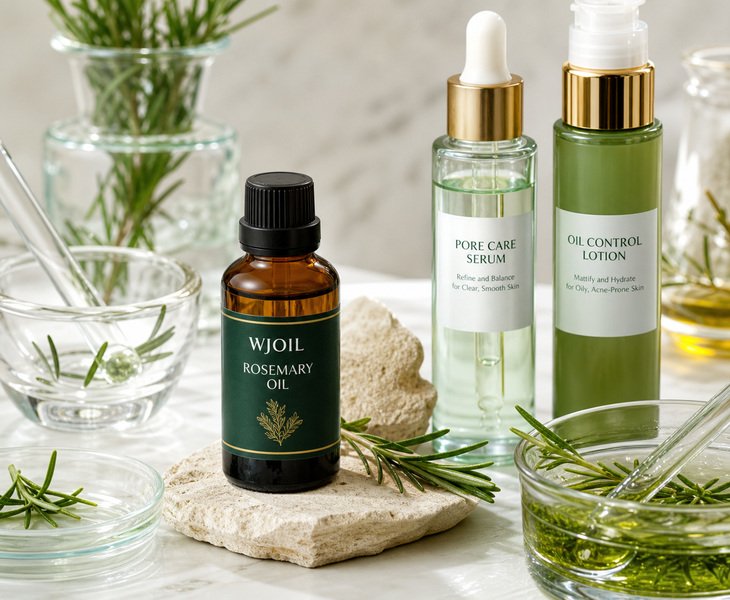
WJOIL rosemary oil is rich in natural antioxidant components, which can help the skin resist free radical damage and lower the stress on the skin caused by environmental factors. Meanwhile, it can provide you with shrinking pores, balancing oil secretion, soothing the skin and assisting in improving acne-prone skin conditions. Therefore, it is also commonly used in oil control care, acne-prone skin care, pore management and natural antioxidant skincare products.
After being properly diluted, our rosemary essential oil can be adapted to different skincare systems, including serums, creams, lotions, facial care oils and body care products. And you can flexibly apply it in different production processes such as cold blending, emulsification and compounding. With low development barriers and high production stability, it is more suitable for large-scale product development and long-term market layout.
Why Choose WJOIL as Your Partner for Rosemary Oil?

- All of our rosemary oils come from the same high-quality origin and are transported under light-proof conditions and stored with strict management to control the fluctuation of active ingredients in each batch within ±5%.
- Each batch of rosemary oil undergoes a complete quality inspection process and supports GC-MS component analysis reports, COA quality inspection reports, MSDS safety technical instructions and other related export documents.
- We can give you one-stop support based on the target market, product positioning, cost budget and efficacy requirements, including raw material selection, compounding plans, fragrance type optimization, and packaging customization.
- Our rosemary oil has been exported to 80+ countries and regions including Europe, America, Japan and the Middle East. We are familiar with the regulatory requirements for cosmetic raw materials, essential oils and natural care products in each major market.
Yes. It can form stable and competitively marketable formula combinations with different essential oils. The popular compound formulas include rosemary + mint, rosemary + pine, rosemary + lavender, rosemary + tea tree, and rosemary + eucalyptus.
Different combinations can correspond to different product positioning. For example, rosemary and lavender blended essential oils are more suitable for soothing and repairing and sensitive scalp care series. Our rosemary and tea tree blended essential oils are widely used in oil control, anti-dandruff and scalp purification products.
We can provide you exclusive compound formulas, sample development and formula optimization support.
Maybe, but usually within a controllable range. Our natural rosemary oil is usually in a colorless to light yellow transparent state with a typical fresh herbal aroma.
Therefore, during the product development stage, it is recommended for you to conduct small sample tests and fragrance compatibility evaluations in advance. We can recommend different chemical types of rosemary essential oil based on your product positioning, and through compounding optimization, help achieve a fragrance performance and appearance effect that better meets the target market demand.
Under proper storage conditions, most rosemary essential oils typically have a shelf life of 24 to 36 months. Compared to many citrus essential oils, rosemary oil naturally contains better antioxidant components. It can give you higher overall stability and greater tolerance to transportation and storage environments, even during maritime transport, in high-temperature storage environments, or throughout lengthy supply chain cycles.
It is suggested for you to store in a cool, dry place at 10–25℃, avoiding direct sunlight and frequent exposure to air. And please use light-protective packaging, nitrogen-filled protection, and first-in, first-out (FIFO) management methods to further reduce oxidation risks and extend the optimal usage period if it is long-term inventory management projects.
Like most natural essential oils, rosemary oil contains natural aromatic compounds such as 1,8-cineole, α-pinene, camphor, and other natural volatile components. In some sensitive populations, these components may pose potential allergenic risks. However, compared to stimulating essential oils such as cinnamon and oregano, rosemary oil is generally more mild in overall nature.
For products exported to Europe, US, UK, Japan, and the Middle East markets, it is recommended to control the addition ratio according to local regulations and IFRA standards, and complete relevant allergen identification on the labels. It is also important to please complete skin irritation tests, stability tests, and human patch tests before new product launches.
Rosemary Oil Vs Peppermint Oil
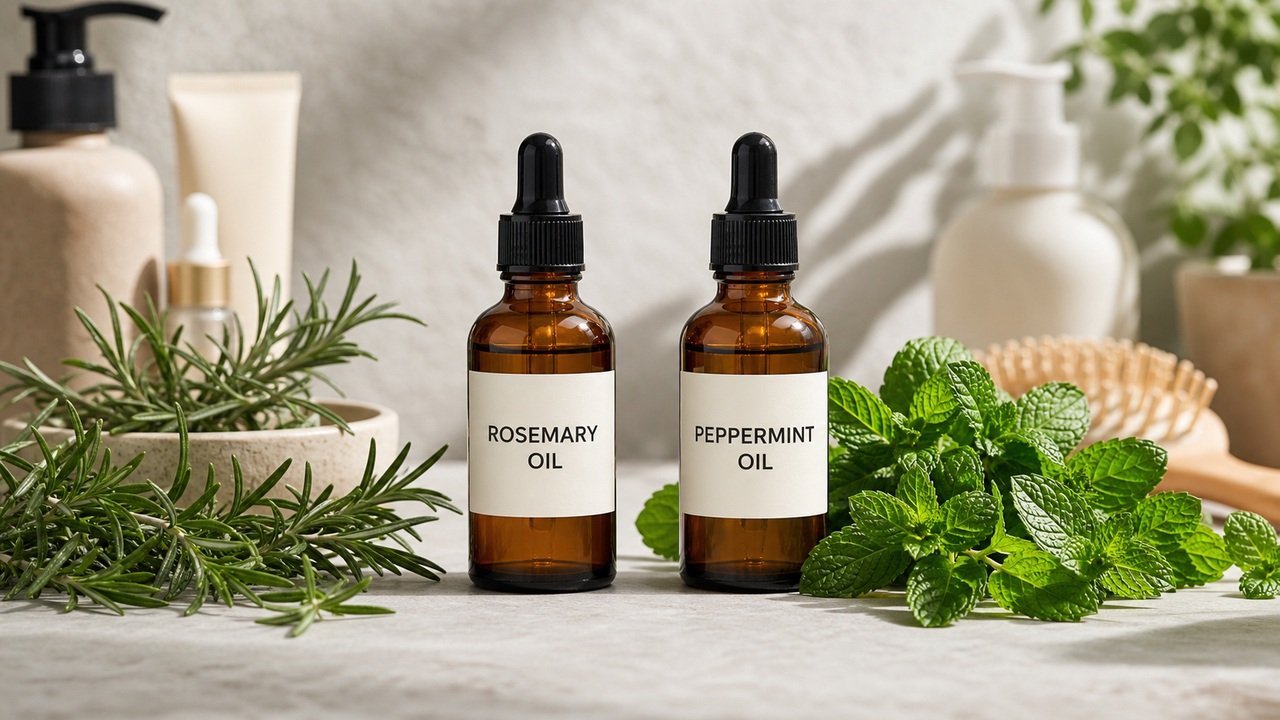
Rosemary oil and peppermint oil are both among the most widely used plant essential oil raw materials in the current global hair care market. However, the functions they undertake are not the same.
Rosemary Oil
Rosemary oil focuses more on scalp care, hair loss prevention, and overall scalp health management. It is rich in natural active ingredients such as 1,8-cineole and α-pinene, and is therefore often used as the core plant raw material in scalp care products.
Its greatest advantage lies in high market recognition, wide applications and strong consumer acceptance. Whether you are looking for solutions for oily or dry scalps, chemically damaged hair, or products for scalp care and hair loss prevention, rosemary oil has the right application. And its natural herbal aroma aligns with consumer trends for clean beauty, natural hair care, and plant care products.
In addition, our rosemary oil has good antioxidant stability. It can also help delay some plant oils’ oxidation and deterioration, which gives you a more stable finished product and longer shelf life in hair care oils, scalp care oils, and plant-based formulas.
If you want to create a long-term selling scalp care series, hair loss prevention series, organic hair care series or international product line, WJOIL rosemary oil is usually a more reliable and more market-potential choice.
Peppermint Oil
Peppermint oil can provide your consumers with a quick and refreshing sensation. Its main active ingredient, menthol, can bring a significant cooling effect and scalp cooling sensation within a short time. So it is widely used in oil-based shampoos for controlling oil, summer care products, sports care products, and scalp purification series.
However, it should be noted that its irritation is usually higher than that of rosemary essential oil. If the addition ratio is not properly controlled, it may cause stinging, itching or discomfort for some users with sensitive scalps.
Why Are More and More Brands Using Both Rosemary Oil and Peppermint Oil?
In fact, many popular hair care products currently use both rosemary oil and peppermint oil. Rosemary essential oil builds core selling points such as scalp care and hair loss prevention, while peppermint essential oil provides consumers with an immediate refreshing experience. This combination can simultaneously meet consumers’ dual needs for efficacy and usage experience, allowing it to be one of the most mature and widely used hair care compounding solutions in the international market.
If you want to balance efficiency promotion, usage experience and market competitiveness, a blend of rosemary and peppermint essential oils is generally more effective than a single essential oil product.

Active Components in Rosemary Oil
Rosemary oil is not only judged by purity alone. The different active components’ proportion often determines the final application direction and market positioning of the product.
1,8-Cineole
1,8-cineole is usually one of the most abundant active components in rosemary oil. In fact, the most popular hair care rosemary oil on the market nowadays mostly features a high content of 1,8- eucalyptol as its main characteristic. Due to the higher content of 1,8- eucalyptol, it can give your product a more obvious scalp cleansing sensation and refreshing experience. So that it is widely used in anti-hair loss shampoos, scalp essences, scalp care oils, and functional hair care product development.
Camphor
Camphor is another important functional component in rosemary oil, which can give the product a unique herbal aroma and a slight cool sensation. Compared to the high eucalyptol type rosemary essential oil, high camphor rosemary oil usually has stronger functional properties, and therefore are often used in body care, massage care, sports recovery, and the development of functional aromatherapy products.
α-Pinene
α-pinene is one of the important natural components that form the characteristic plant rosemary aroma. It can enhance the naturalness, herbalness and layering of the overall aroma, allowing your product to retain a more distinct plant feature and natural recognition. And some brands prefer to use low-pinene purified rosemary oil. Because these products have a softer and cleaner smell, they can reduce herbal irritation and improve consumer acceptance.
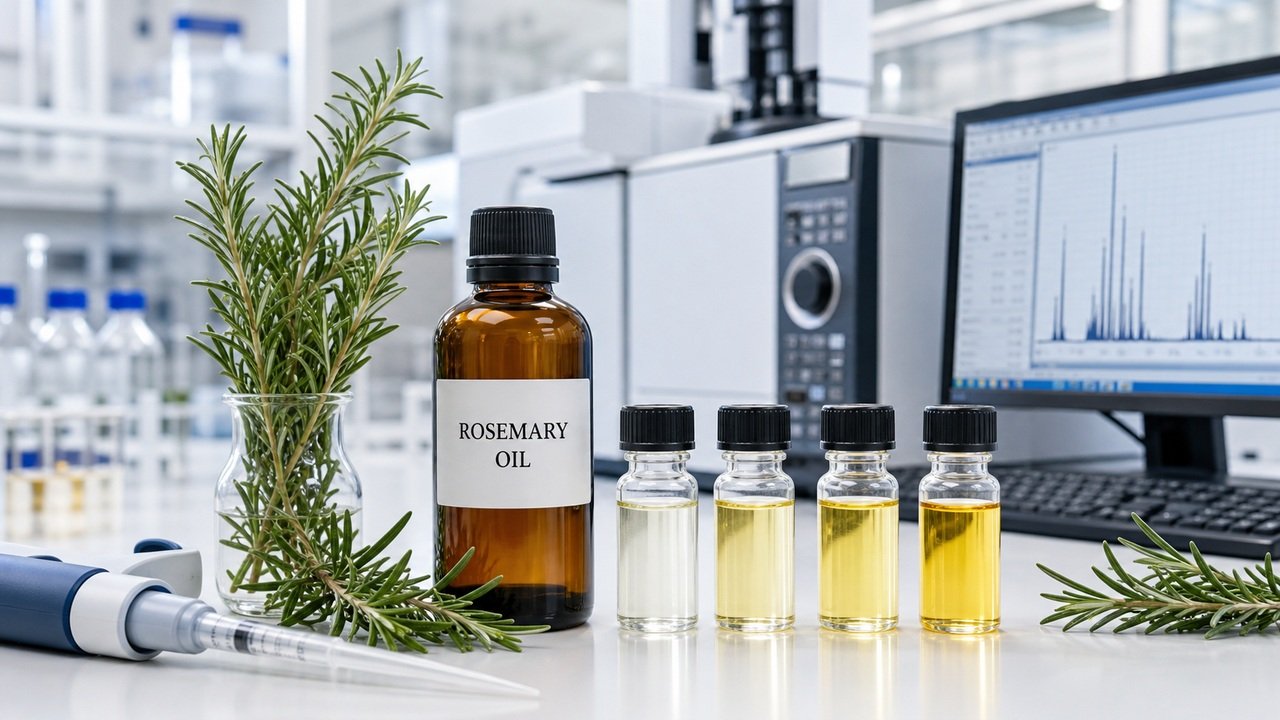
At the same time, α-terpinene is also one of the important reference indicators to judge the rosemary essential oils’ authenticity and purity. In professional purchasing processes, by detecting changes in α-terpinene content through GC-MS component analysis, it is possible to effectively determine whether the product is diluted, adulterated, oxidized or has fluctuations in raw material quality.
Borneol
The borneol content in rosemary oil is relatively low, but it has a significant impact on the overall aroma structure and product quality. It can enhance the roundness and harmony of the aroma, making your rosemary smells become softer and more natural.
Although borneol is not the main functional component, changes in its content often reflect the raw materials variety, the production area’ environmental conditions and distillation technology level.
Recommended Addition Ratio for Rosemary Oil
The recommended addition range varies depending on the product type.
The commonly referred-to addition range in the industry is as follows:
It should be noted that natural rosemary oils are not necessarily added in larger quantities for better results. Excessive concentration not only increases the raw material cost but may also affect product stability, aroma balance, and consumer comfort. Especially in sensitive skin care, children’s care, and the development of low-irritation formulas, it is recommended to reduce the addition ratio by approximately 20%-30% based on the regular addition ratio, and conduct stability tests, human patch tests, and safety evaluations simultaneously.
For most scalp care products, an addition of 0.3% – 1.0% rosemary oil typically strikes a good balance between efficacy, consumer experience and cost control and is also currently the most common range of application on the market.