
Your Reliable Organic Essential Oils Supplier
WJOIL organic essential oil raw materials are all sourced from long-term cooperative organic farms. During the cultivation process, there is no use with synthetic pesticides, herbicides, or chemical fertilizers, reducing the risks of pesticide and chemical residue at the source. This can provide you with the purest and most effective healing effects from nature.
We can also assist in matching corresponding certifications, inspection documents, and export materials for your target market. Those include USDA Organic, EU Organic, COA, MSDS, GC-MS and other relevant document support. We can enable your products to smoothly pass platform reviews, import compliance, and market access processes.
Whether you are developing organic skin care, organic aromatherapy, SPA products, or need long-term stable bulk raw material supply, we can support a one-stop solution from raw materials, formulas, compounding, packaging to OEM/ODM, based on your product direction and market demand.
Organic Essential Oil Product by Features
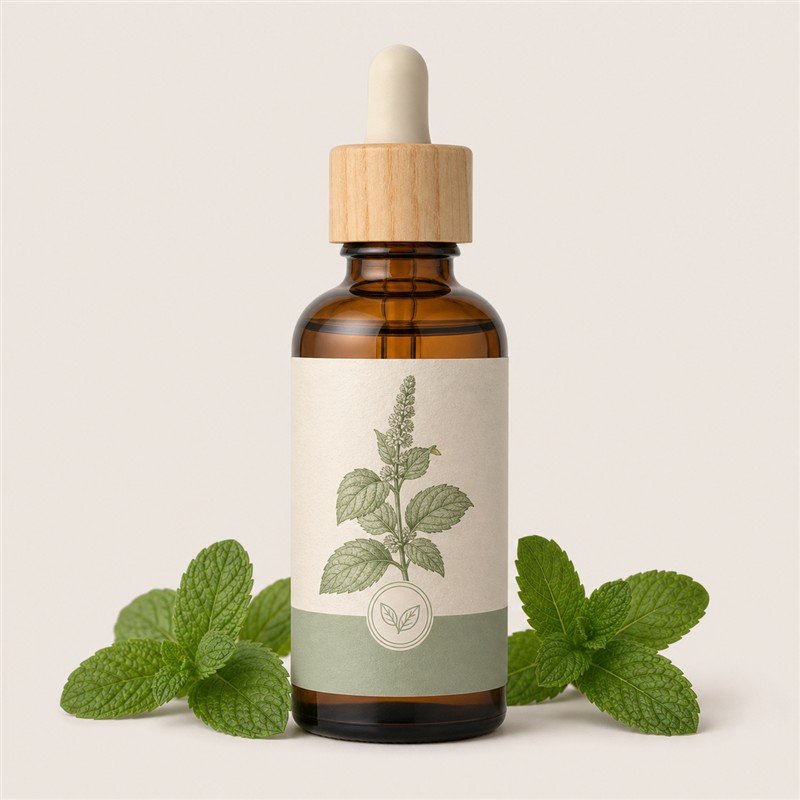
It offers a purer cooling sensation, penetrates naturally without any harshness, leaves no bitter aftertaste, and contains minimal impurities, resulting in lower overall irritation.
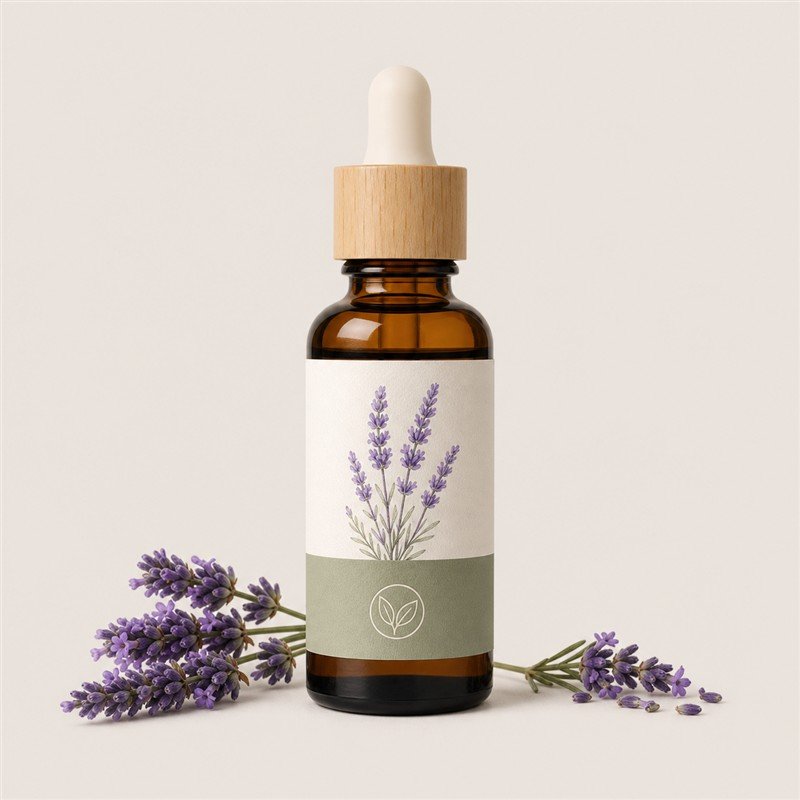
It is one of the most widely accepted organic essential oils in the current international market. It is less likely to have the common problems like “sharpness” or “overly strong medicinal sensation” .
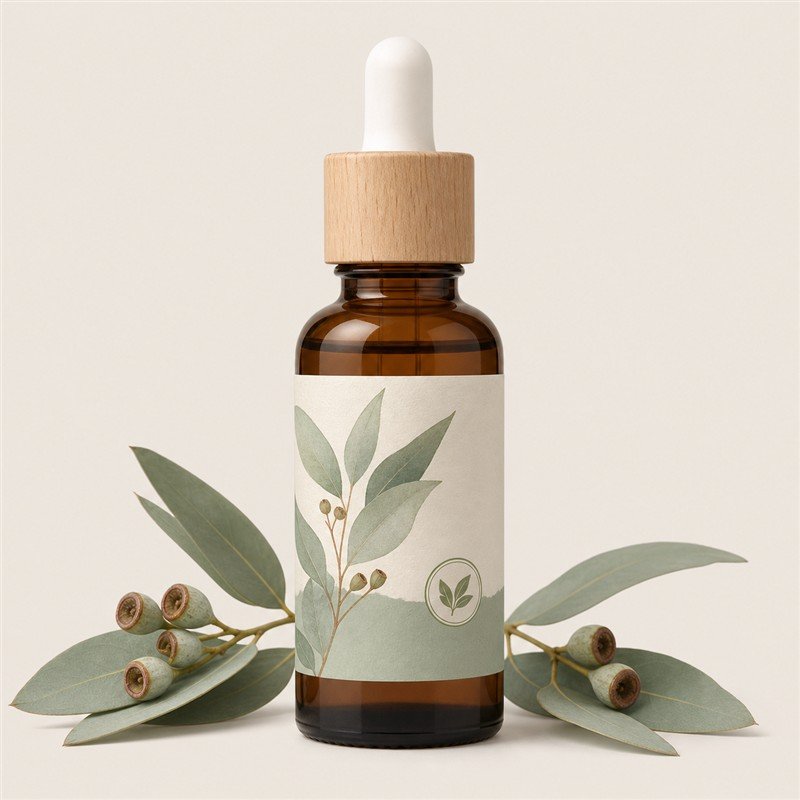
It has a purer and clearer herbal aroma, with a cleaner overall odor profile. This oil has lower irritation and can balance both functionality and long-term usage comfort.
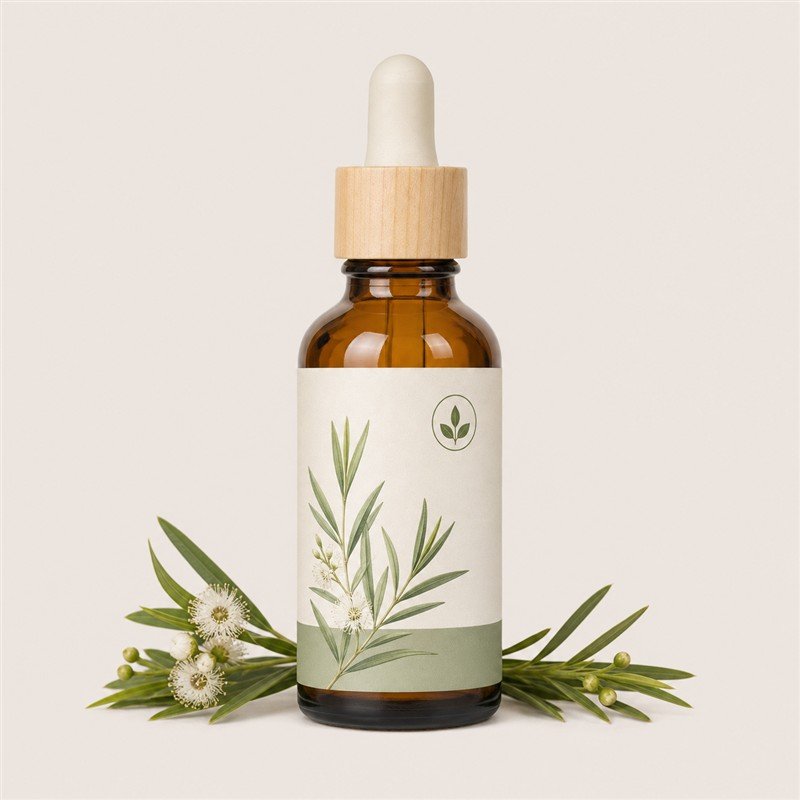
With a balanced concentration of active ingredients and long-lasting antibacterial efficacy, it is more suitable for a wide range of skin types.
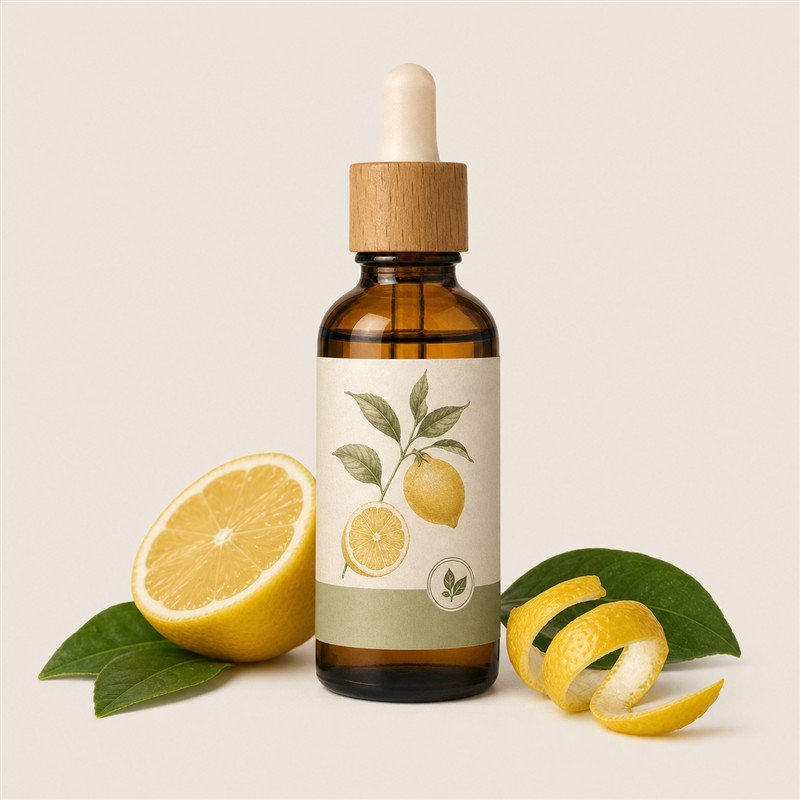
Made from 100% fresh lemons using a natural cold-pressing process, it exudes a fresh, crisp. Widely used in perfumes, summer limited-edition ranges, refreshing hair and body care products.
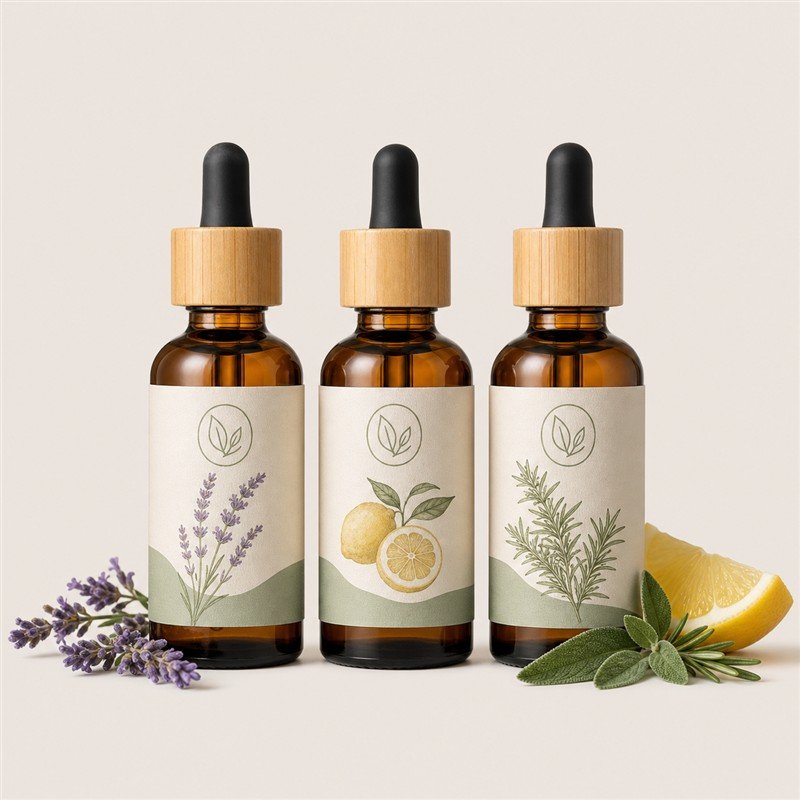
Free from artificial fragrances, mineral oils and synthetic diluents, the organic blended essential oils are managed to organic standards from raw materials through to the finished product.
Clean & Low-Risk Formulation
WJOIL organic essential oils are managed in accordance with organic standards throughout the entire process from raw material cultivation to final bottling. During the plant cultivation, no chemical pesticides, herbicides, growth regulators, or synthetic fertilizers are used. At the same time,there is no adding additional synthetic fragrances, mineral oils, industrial solvents, or artificial pigments during the extraction and blending stages.
Our organic essential oils show lower in the pesticide residues, heavy metals and potential harmful impurities, which are less irritating and have a milder skin sensation in practical applications. They are widely used in standard skincare and personal care products. And you can expand into high-standard product lines such as care for sensitive skin, repair for delicate skin, maternal and infant care and children’s personal care as well.
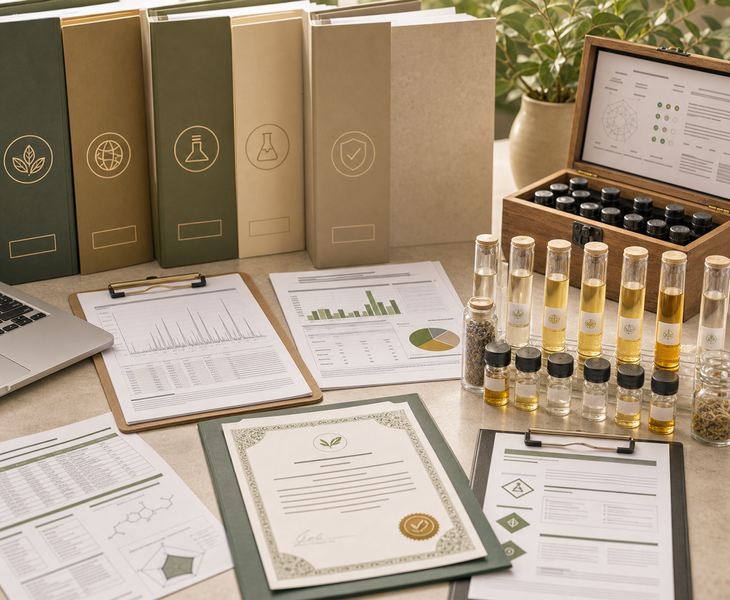
Certification & Regulatory Support
WJOIL provides stable organic essential oils and also offers complete certification and document support for your brand’s overseas expansion and product registration. According to your target market demands, we can support different certification systems such as USDA Organic, EU Organic, ISO, and GMP. And comprehensive technical documentation is also supported, including COA (Certificate of Analysis) reports, GC-MS full-spectrum analysis reports, MSDS (Material Safety Data Sheets) and third-party testing reports from SGS.
In addition, we can also give you specialized testing support, such as pesticide residue testing, heavy metal testing, microbial testing, and skin irritation assessment tests. This can enable you to more smoothly pass channel reviews, brand registration, and overseas market entry requirements.
Why Choose WJOIL as Your Partner for Organic Essential Oil?
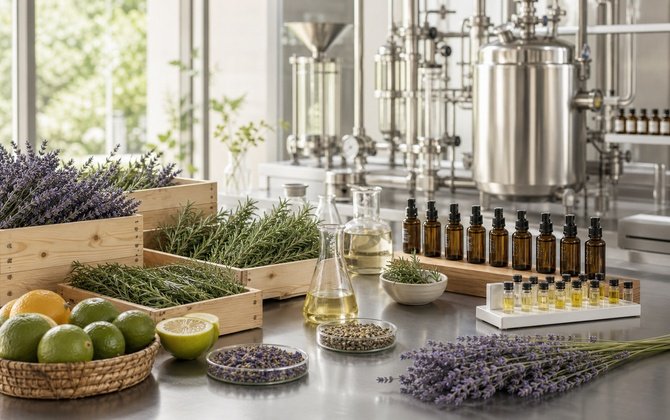
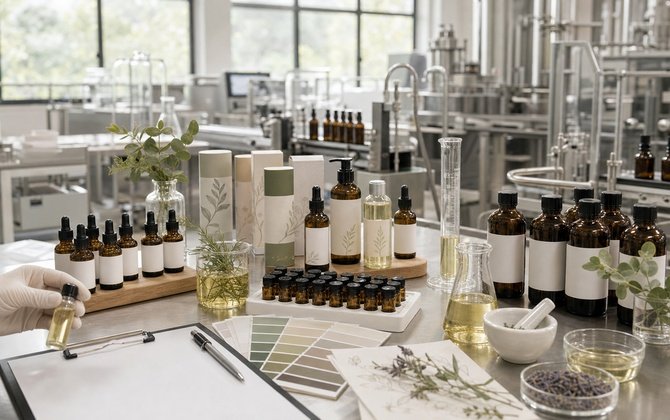
- Our organic essential oils are consistently supplied under fixed organic production areas and standardized production to ensure highly consistent results among different batches.
- We can provide supply solutions and delivery support to meet your requirements, including sample provision, small-batch procurement and long-term, reliable supply.
- WJOIL organic essential oils can meet different international standards and systems such as USDA Organic, EU Organic, ISO, GMP, and IFRA.
- We offer complete OEM, ODM support services and can provide formula proportion references, compounding ideas suggestions and basic label compliance guidance.
The organic essential oils’ cost not only comes from the raw materials themselves, and also from the long-term investment in the entire organic system including organic cultivation management, manual weeding, certification review fees, independent production line management, and continuous quality control systems.
At the same time, organic cultivation has a lower yield and requires stricter requirements for climate and production area management, resulting in higher unit raw material costs. In addition, their supply chain needs to meet traceability and compliance requirements, so the price is usually higher than that of conventional essential oils.
The shelf life varies depending on the type of organic essential oil.
Generally speaking, citrus organic essential oils are easily oxidized due to their active natural components. It is recommended for you to use them within 6-12 months to maintain the best fragrance. While woody, herbal, and other organic essential oils can usually be stable for about 2-3 years when stored in a dark place, sealed and at a low temperature.
We adopt an independent management mechanism for the organic-specific production line in the production system. From distillation equipment, storage containers to filling systems, they are all physically isolated from conventional products to avoid any cross-contact risk.
After each batch of organic production is completed, we will conduct systematic cleaning verification and conduct pesticide residue tests on the rinsing samples to ensure the results are below the detection limit standard. At the same time, we can provide a complete verification report on the cleanliness of the organic production line to support your document requirements in brand audits, channel reviews, and international market compliance.
What are Organic Essential Oils?
Organic essential oils are produced from organically certified aromatic plants, with the entire production process carried out and managed in accordance with organic standards. From cultivation and harvesting to extraction and bottling, we do not adopt chemical pesticides, fertilizers, or herbicides throughout the process and processed using pure physical methods.
Compared to ordinary essential oils, organic essential oils are more stringent in controlling pesticide residues, heavy metal content, harmful impurities and skin irritation. This makes them the preferred raw material choice for you to develop high-end skincare, wellness and health care, maternal and infant care, children’s grooming, organic fragrances, and cross-border high-standard product lines.
Production Process of Organic Essential Oils
Organic Farming
The organic essential oils’ quality is primarily determined by the raw material cultivation system. All our plant raw materials come from certified organic farming bases. The land usually undergoes a long-term organic transformation to avoid historical chemical residue. And during the planting process, no chemical pesticides, fertilizers, herbicides, or genetically modified raw materials are used. Instead, it adopts methods such as crop rotation, natural composting, and biological pest control to maintain the plants’ natural growth environment.
At the same time, to provide you with stable active ingredients, we will fix the raw material production area and harvest period. The plants are harvested at the stage with the highest active ingredients’ content to lower batch-to-batch variations in the later stages.

Raw Material Processing
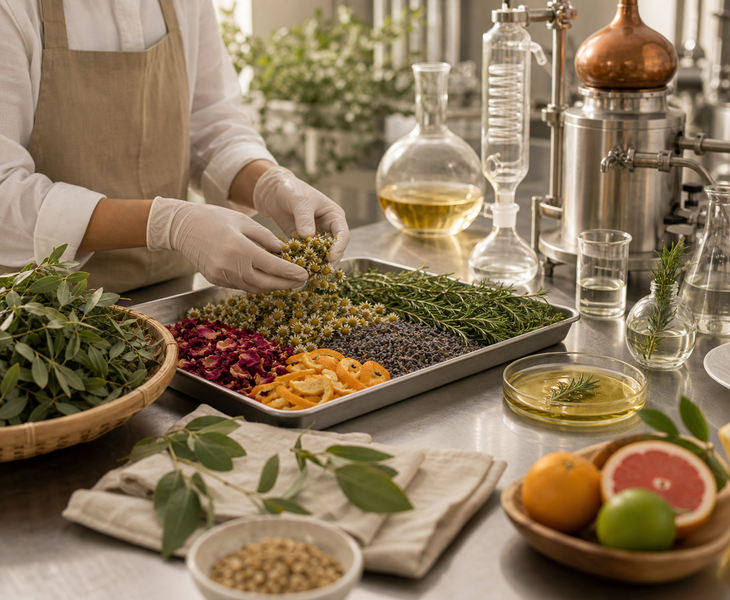
After the plants are harvested, they are first subjected to low-temperature drying to reduce the natural active substances loss. And then, they will undergo manual screening and mechanical sorting to remove impurities, moldy raw materials, and non-target plant parts, which improves the raw materials purity.
Physical Extraction
Organic standards strictly prohibit using chemical solvents for extraction, and we adopt a pure physical process.
Steam distillation is the most widely used organic essential oils process at present, which can release the natural aromatic molecules and active ingredients from plants at lower temperatures. It can avoid the damage to heat-sensitive substances caused by high temperatures. Some citrus essential oils will use the cold pressing process to more completely retain the natural fruit aroma and active structure.
Purification
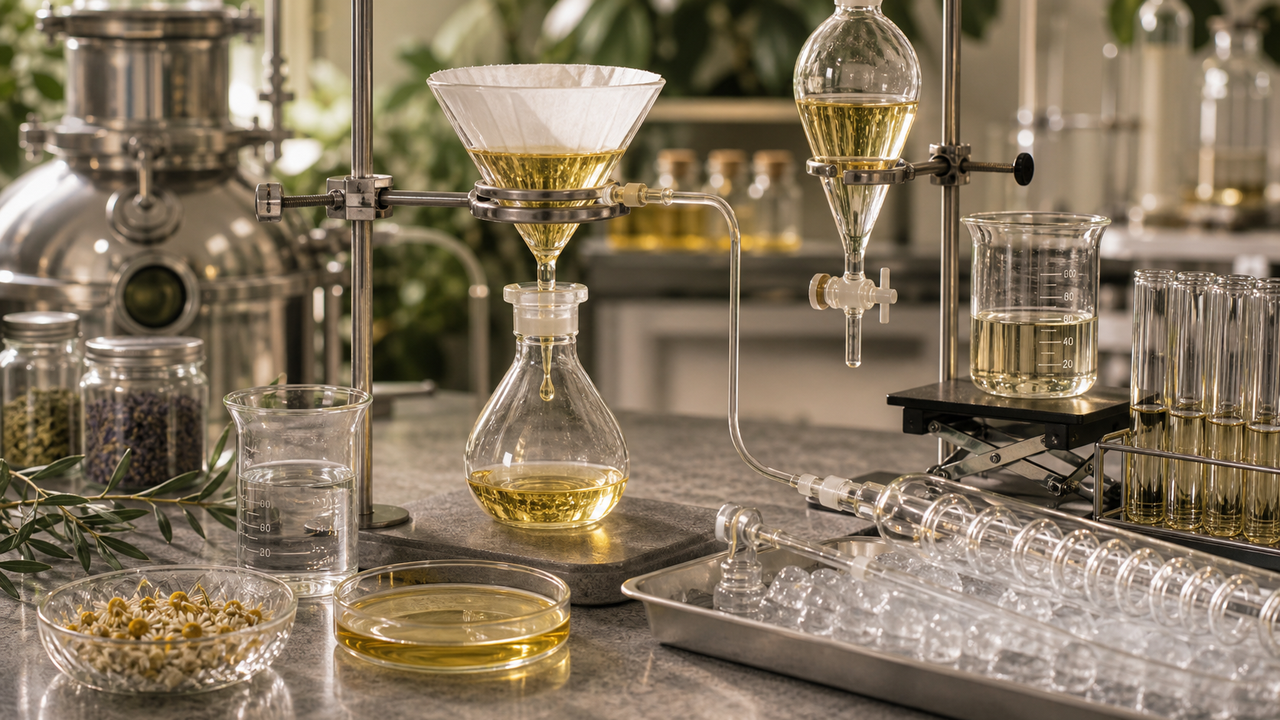
The essential oils obtained from the initial extraction usually still contain a small amount of water, plant waxes, and unstable components. So it needs further processing such as filtration, standing, and low-temperature purification.
The entire process usually adopts low-temperature treatment to reduce the heat-sensitive active components’ loss. If you require highly active organic essential oils, we will take secondary distillation to optimize the core components proportion, making your products’ aroma, skin feel, and functional performance more stable.
Testing
In addition to routine physical and chemical index tests, our organic essential oils also focus on adding tests for pesticide residues, heavy metals, residual solvents, and microorganisms. At the same time, each batch of raw materials undergoes GC-MS component analysis to confirm the proportion of core active ingredients and batch stability.
Precautions for Organic Essential Oils Production
Precautions for Organic Essential Oils Storage
Packaging
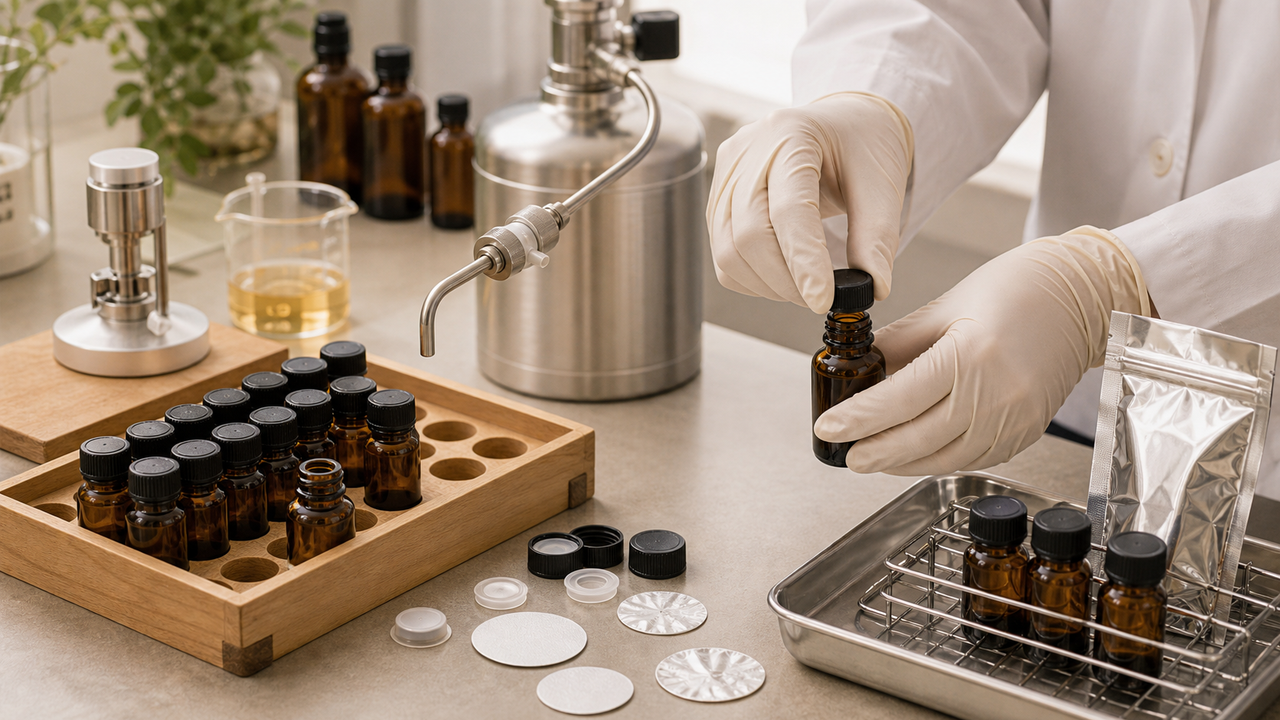
It is recommended to use dark and sealed containers for storage, such as amber glass bottles and light-proof aluminum drums. This can prevent light from affecting the natural aromatic compounds and active ingredients. If stored in transparent packaging and exposed to light for prolonged periods, your organic essential oils are prone to oxidation, loss of fragrance and discolouration.
Low Temperature
It is recommended to store in a cool, dry place at a temperature range from 10 to 25°C. This can minimize the impact from temperature fluctuations on the natural aromatic molecules to maintain the fragrance and the activity stable.
How to Identify High-Quality Organic Essential Oils?
Appearance
High-quality organic essential oils usually present a naturally clear and transparent state for you without obvious turbidity, suspended matter, sedimentation or stratification. Different plants have their own normal natural colors. For example, citrus organic essential oils are usually clear and light yellow, while herbal ones are mostly light yellow to pale green. If the oil shows obvious blackening, dullness, or a lot of impurities, it often indicates problems with the raw material quality, storage or purification process.
Aroma Identification
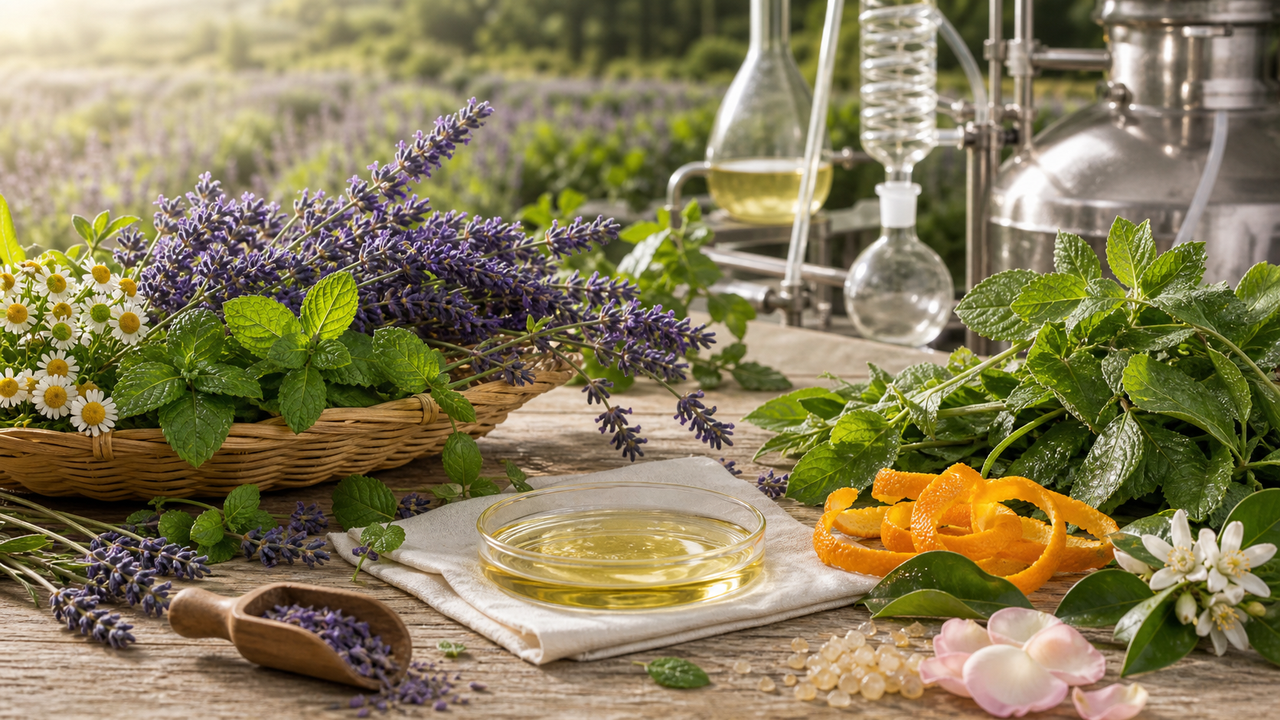
High-quality organic essential oils should have an aroma that is close to the plant’s natural state, with rich layers and natural diffusion. They will not have any pungent, chemical-like or single fragrance taste.
Stability Test
It is suggested to serve as a preliminary stability assessment for 7-15-day in room temperature, light-proof and static storage. High-quality organic essential oils should maintain their oil state and aroma stability. If there is rapid color change, odor, or the presence of impurities, it means that the raw material purification or control did not meet the standards.
Data Verification
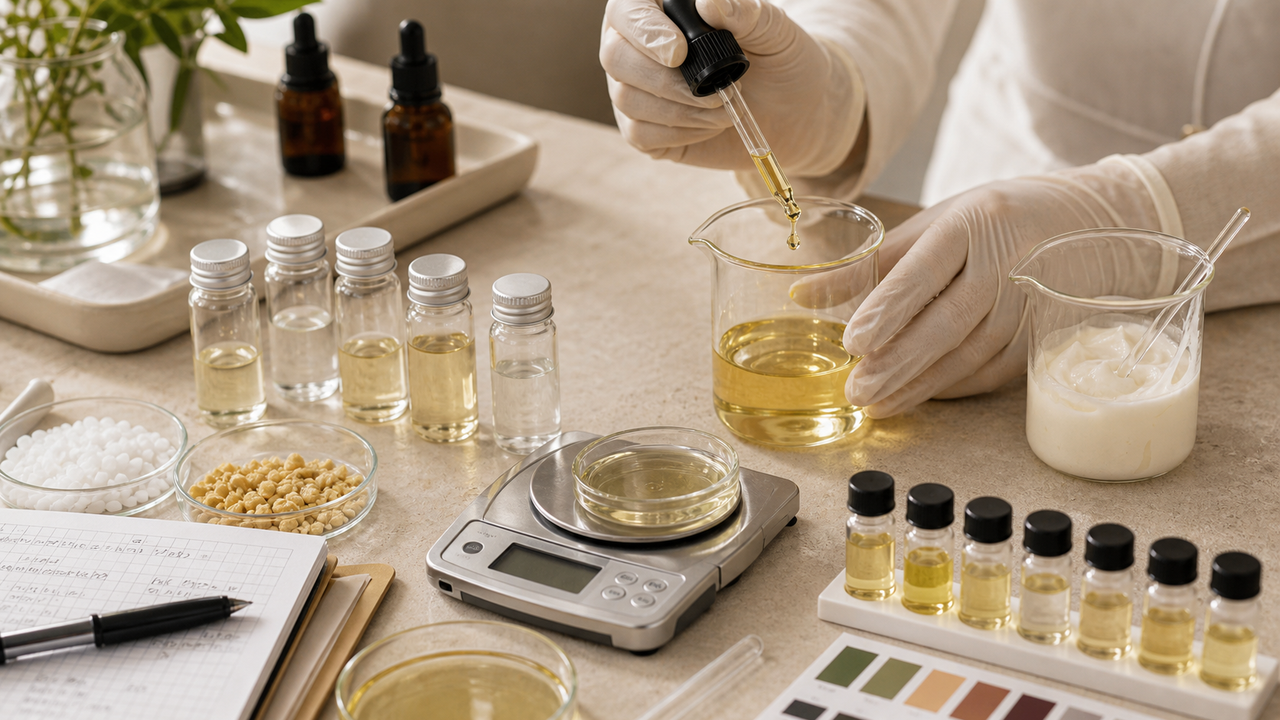
For formal procurement, sensory judgment can only serve as a basic reference. The actual quality determination for the raw materials is still based on the test data.
It is recommended for you to focus on verifying the GC-MS component analysis, pesticide residue testing, heavy metal testing, and microbial reports to confirm whether the content, purity, and organic indicators of the core active ingredients meet the project requirements.
At the same time, if the product needs to enter high-standard markets such as Europe, the United States, the Middle East, and Japan, you should further confirm the relevant documents such as USDA Organic, EU Organic, IFRA, MSDS, and COA.