Essential oils are key raw materials for many products. Compared with synthetic fragrances, essential oils are natural, safe, and have a wide range of uses, which can meet the living needs of consumers in various places. This article will help you understand the industry applications, usage methods, and common problems of essential oils.
What Are Essential Oils?
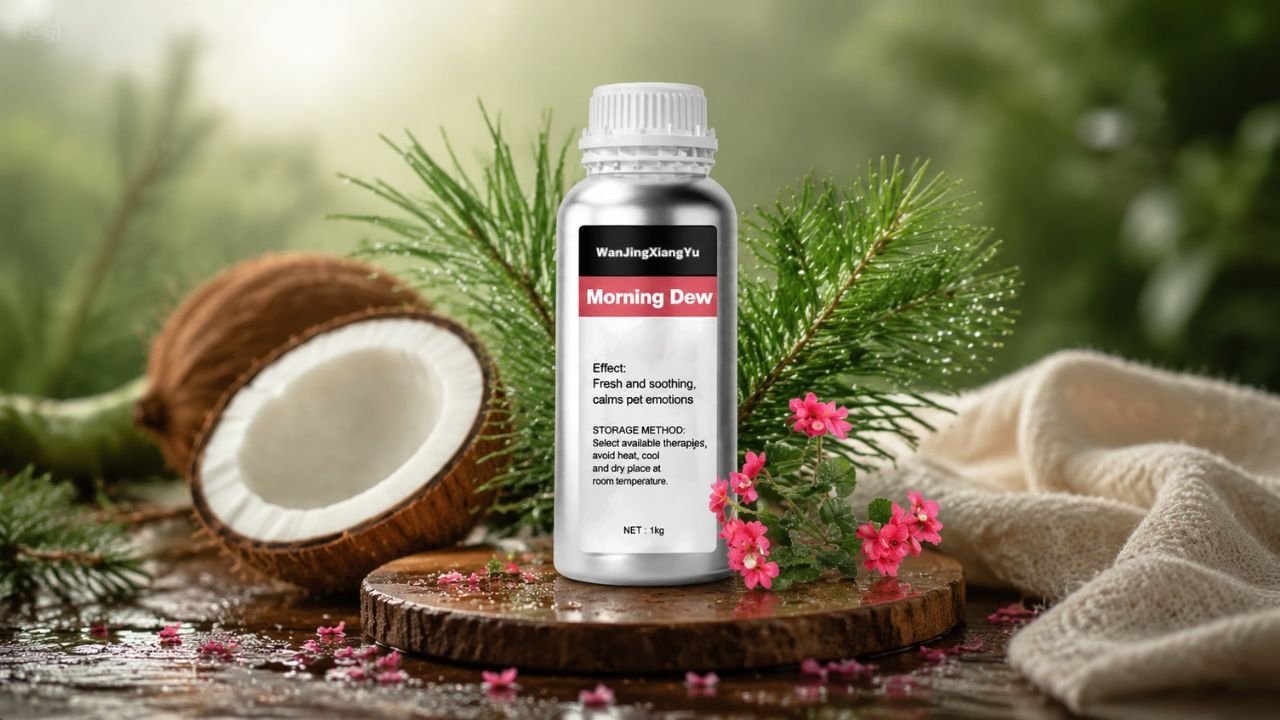
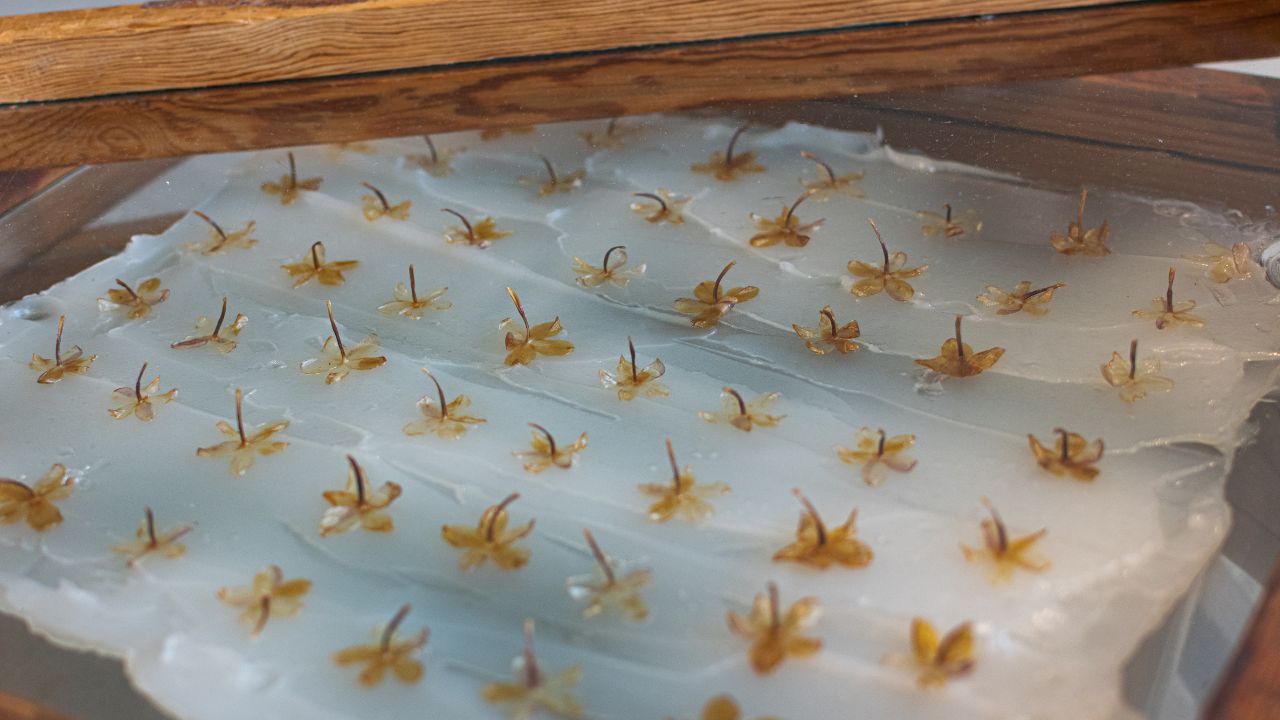
Essential oils come from the flowers, leaves, roots, peels, and other parts of natural plants. High-concentration volatile aromatic original liquids are extracted through processes such as distillation and cold pressing. It is a raw material used in industrial production. It has functional and aromatic value.
How to Use Essential Oils in Product Formulation
If you are going to carry out large-scale production, you need to keep three pieces of advice in mind: compliance with prescribed ratios, safe formulas, and stable products.
Essential Oil Ratios
The concentration of essential oils in facial skin care products should be controlled within 1%. If you are making products for sensitive skin or infants, it is recommended that the concentration be reduced to 0.5% or lower. The essential oil concentration of body care products can be between 1.5% and 2%, in compliance with IFRA (International Fragrance Association) standards.
The concentration of washing and rinsing products is between 1% and 3%. Rinsing products have a shorter contact time with the skin and usually can be added with a higher content of fragrance. However, it is still necessary to comply with the corresponding limit standards of each category set by the IFRA. We will customize compound essential oils based on your product positioning, diffusion effect, and lingering fragrance duration.
Carrier Ingredients
Pure essential oils have a high concentration. If you use it directly in the formula, it is very likely to cause skin irritation. When mass-producing, it should be mixed with dedicated base oil:
- Oil base: Blend with mild base oils ( jojoba oil, sweet almond oil, or grape seed oil). You can use it in skin care products and massage oils to dilute pure essential oils.
- Emulsifier: It is suitable for water-oil mixed formulas, such as water-based lotions and face creams. It can help you solve the problems of essential oils being insoluble in water and product stratification.
- Alcohol base: You can use it in aromatherapy and spray products. It can release the aroma of essential oils more quickly and evenly.
Mixing and Stability Considerations
You may encounter problems such as aroma evaporation and quality decline during the production process. These problems may be due to the following reasons:
- High-temperature decomposition: Most essential oils are not heat-resistant. High temperatures can destroy the effective components of essential oils. If you are going to produce high-temperature paste-like products, you must wait until the raw materials have cooled down before adding essential oils.
- Oxidation and deterioration: Essential oils are relatively sensitive to light. Long-term exposure to the outside may lead to oxidation, discoloration, and the development of unpleasant odors. During the production process, you carry out appropriate sealing and light-avoidance treatment, while strictly controlling the quality of each batch of raw materials.
- Shelf life: It is important to note that the higher the proportion of essential oil added, the more difficult it is to control the shelf life of the product. We will provide corresponding anti-corrosion and storage standards based on your actual addition amount.
Safety and Compliance Guidelines
All of our commercial formulas strictly comply with globally applicable compliance standards: the IFRA standards and the EU Cosmetics regulations. We will make a detailed classification of the allergenic components in essential oils and stipulate the maximum addition amount for each component. Based on your product category, we will screen the formula ingredients for you in advance and label them in accordance with standardization.
Common Mistakes in Industrial Use

- Over-concentration: Many people mistakenly believe that the more essential oils are added, the better the effect will be. In fact, the situation is exactly the opposite. Excessive concentration can easily cause allergic reactions and cross the regulatory line. This ultimately led to your product being unable to be put on the shelves for sale.
- Ignoring compliance limits: Many beginners may apply the same set of ratios to all products, but the IFRA sets completely different limits for different categories. Your incorrect use of proportions is very likely to trigger compliance risks.
- Unstable formulation: If you do not take into account issues such as high-temperature decomposition, oxidation, and incompatibility between the oil and water of essential oils, mass-produced products may experience stratification, changes in flavor, and color.
- Mismatched scent profiles: You only know a single essential oil, but do not know how to blend compound fragrances. This leads to the final tone not matching the product. If the types of fragrances are chaotic, consumers’ acceptance will also be low.
Key Industries Using Essential Oils
Essential oils can be applied in various fields, but currently, the four major industries have the most stable large-scale production and the highest repurchase rate.
Skincare and Cosmetics
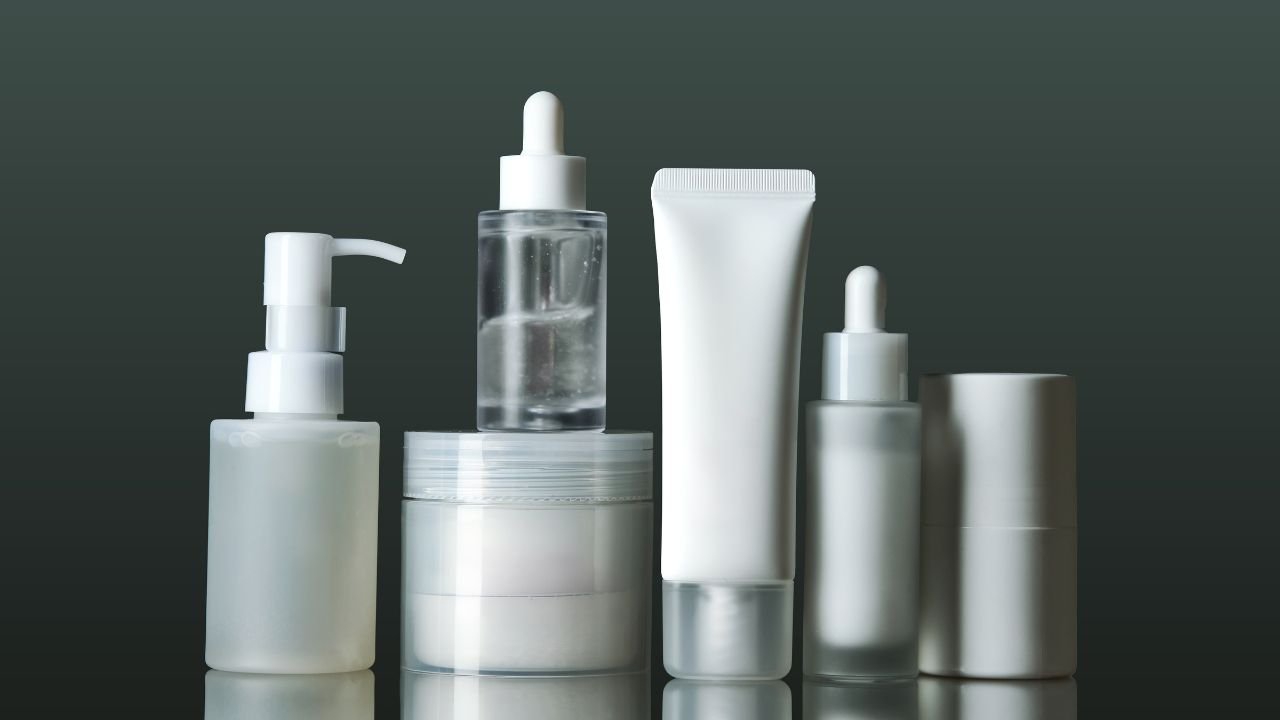
You can apply it to skin care products such as face cream, essence, body lotion, toner, and mask. This type of product has very strict requirements for the purity, allergenicity, and addition ratio of essential oils. You cannot add them randomly.
In addition to simple fragrance blending, you can also use essential oils for product positioning:
- Tea tree essential oil has the effects of controlling oil and removing acne.
- Lavender essential oil has soothing and repairing effects.
- Chamomile essential oil is suitable for soothing sensitive skin.
Soap and Body Care Manufacturing
At present, the products with the largest consumption of essential oils are rinse-off products such as industrial soaps, handmade soaps, body washes, and body lotions. The main function of essential oils in this type of product is to set the fragrance and enhance the product’s style. It can replace cheap synthetic flavorings.
This type of formula has a high tolerance for errors and is easy to mass-produce. It is suitable for small and medium-sized brands and beginners in cross-border e-commerce. You can customize the fragrance type according to the season and market preferences. For instance, in summer, a refreshing mint scent can be created, while in winter, a warm woody note can be developed.
Aromatherapy Products
Essential oils are the raw materials for functional products such as aromatherapy essential oils, SPA massage oils, and compound aromatherapy oils. The main functions of these products are home health care and stress relief.
The demand for natural aromatherapy products in overseas markets continues to grow. As long as your formula is stable, has a high-end aroma, and is compliant, both the word-of-mouth and repurchase rate will be very considerable.
Home Care Products
You can use essential oils in household products, such as disinfectant sprays, desktop cleaners, air fresheners, and fabric deodorants. Traditional chemical cleaners have a pungent smell and offer a poor user experience. In contrast, essential oils from tea trees, eucalyptus, and citrus not only bring natural fragrances to products but also have antibacterial and deodorizing effects.
Popular Essential Oils for Product Development
Lavender Essential Oil
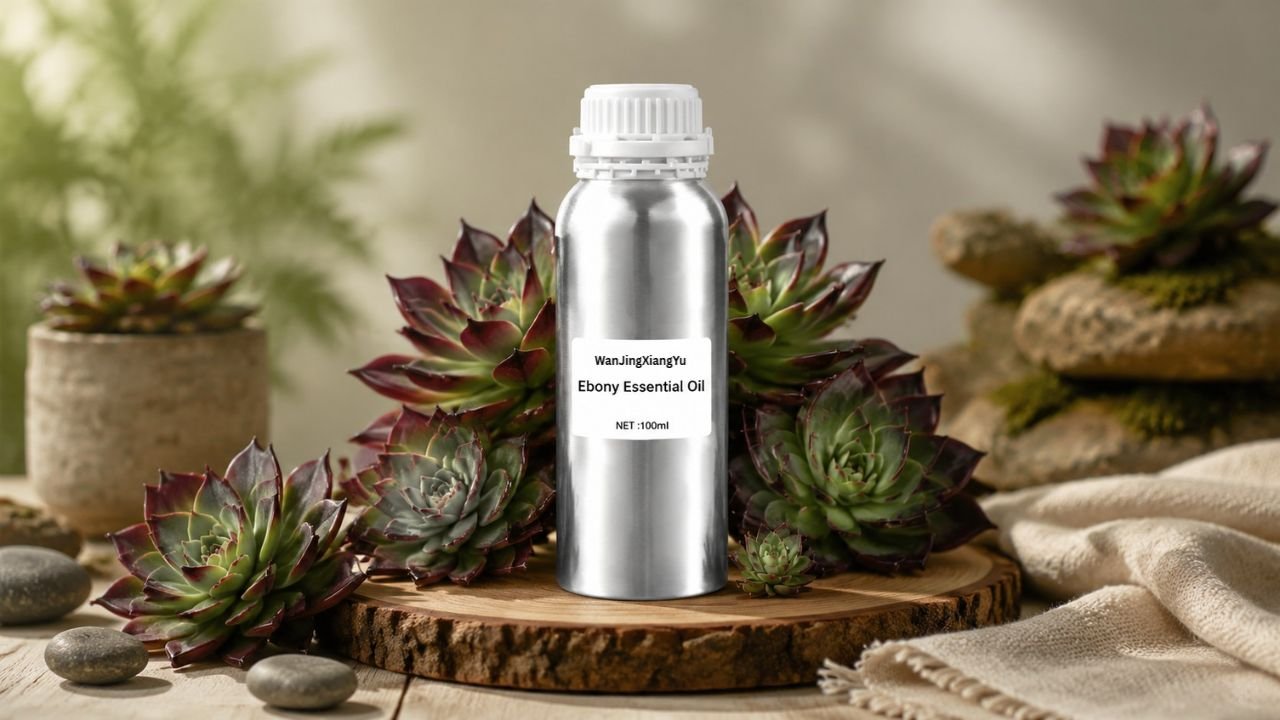
Its main functions are soothing and repairing, supporting relaxation and sleep-related product positioning. You can use it as a repair skin care product, a sleep-inducing aromatherapy, and a cleansing and care product for sensitive skin. It has high market acceptance and strong commercial adaptability.
Tea Tree Essential Oil
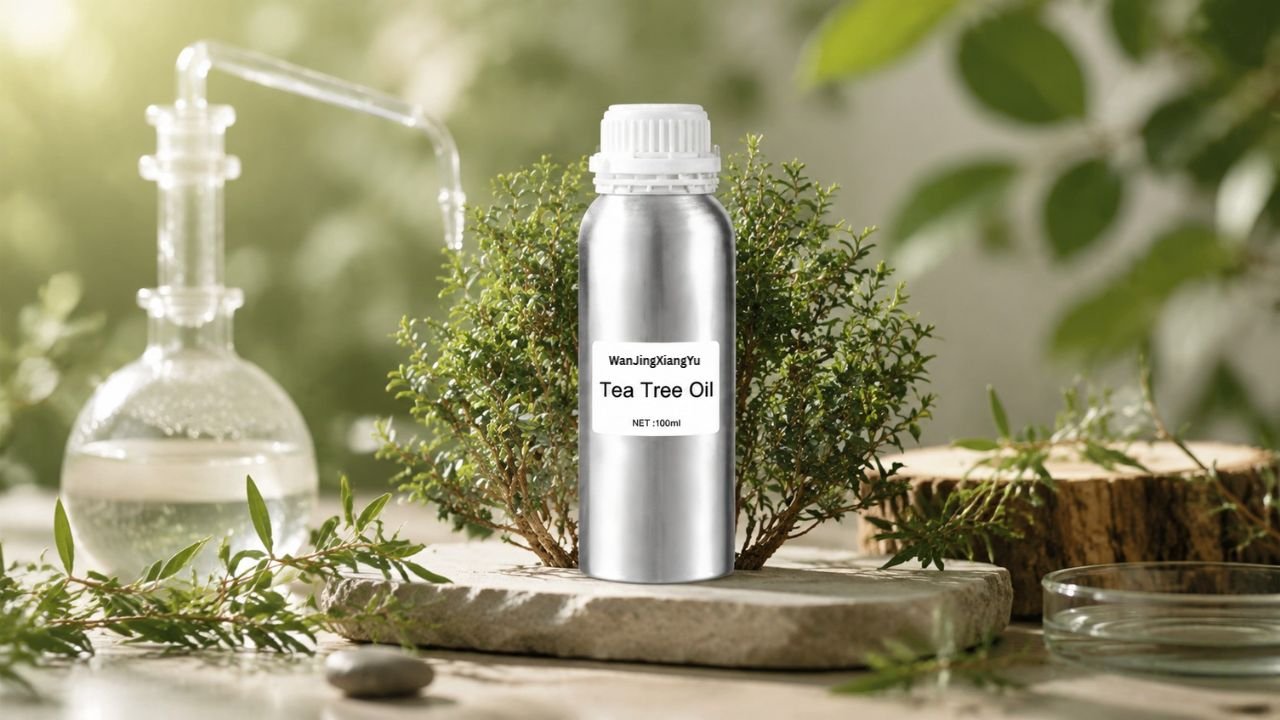
You can use it as an ingredient for acne removal, skin care, cleaning and washing, and household disinfection. Its advantages lie in its functions of cleaning and oil control, inhibiting bacteria, and anti-inflammation.
Peppermint Essential Oil
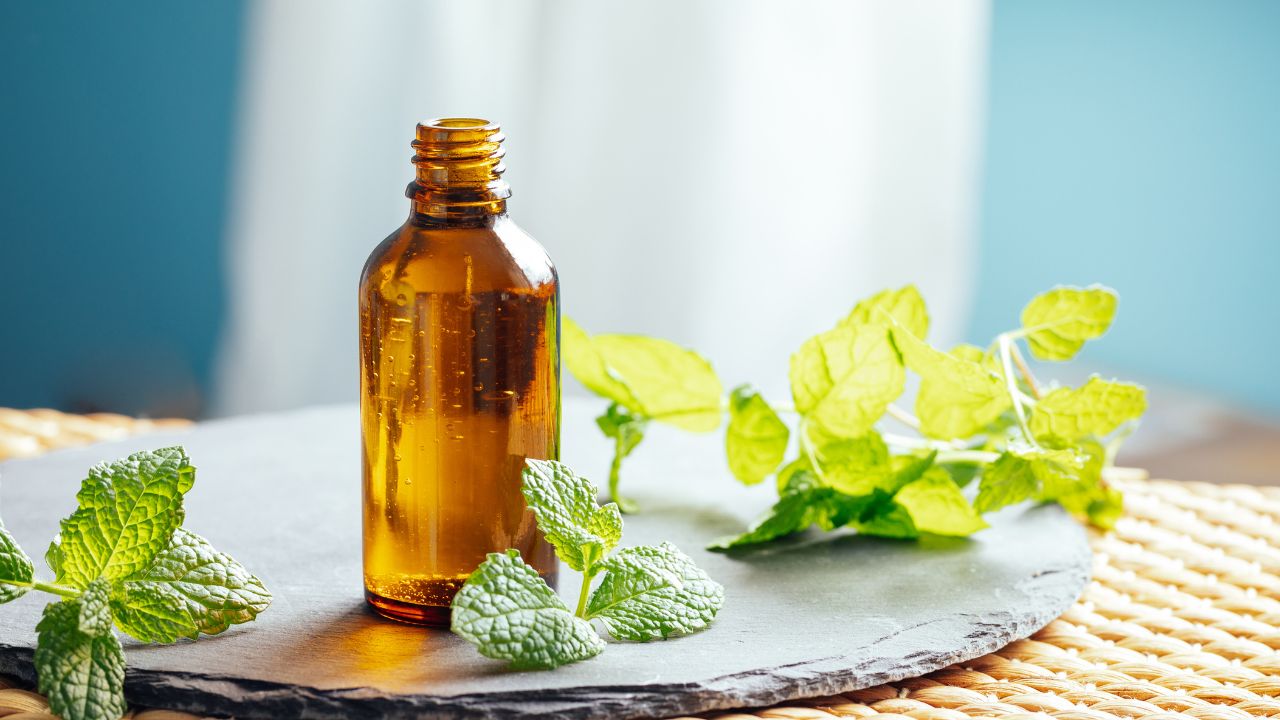
It focuses on refreshing and invigorating, as well as removing excess oil, which can provide a cooling sensory effect in formulation applications. It is suitable for use in summer hair care, invigorating aromatherapy, and foot care products.
Eucalyptus Essential Oil
You can use it in household deodorizing sprays and health aromatherapy products. It can soothe breathing, purify odors, and has health benefits.
Essential Oils Quick Comparison Table
| Essential Oil | Key Functions | Typical Product Applications | Product Positioning |
| Lavender Essential Oil | Soothing, calming, sleep support, skin repair | Skin care products, sleep aromatherapy, sensitive skin care formulations | High consumer acceptance, entry-level product lines |
| Tea Tree Essential Oil | Antibacterial, oil control, anti-inflammatory, cleansing | Acne care products, cleansing formulas, household disinfectants | high recognition in the skin care market |
| Peppermint Essential Oil | Cooling, refreshing, oil control, energizing effect | Summer skincare, scalp or hair care, foot care, energizing aromatherapy | “refreshing” product positioning |
| Eucalyptus Essential Oil | Air purification, respiratory support, deodorizing | Home air sprays, wellness aromatherapy, odor removal products | Home care category |
FAQ

What Is the Shelf Life of Your Essential Oil?
Our essential oils have a shelf life of 2 to 3 years under standard storage conditions. When you produce in large quantities, please store it in a sealed, light-proof, dry, and low-temperature environment. We will provide you with targeted storage guidelines based on your order volume and the proportion of your product formula.
Can Essential Oil Formulas Be Customized for Vegan and Organic Product Lines?
We can customize essential oil formulations for vegan, organic, and clean beauty product lines. All customized formulas have eliminated artificial synthetic additives and use plant-based carriers, meeting all the specification requirements of the formula. All formulations are compliant with major international organic certification standards.
What Is the Minimum Order Quantity for Commercial Essential Oil Procurement and Formula Customization?
We support flexible order quantities for different customer groups.
For small and medium-sized sellers, we have low minimum order quantity thresholds for essential oil raw materials.
For the customization and formula optimization services of exclusive compound essential oils, we will adopt flexible cooperation plans based on the batch size of your products.
Can Customized Essential Oils Change the Color of Skin Care and Home Care Products?
We will pre-judge and optimize the formula according to your product attributes. For light-colored, transparent skin care lotions, essences, and cleansing sprays, we choose low-color, non-fading essential oil combinations along with matching base oils.
Could You Help Me Optimize the Essential Oil Formula for Sensitive People?
We provide professional allergen screening and formula optimization services. We can reduce or replace high-allergen essential oil ingredients according to the sensitive group market positioning of your products. The content of allergenic components will be strictly controlled. This helps you launch mild and safe products suitable for sensitive skin groups.
Can After-Sales Technical Support Be Provided for Essential Oil Formula Problems in Production?
We provide full-cycle technical after-sales service. After you purchase raw materials or customize formulas, our professional formula team can remotely guide you to master the production operation standards. We can also solve common mass production problems for you.
Final Thoughts
You can create differentiated products with natural essential oils, but you must control the addition ratio, the stability of the formula, and industry compliance well. If you need to purchase bulk essential oil raw materials or customize compound essential oils, please feel free to contact us anytime. We can provide a complete and compliant solution.