With the continued growth in the need for sleep-promoting aromatherapy products, you may have trouble with the selection of the best essential oils for sleep. This article will give you a detailed introduction to the benefits and types of the best sleep essential oils to help you do a right choice.
Benefits of Essential Oils for Sleep
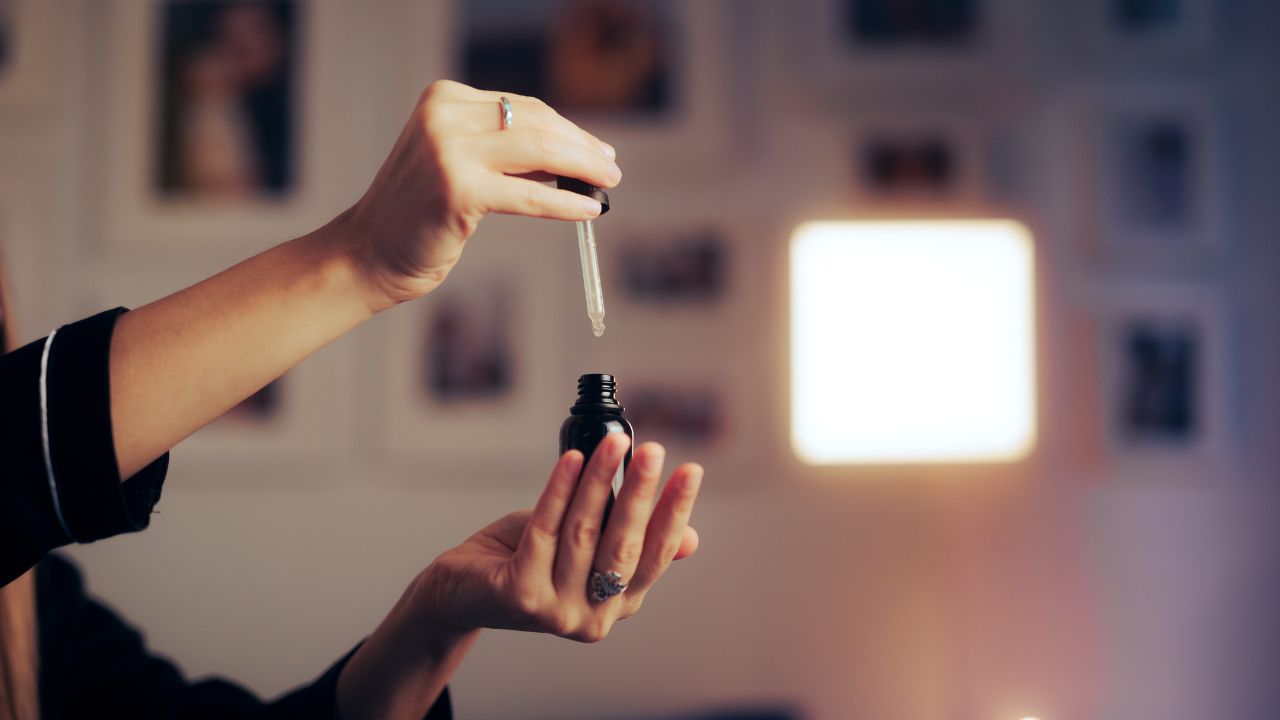
Before formally introducing their benefits for you, I want you to know the basic principle of sleep essential oils first, in other words, why they have benefits on the human body.
When you open a bottle of lavender essential oil, the aromatic molecules diffuse into the air, and these volatile compounds will directly contact the olfactory receptors at the top of the nasal cavity. These receptors transmit signals to the brain’s limbic system, controlling our emotions and stress response. They transform the autonomic nervous system alert model into a relaxation model to help sleep.
Promote Relaxation
Aromatic molecules in Essential oils for sleep can lower heart rate and blood pressure, while reducing cortisol. When the cortisol degrades, you will feel relaxed eventually. These types of essential oils are especially suitable for a 30-60 minute relaxation ritual before going to bed to help your body have a soft landing.
Relieve Stress
Many sleep essential oils, just like bergamot, help your body calm an overreaction to stress though adjust the release of neurotransmitters. While the frankincense essential oil is considered a helper in decreasing glucocorticoid levels, it makes you calm down.
Enhance Bedtime Experience
If you use the same sleep essential oil every night, it can help the brain build a conditioned response to a familiar scent, adding preparation for sleep. Also, using oils becomes part of a ritual instead of only a functional item, which brings differentiation for your brand.
Improve Sleep Quality
A meta-analysis in 2025 shows that lavender aromatherapy consistently improved participants’ Pittsburgh Sleep Quality Index (PSQI). Compared with the control group, their sleep quality has improved a lot.
Similarly, cedrol in cedarwood essential oils for sleep, discovered by research, is able to increase total sleep time and reduce the time of awakening in the early morning.
Now, we already have many studies to support the validity of sleep essential oils. But notice that much research has limitations on sample size and Long-term effect tracking. Sleep aid effects show differences due to individual differences, concentration, or application method.
Types of Best Essential Oils for Sleep
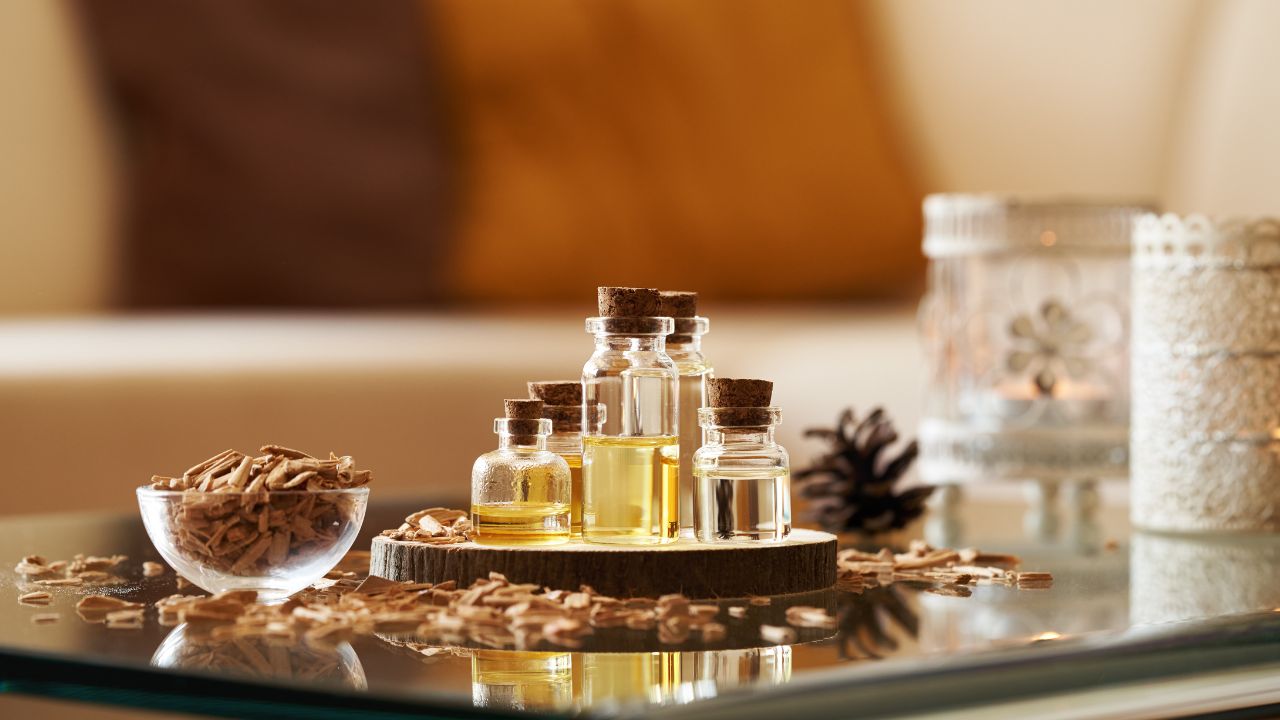
The following are the commonly used sleep essential oils in the market, and each has its own emphasis. By the way, WJOIL provides OEM/ODM supply services for the following essential oils and related compound products.
Lavender Essential Oil for Sleep
Lavender essential oil is the most well-studied essential oil for sleep. It has a high concentration of linalool and linalyl acetate, and both of them are proven to be usable as an anxiolytic and sedative.
If you smell lavender, you will feel that this familiar smell is soft. For end-customers who try aromatherapy for the first time and or have mild sleep difficulties, lavender essential oil is a good choice.
There are some common blends of lavender.
| Common Blends of Lavender | |
| Blend | Key Benefits |
| Lavender + Bergamot | Balanced relaxation — soothes the mind while gently lifting mood |
| Lavender + Cedarwood | Warm woody scent, promotes deep and sustained sleep |
| Orange | Gentle mood enhancement, suitable for mild anxiety |
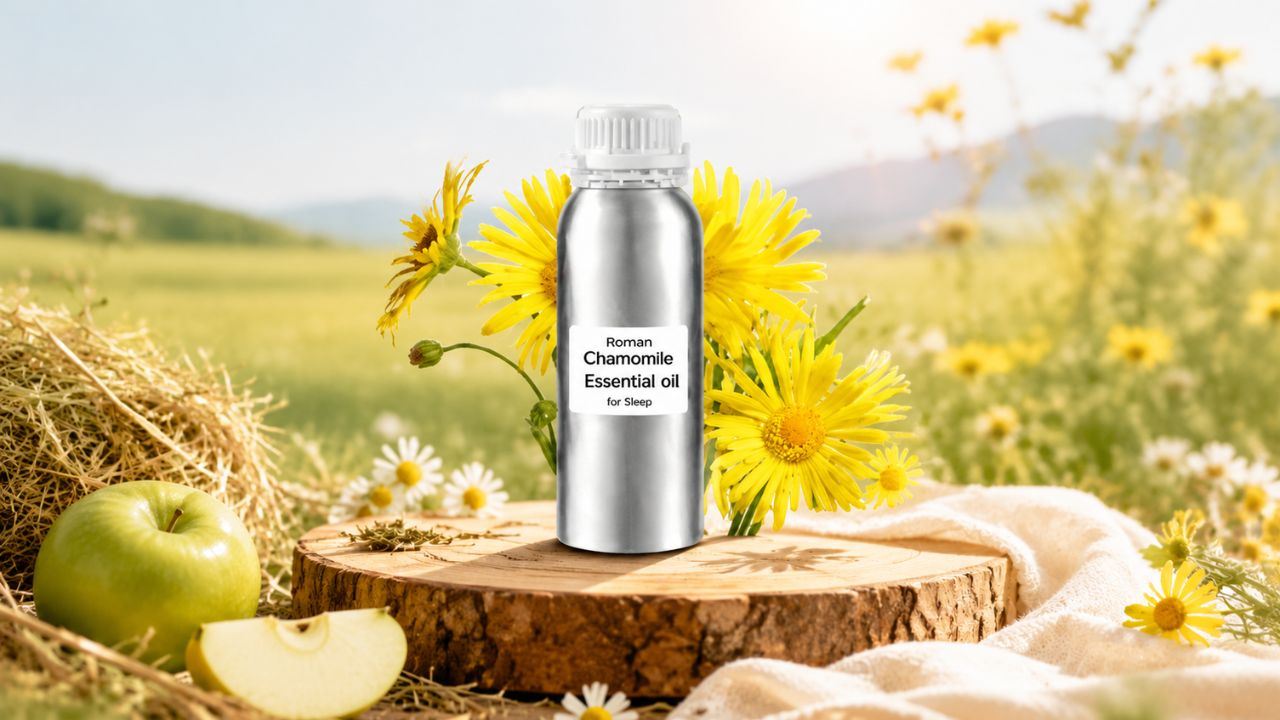
Roman Chamomile Essential Oil for Sleep
Characteristics is one of the gentlest essential oils, which has a sweet and herbaceous scent. Some customers say it smells like hay or apples. After appropriate dilution, it is suitable for children over 2 years owing to its gentle nature. If your customers always say they are emotionally sensitive and prone to stress, Roman chamomile essential oil can soothe their emotions instead of powerful sedation. If you have anxiety-driven insomnia, it is suitable, too.
| Common Blends of Roman Chamomile | |
| Blend | Key Benefits |
| Chamomile + Lavender + Sweet Orange | Gentle and soothing, ideal for emotional stress |
| Chamomile + Bergamot | Mild anti-anxiety, suitable for sensitive skin types |
Bergamot Essential Oil for Sleep
Bergamot belongs to citrus essential oils but is different from other citrus; it has an anxiolytic instead of an energizing effect due to its abundant linalool to calm down the nervous system.
Do you always have a bee in your bonnet or feel down before sleep? Bergamot essential oil is a perfect fit for customers like you.
Common blends of bergamot combine it with the above chamomile, as well as lavender added vetiver, to help sleep.
Cedarwood Essential Oil for Sleep
Cedarwood Essential Oil’s components include cedrol, which is a sedative compound. Research shows cedrol facilitates deeper and longer sleep. Near cedarwood essential oil, you will smell a warm and woody fragrance and feel a sense of security. For some Alzheimer’s patients, it increases total sleep time.
Cedarwood is a warm sleep aid formula in winter or cold seasons, which is suitable for your customers who are insecure and frequently waking during the sleep period.
| Common Blends of Cedarwood | |
| Blend | Key Benefits |
| Cedarwood + Lavender + Neroli | Warm and comforting bedtime atmosphere, ideal for cooler seasons |
| Cedarwood + Vetiver | Deep grounding blend, suitable for “tired but wired” users |
Ylang-Ylang Essential Oil for Sleep
Ylang-Ylang has an intensely floral scent with sweetness and spiciness, which is frequently used in yoga and meditation practice to help slow the breath and create peace.
Research shows that inhaling ylang-ylang essence can lower blood pressure and improve self-rated calm. For some difficulty falling asleep due to accumulated stress or physical restlessness, Ylang-Ylang is helpful.
| Common Blends of Ylang-Ylang | |
| Blend | Key Benefits |
| Ylang Ylang + Lavender + Bergamot | Emotionally warm sleep blend with a balanced floral-citrus profile |
| Ylang Ylang + Cedarwood | Floral and woody combination that creates a sense of comfort and security |
Frankincense Essential Oil for Sleep
Frankincense Essential Oil’s key characteristic is that its odor is warm, woody, and earthy. For hundreds of years, it has been used in support of meditation and prayer. Inhaling the aroma of frankincense will help you increase and deepen your breath and calm your mind. From a physiological perspective, it may decrease glucocorticoid levels to help relax.
| Common Blends of Frankincense | |
| Blend | Key Benefits |
| Frankincense + Lavender + Cedarwood | Deep meditation-style sleep blend that combines woody and floral notes |
| Frankincense + Bergamot + Vetiver | Mind-body balancing blend — frankincense calms the mind, bergamot soothes emotions, vetiver grounds |
Vetiver Essential Oil for Sleep

I believe you don’t feel strange about “vetiver”, because in many of the above common blend sections, we have mentioned this name. Vetiver has a deep, earthy, and woody aroma and helps center and ground. It regulates GABA-related nervous system activity by influencing calming neurotransmitter pathways to help relax. , which is an inhibitory neurotransmitter that slows down the nervous system. If you feel physically and mentally burnt out and overwhelmed at times, you can try Vetiver Essential Oil.
| Common Blends of Vetiver | |
| Blend | Key Benefits |
| Vetiver + Lavender + Bergamot | A “tired but wired” sleep blend — vetiver grounds, lavender soothes, bergamot calms the mind |
| Vetiver + Cedarwood | Deep grounding blend that helps “land” and stabilize emotions |
Look back at the above 7 types of essential oils, and you will find that no single sleep essential oil is a panacea. Everyone has their own advantages in solving sleep problems. So you need to learn your customers’ requirements first.
Besides them, there are also some oils used in helping sleep, such as sweet orange, clary sage, sweet marjoram, and so on.
Common Applications & Professional Selection Guide
Different applications determine the formulation design direction of essential oils for sleep. Start with your terminal usage scenarios; you can reverse the essence selection request.
What Products Can Sleep Essential Oils Be Made Into?
| Product Format | Recommended Concentration | Formulation Considerations | Typical Essential Oils |
| Diffuser Oils | 100% or diluted to 1-3% | Must evaporate without residue; stable scent profile across top/middle/base notes | Lavender, Bergamot, Cedarwood, Frankincense |
| Roll-on Oils | 3-5% | Lightweight, non-greasy, fast-absorbing carrier oils like fractionated coconut oil or jojoba oil | Lavender, Chamomile, Vetiver, Bergamot |
| Massage Oils | 1-3% | Good slip, suitable for full-body application; carrier oils like sweet almond, grape seed, or jojoba oil | Lavender, Ylang Ylang, Vetiver, Cedarwood |
| Pillow Sprays / Room Sprays | 0.5-2% | Must not stain fabric, gentle on airways; requires solubilizer (Polysorbate 20/alcohol) and preservative | Chamomile, Lavender, Sweet Orange, Bergamot |
| Scented Candles | 3-8% | Consistent scent release during burning; soy wax or coconut wax recommended | Lavender, Cedarwood, Frankincense, Ylang Ylang |
| Reed Diffusers | 10-30% | Continuous release over several weeks; requires DPG/MMB solvent; no discoloration or scent drift | Lavender, Cedarwood, Bergamot, Vetiver |
| Bath Products | 1-3% | Even dispersion in water requires an emulsifier (Polysorbate 20 / bath salts) | Lavender, Chamomile, Sweet Orange, Ylang Ylang |
The concentration range is just the reference values in industry; the specific formula should be adjustable based on your actual needs and target market compliance requirements, such as the IFRA standard.
How Do I Choose an OEM/ODM Supplier?
After deciding on the specific products, you should choose an OEM/ODM supplier cautiously. As a professional essential oils for sleep ODM/OEM manufacturer, WJOIL advises you to assess the following dimensions:
- Choose a supplier that provides stable oil sourcing, origin, and traceable batch records. You should notice that the consistency of different batches of essential oils for sleep differs in aroma and composition.
- Request to provide their own or a third-party test report, such as GC-MS to identify the purity of components, COA, IFRA compliance statement to confirm products meet international safety standards, and MSDS to instruct for safe use and storage.
- Confirm with suppliers whether they have blend development experience and fast sample turnaround to accelerate your product’s launch date.
- Notice their batch production capability and on-time delivery record to adapt to your brand’s expansion.
By the way, in all of the above dimensions, WJOIL can provide reliable support for you.
We control quality at the source by cultivating and harvesting high-quality natural aromatic plants around the world. At the same time has over 20 years of industry experience and gives you OEM/ODM full-process customization services for 12 major product series. Of course, include the best essential oils for sleep.
FAQ
How Long Does It Take For Essential Oils To Help With Sleep?
If you use an aromatherapy diffuser, the course of essential oil molecules that work in the brain’s limbic system is about 15 to 20 minutes to enter a sleep-ready state. If you drop essence on a pillow or a topical applicator, body absorption is about 30 minutes.
Can I Use Essential Oils For Sleep Every Night?
Yes, you can, but keep these in mind: essential oils should not be applied directly to the skin without dilution; a minority may experience a headache, cough, or skin irritation; if so, take a pause or switch to another oil.
Special attention: essential oils for sleep are part of complementary aromatherapy and cannot replace medical treatment!
Are Essential Oils For Sleep Safe For Children And Pregnant Women?
Children can use it with caution and strictly follow safety rules. Infants under 3 months old are recommended to use it. Pregnant women can use parts of certain gentle oils, such as lavender, but strictly no oral use, and avoid direct application on skin.
How Should Sleep Essential Oils Be Stored To Maintain Quality?
You should store sleep essential oils in dark-colored glass bottles and away from light. Also, put it in a cool and dry position. Please tighten the cap immediately after using it to reduce oxidation brought from air exposure.
Can Sleep Essential Oils Be Customized For Different Needs?
Yes. You can choose 2–4 oils to blend based on your sleep issue type. Then, according to actual results, WJOIL can help you to gradually adjust.
Final Thoughts
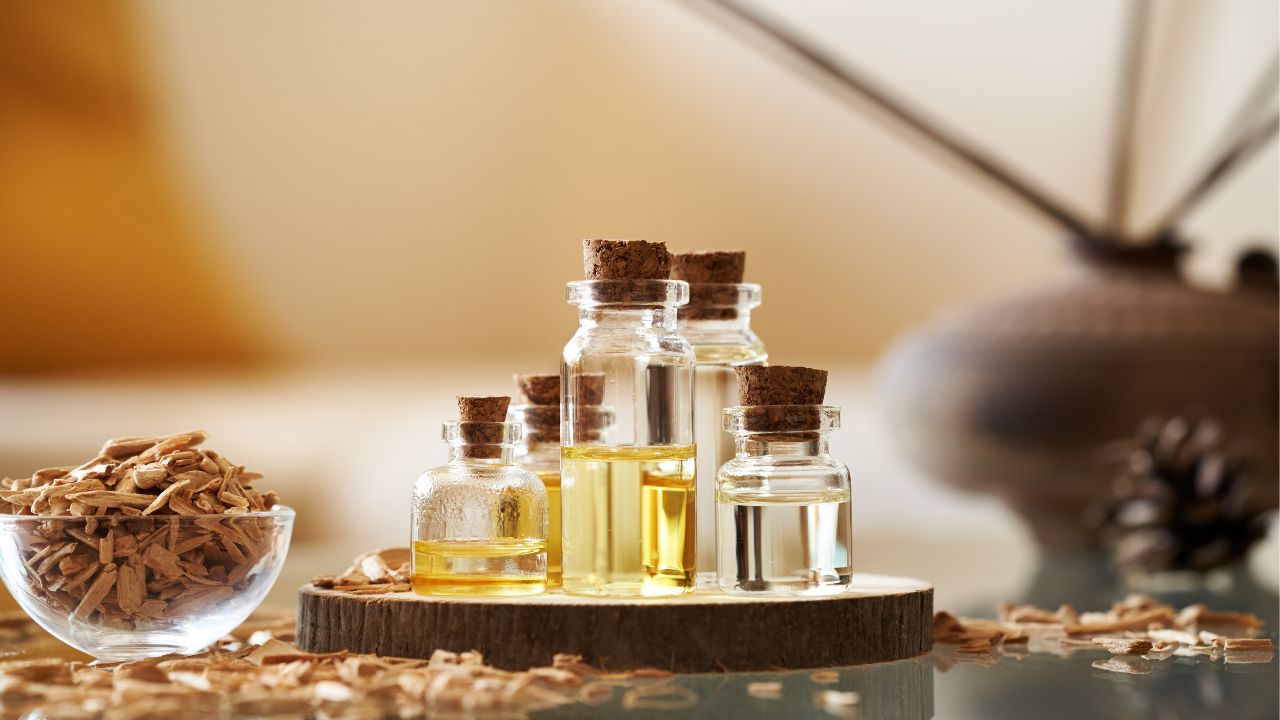
The quality of essential oils for sleep is the foundation of a brand. WJOIL is a professional OEM enterprise that integrates R&D, production, and sales. If you have any questions or need information about the best essential oils for sleep, welcome to contact us for a quote.