Essential oils are concentrated plant extracts. They are widely used as ingredients in many products. If you are choosing a suitable ingredient for your products, you need to understand what essential oils are and how they’re made. This guide explains the basics of essential oils, including their sources, production methods, benefits, and common applications.
Source of Essential Oils
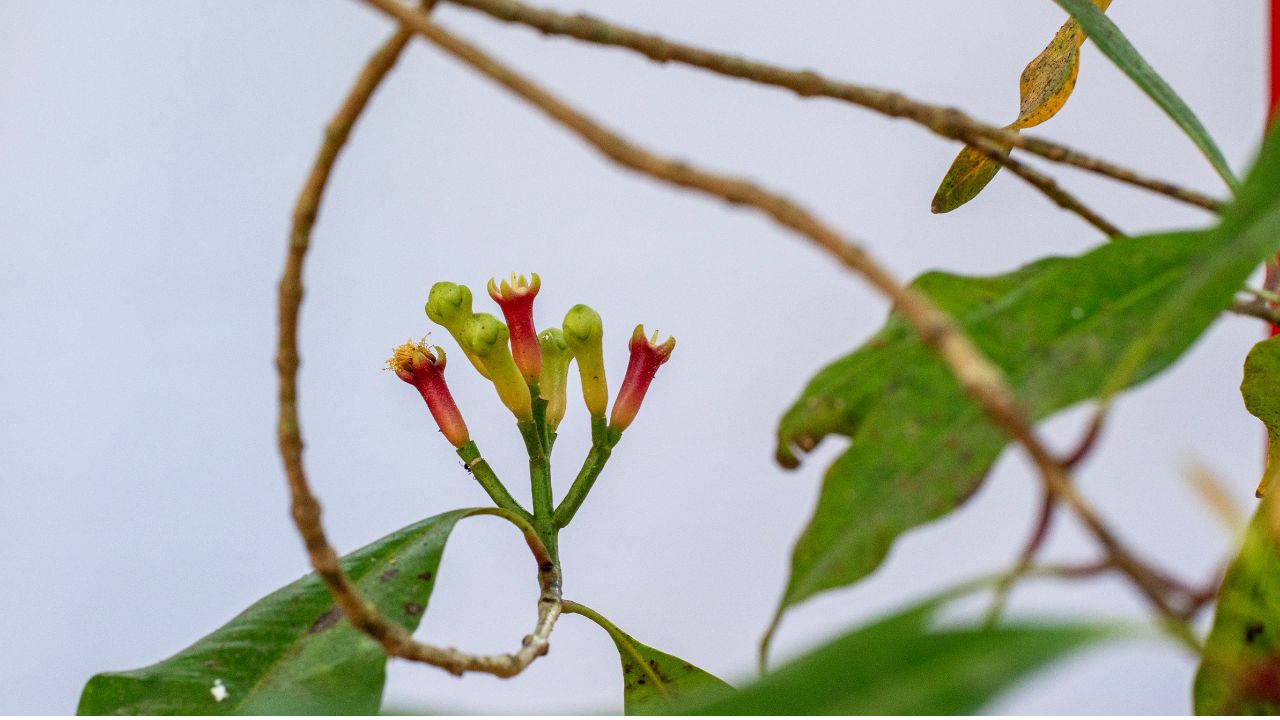
Essential oils are natural liquids that come from plants. They can be extracted from different parts of plants such as flowers, leaves, fruit peels, roots, seeds, or bark. Different plants have their unique scents, so essential oils have different aromas as well. Essential oils do not contain any artificial fragrances.
Since they are extracted from plants, many people use essential oils in daily life and personal care products.
Production of Essential Oils
Distillation
Distillation is the most common way to make essential oils. Fresh or dried plants will be put into a large container, and then hot steam is passed through them. The steam carries the plants’ natural fragrance into another container. After it cools, it will turn back into liquid.
This method is suitable for many kinds of plants and can preserve their original scent very well. Therefore, it is widely used in essential oil production.
Cold Pressing
Cold pressing is a simple way to extract essential oils and is very suitable for fruit peels. People often press or squeeze the peels hard, and the small oil droplets inside will come out. This production process will not use high heat, so the fresh scent of the fruit can be preserved well. After pressing, the oil is collected, and it will be further processed.
This method is mainly used for fruits such as oranges, lemons, and grapefruits because it can keep their natural fresh smell.
Solvent Extraction
When plants are too delicate to use distillation or pressing, people usually choose solvent extraction for production. People often paint a special liquid carefully onto the plants. This liquid can dissolve the fragrance and natural compounds of the plants. Then they remove the liquid, leaving behind a substance with rich scents.
This method is often used for flowers such as jasmine and roses. These kinds of plants are easy to break, and solvent extraction can preserve them well.
Enfleurage
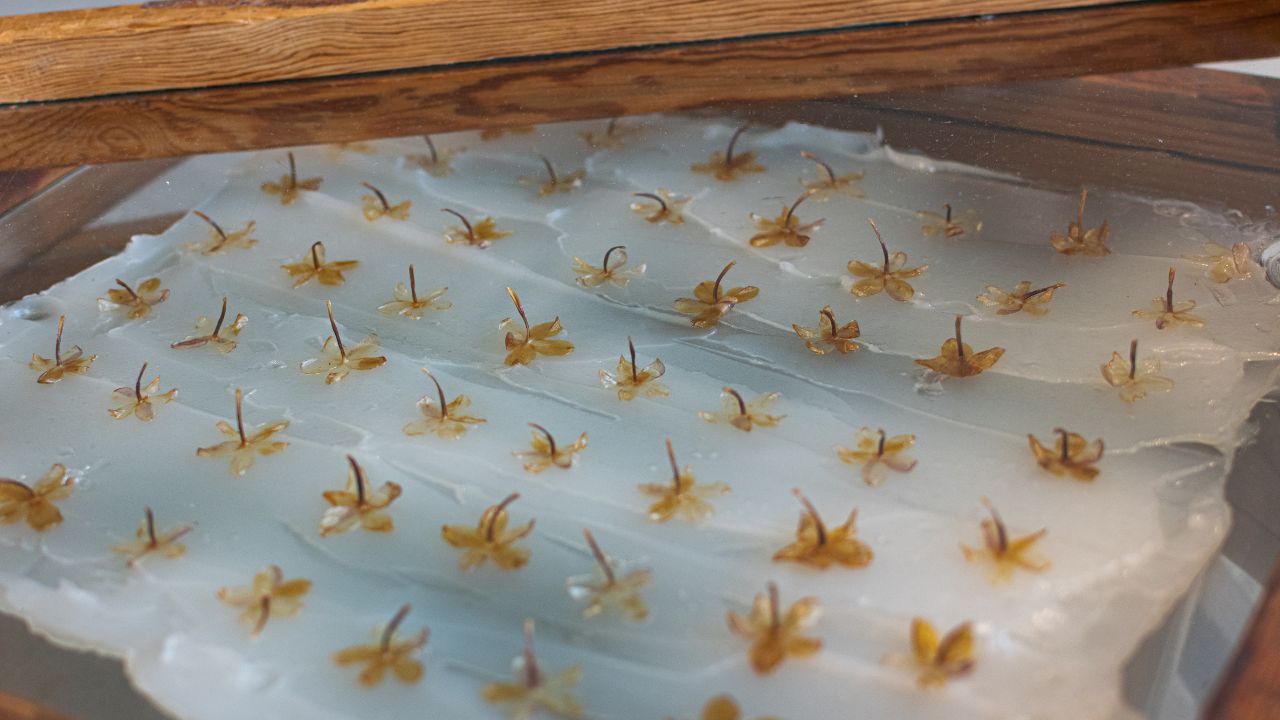
Enfleurage is a mild method for delicate plants as well. Like solvent extraction, you can choose enfleurage to produce essential oils when the plants, such as flowers, are easy to break.
People often put fresh petals on a layer of fat. The fat will absorb the fragrance of the flowers slowly. After a while, they replace the petals with new ones. This step often needs to be repeated until the fat is full of scent. Finally, the fragrance is extracted from the fat to make essential oil.
Benefits of Essential Oils
Emotional Relief
The scents can go straight to the parts of the brain that are responsible for emotions and memory. This means that essential oils may help release negative emotions. When people smell a pleasant natural fragrance, the brain will send signals that make the body feel more relaxed and safe.
Different plant scents can also bring different emotional changes. Some fragrances can make people feel happy and relaxed, and some fragrances can make people feel calm.
Improve Sleep
Essential oils may help people fall asleep more easily and calm the brain before people sleep. When people smell subtle natural scents, the brain will slowly reduce the signals that keep the body alert, helping calm down the body and be ready to fall asleep.
Since some smells can make people feel safe and relaxed, essential oils may help people sleep longer and more deeply through the night.
Improving Focus
Some essential oils may also help people concentrate and keep the brain clear and active.
Some fresh natural scents can reduce fatigue and make people focus on their tasks more easily. And people can concentrate on the same thing for longer periods. When people smell these aromas, their brains may become clear. This can help people stay calm in studying, working, or other tasks that need focus.
Killing Germs
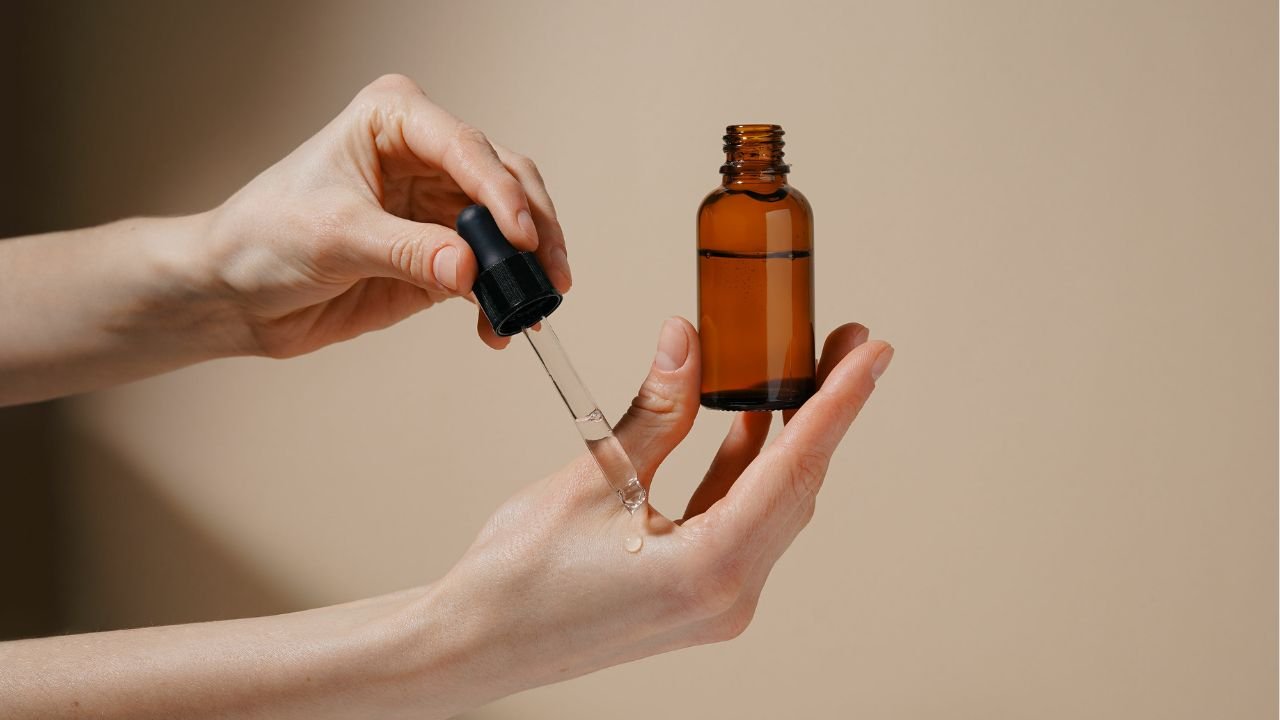
Essential oils may reduce small bacteria in the air. In nature, some plants have a kind of cleaning component in their scent. These smells come from special compounds in the plants that can influence the growth of small organisms like bacteria. When producing essential oils, these compounds can be extracted along with the scent.
Therefore, when you use this kind of essential oil, these compounds will spread out and make your environment feel cleaner and fresher.
Aromatherapy
Aromatherapy means that the natural scents of plants can influence people’s moods and thinking.
When people smell essential oils, the brain will react quickly because smell is closely related to emotions. These natural scents can gently change how you feel. They can make your body feel more comfortable. Different plant smells can bring different feelings, such as calmness or freshness.
Common Essential Oils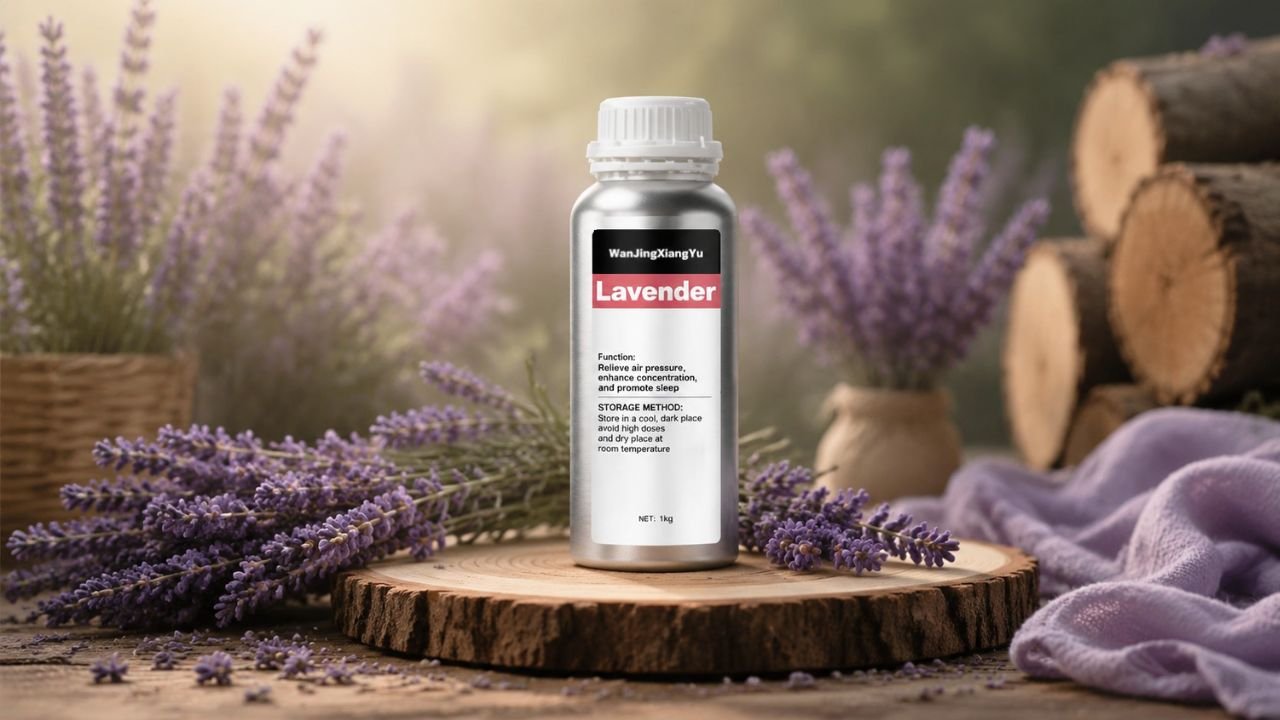
- Clove: May reduce bacteria and have antioxidant effects.
- Cypress: May help with blood circulation, keeping the body more stable and comfortable.
- Eucalyptus: Can improve breathing problems, making the body feel fresher and clearer.
- Lavender: May reduce stress and make you feel calmer.
- Grapefruit: Can improve metabolism and make you feel happier and lighter.
- Lemon: Has antibacterial effects and can bring a fresh feeling.
- Mint: May make your brain more active and help you think more clearly.
Application of Essential Oils
Diffusers and Humidifiers
Essential oils are often put into diffusers or humidifiers. The fragrance spreads with the mist throughout the room, and it will make the air fresher and lighter. Some scents can make people feel more awake, while others make the space quieter and more relaxing.
If you want to produce air-care, home fragrance, or hotel scent products, you can choose essential oils according to diffusion strength, scent stability, and consistency in large spaces. These things will directly influence the performance of your scent products.
Massage
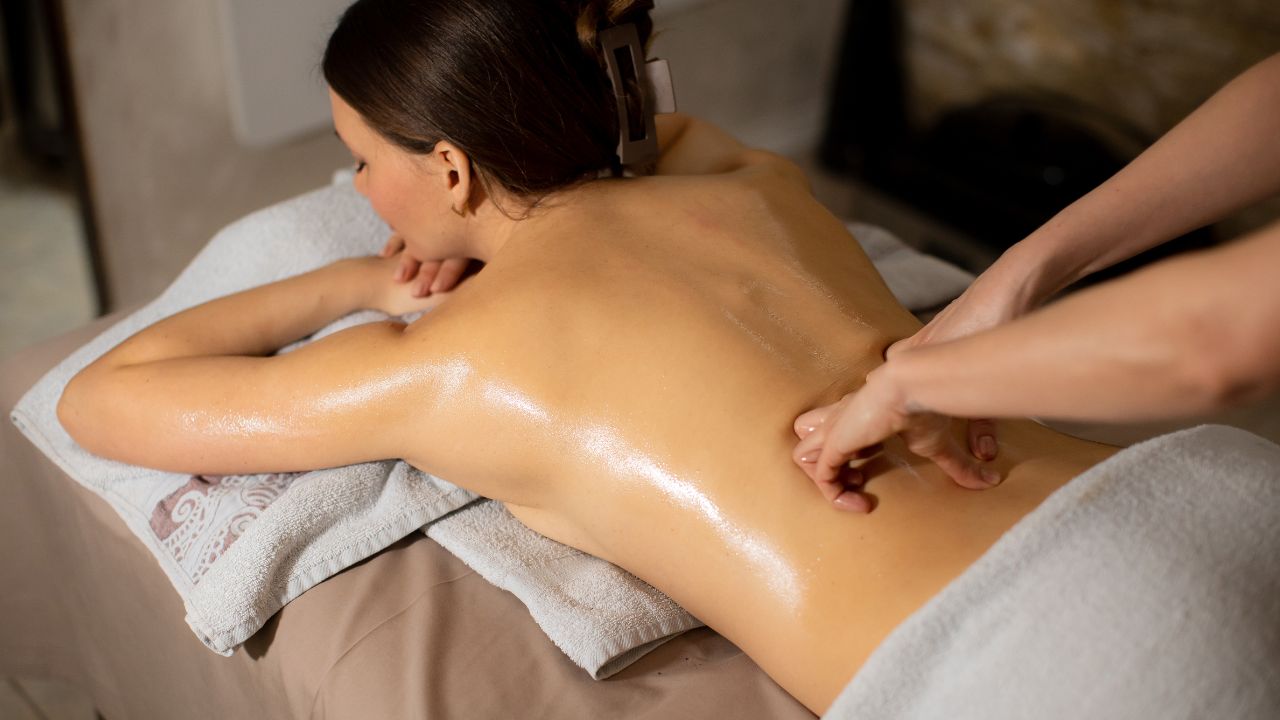
When essential oils are used for massage, they can reduce tension in the body and relax muscles. Some essential oils relieve muscle fatigue, so it is widely used in massage.
If you are sourcing massage oils or spa products, you need to choose essential oils that can improve the massage experience and effects.
Soap
Essential oils are often used in soaps as well. Some essential oils make the skin feel less oily and more balanced after a shower. At the same time, they may make the skin feel softer and smoother in the long term as well. They can leave a nice natural scent.
If you are producing or sourcing soaps, you can add essential oils suitable for your needs into the soaps.
Hair and Skin Care Products
Hair and skin care products often use essential oils. Some essential oils may make the user’s skin fresher, and some essential oils make your skin feel softer and more comfortable. For hair care products, essential oils may make the hair cleaner and help reduce dryness.
If you are producing skincare or hair care products, you need to care about ingredient safety, formulation compatibility, and long-term stability during use. These factors will influence whether your skincare or hair care products can enter the target market smoothly.
Precautions and Care
Storage
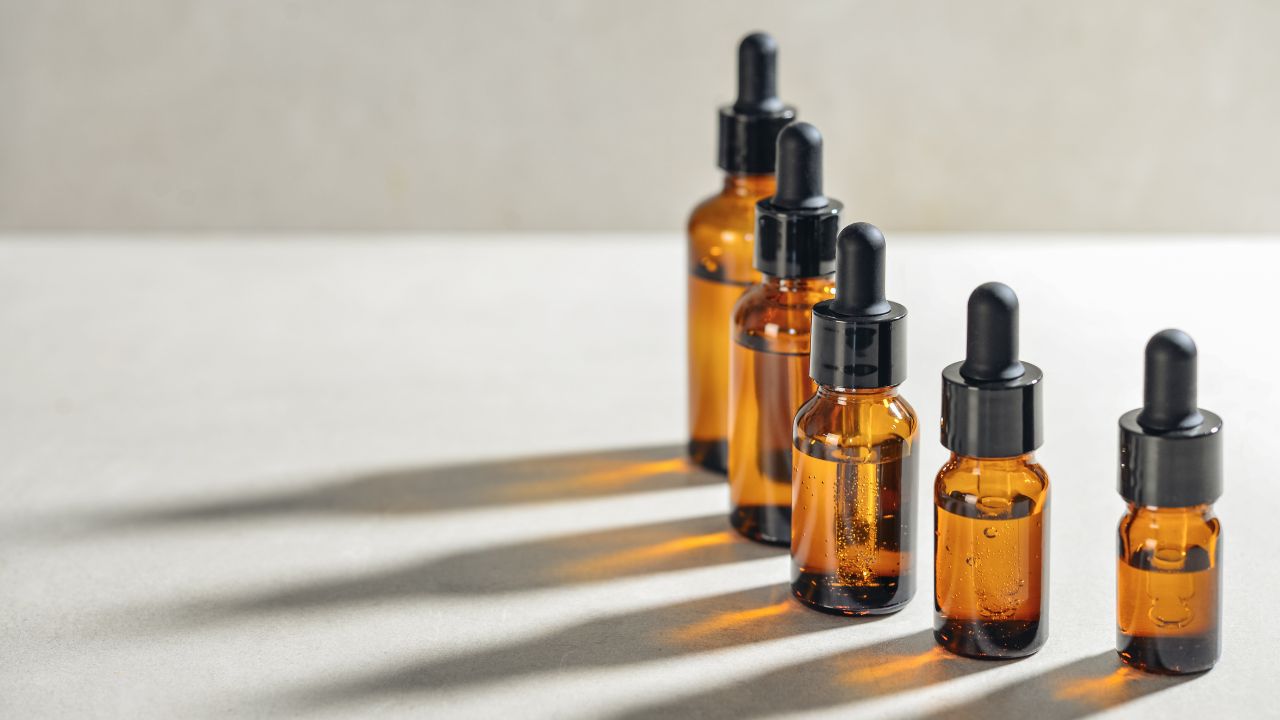
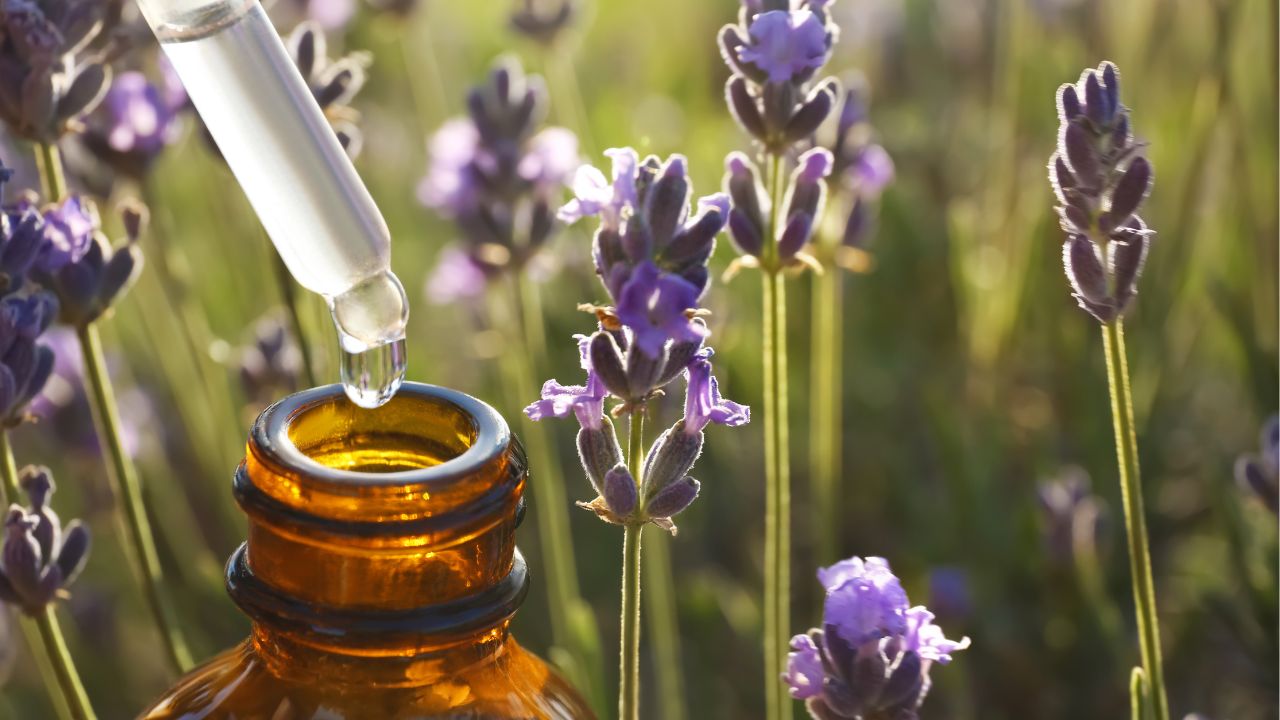
Essential oils are very sensitive to air, light, and temperature. If you leave them in strong sunlight or high heat, their scent and quality will fade gradually. They need to be stored in dark glass bottles.
Moreover, the cap should be tightly closed, because exposure to air can also change the oil. In cooler, dry environments, essential oils stay more stable and keep their original fragrance for a longer time.
Side Effects
Essential oils should not be ingested. Some oils can be irritating to the skin, and they may cause redness or discomfort for sensitive people.
In enclosed spaces, strong smells may even cause headaches or dizziness. Since essential oils are concentrated, a small amount of them can have strong effects.
FAQ
What’s the Difference Between Essential Oils and Fragrance Oils?
Essential oils are extracted from natural plants, while fragrance oils are often made of synthetic ingredients in labs. Essential oils have the plant’s natural scent and compounds, but fragrance oils are mainly used for smell and may not be natural.
How Long Can Essential Oils Last?
Generally, they can be stored for about 1 to 3 years. It is related to the source plant and the storage method. Some essential oils are more stable and can last longer, while others may lose their scent more quickly.
What Certifications Are Available for Essential Oils?
Common certification documents include COA (Certificate of Analysis), MSDS (Material Safety Data Sheet), and sometimes ISO or organic certifications. These reports can help you check the product’s quality, safety, and ingredients before purchasing. Moreover, they are also required in international trade and customs clearance.
Can Essential Oils Be Customized?
Yes. We offer customization services. You can choose the suitable scent, concentration, and packaging according to your needs. You can choose different kinds of essential oils for different applications as well.
What Influences Essential Oil Purity?
Purity of essential oils is often influenced by the quality of raw materials, plant origin, and production method. High-quality plants and proper production can keep natural compounds intact, while poor sourcing or mixing with additives will reduce purity and change chemical composition, influencing consistency in applications.
Can Essential Oils Become Rancid?
Essential oils can oxidize over time if it is exposed to air or stored for too long. Essential oils do not contain fatty acid compounds. Therefore, they do not become rancid, and they may only change in color and smell. Oxidized essential oils should be disposed of and not used on the skin.
Final Thoughts
Essential oils are natural extracts from plants and are widely used in many fields and products. If you are purchasing essential oils, feel free to contact us, and we will provide more information and offer professional advice.