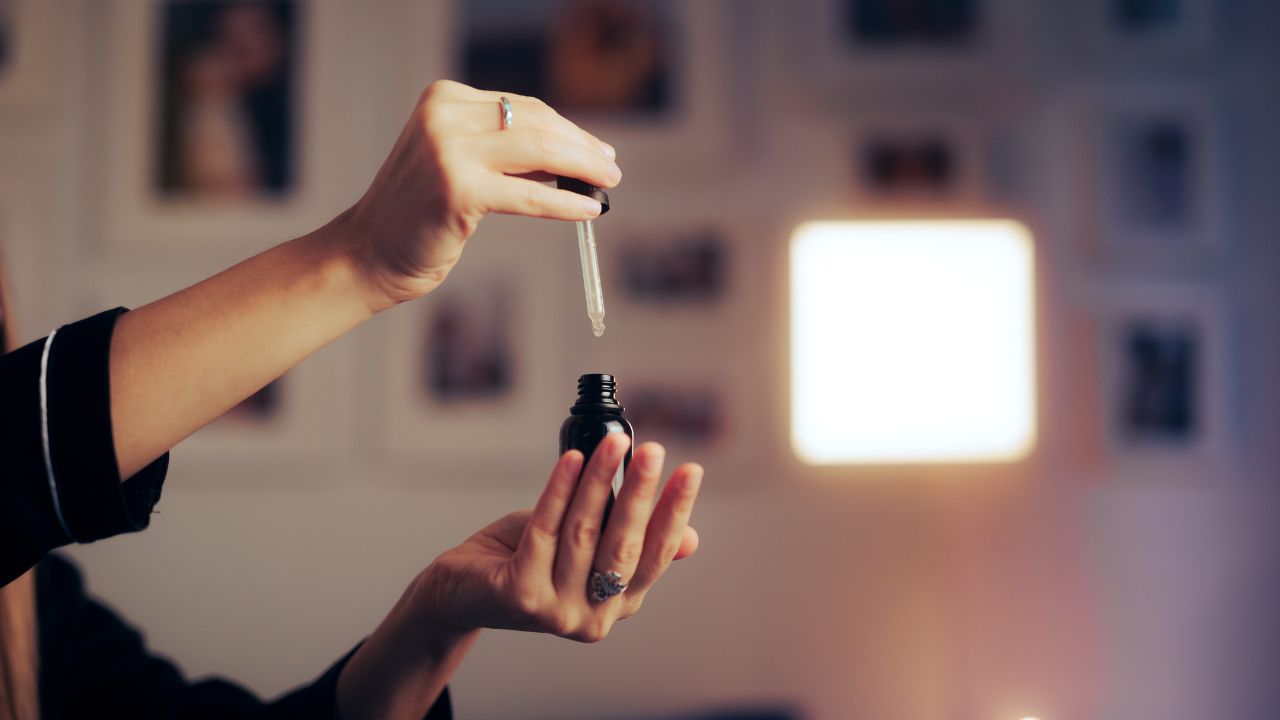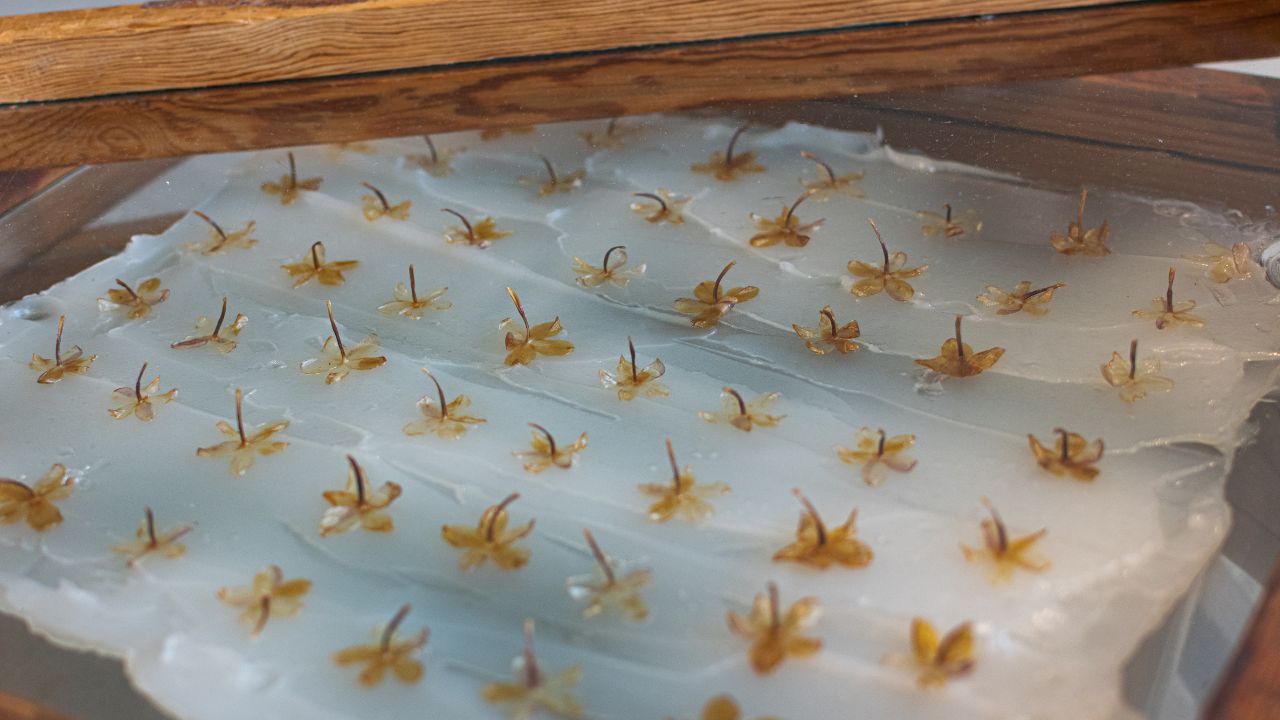
Are you trying to make more stable and layered essential oils for your product development or your brand? In many commercial applications, essential oils are not alone. Instead, they are blended to achieve better aromas. In this article, we will start from the theory and talk about the methods and processes of essential oil blending.
Why Blend Essential Oils?
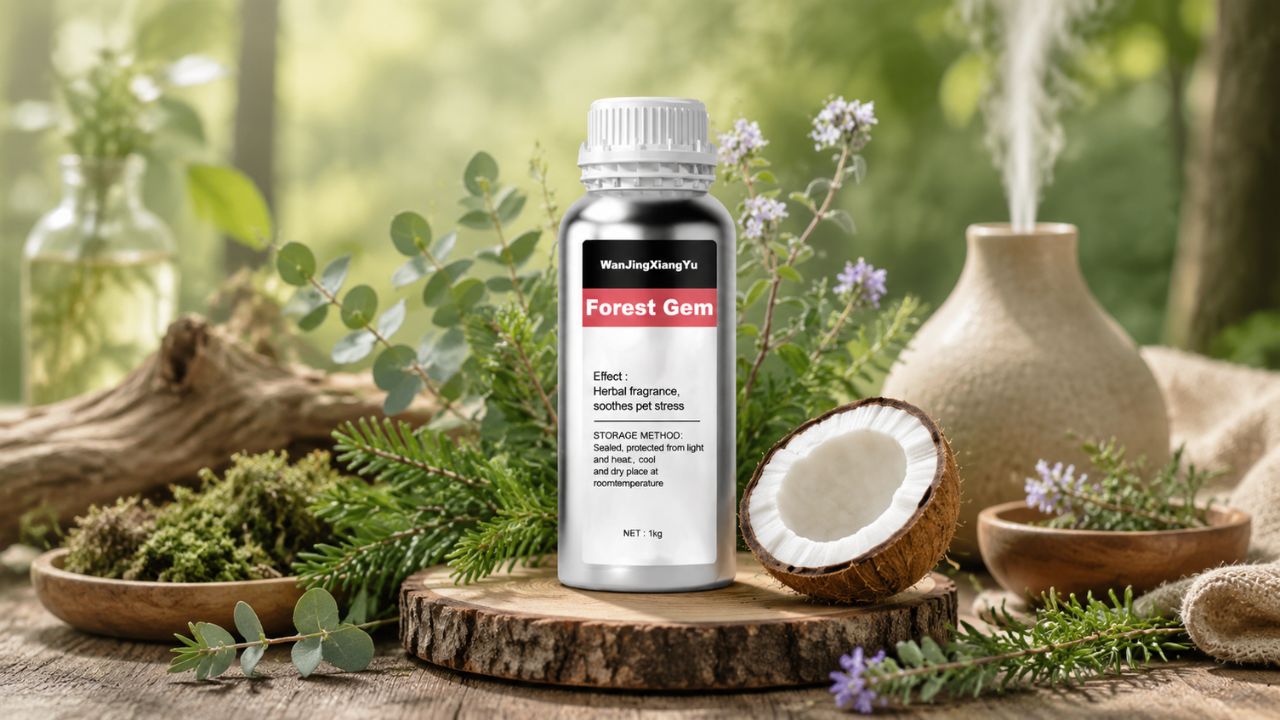
Sometimes, a single oil can smell too strong or too plain. When different essential oils are blended, the scent will become softer and smoother.
Blending can make fragrance products for different purposes have different vibes as well. Blended essential oils will give them their own style and personality. It can make your brand more distinctive. Some scents work better when blended, while others may make the final effect worse. Therefore, you need to choose the right blending formula.
Essential Oil Blending Theory
Essential oil blending is based on a three-layer scent structure: the top notes, the middle notes, and the base notes. The top notes will be smelled first and are usually light and fresh. The middle notes are the main part of the scent and last longer. The base notes appear later and can make the fragrance deep and stable.
In commercial fragrance products, understanding and using this essential oil blending theory may help you design a better and more suitable essential oils blending formula for your brands.
Applications of Blended Essential Oils
Soap
Blended essential oils are widely used in soap. Common oils have lavender and lemon. Lavender gives a soft and soothing feeling and can make everyday use more comfortable. Lemon can give a fresh and bright scent. It can make the soap feel cleaner and more appealing. They are very suitable for blended essential oils used in soap.
Diffuser Use
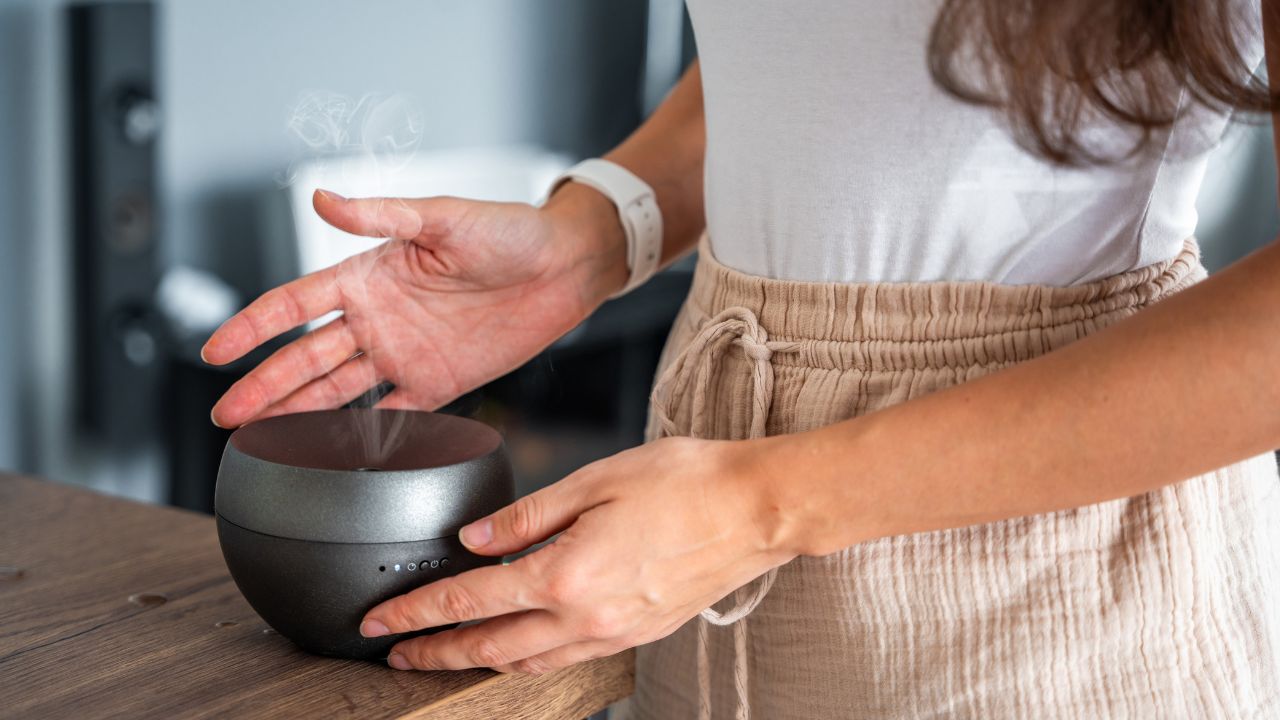
Blended essential oils used for diffusers need to spread evenly in the air and last for a while. The formula may combine light scents that provide an initial impression with long-lasting scents that keep the whole fragrance going.
Usually, fresh and light essential oils are used because they can spread the scent in a space quickly. Moreover, some gentle and light essential oils can stay stable after the initial scent fades away.
Candle
In scented candle products, essential oils need to keep their aroma when heated. A suitable formula can balance scent strength and the way the fragrance develops as the wax melts.
Gentle floral essential oils are used to make a space more cozy and light. Some lighter essential oils can be used as a bright top note. But they need other scents to support them, or they will fade too quickly. When producing candle products, you need to design a suitable blending formula.
Skin and Hair Care Products
In haircare and skincare products, essential oils are often blended in very small amounts. The blended essential oils should be mild and gentle on the body. They should not cause any discomfort.
At the same time, they need to blend well with creams, lotions, or shampoos without changing the product’s effect. Blended essential oils used in these products will produce a richer and more natural scent that is clean and safe.
How to Choose Essential Oils for Blending
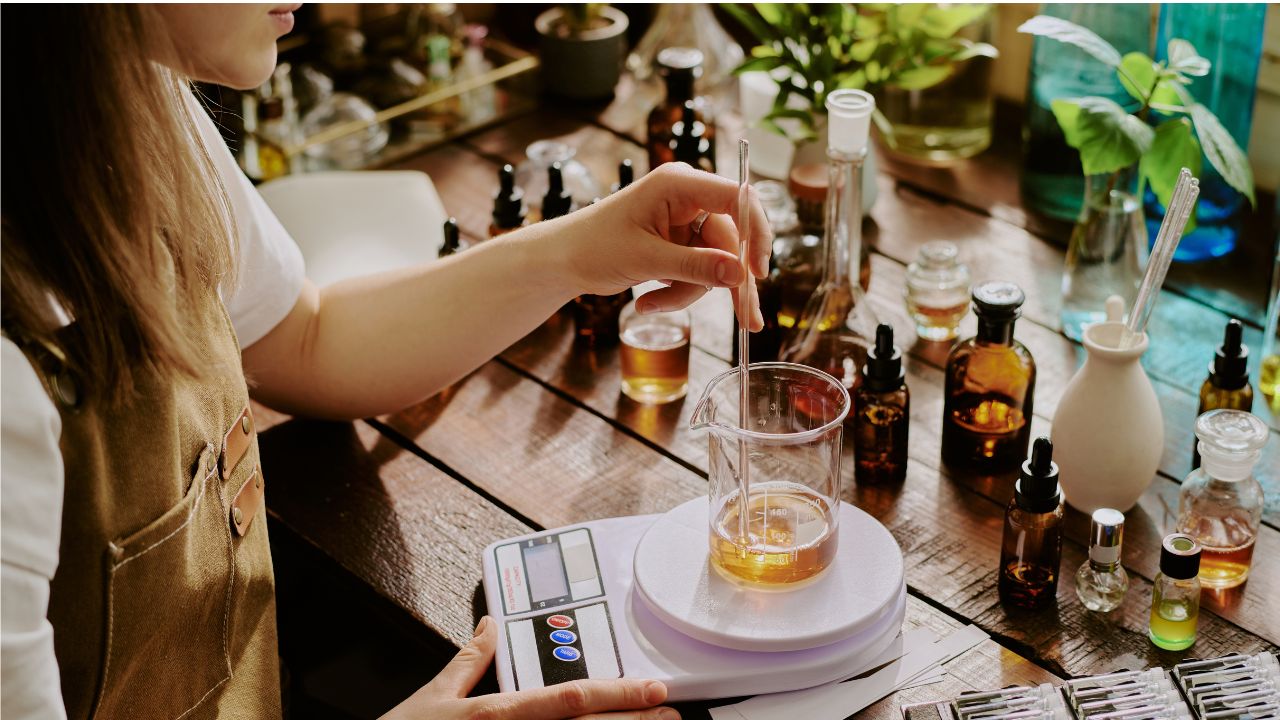
Choose Essential Oils for Blending According to Fragrance Structure
Top notes usually use essential oils that are light, such as lemon, orange, and mint. Their scents are fresh and are the first to appear when people use the product. They are the first impression of your fragrance product on the users, making it feel clean and appealing. So, the top notes largely determine whether people like the scent right from the start.
The middle notes usually use essential oils such as rosemary, lavender, and geranium. These essential oils have a gentle scent and last longer when the top notes fade. They make up the main body of the fragrance and connect the top and base notes. In your fragrance products, the middle notes determine the main style of the scent and the overall feel.
If there are no base notes, the scent will fade away quickly. It may feel empty after using it without a base note. Essential oils such as patchouli or sandalwood evaporate slowly, so they can reduce this feeling. If you add this kind of essential oil into the base notes, the fragrance will last longer and be more stable.
Choose Essential Oils for Blending According to Functions
Lavender, bergamot, and chamomile are often used to relax. Their scents are soft and gentle. And they may reduce tension and can make people feel calmer. If adding these essential oils to your fragrance products, they can make a quiet and cozy experience for the users.
Eucalyptus, peppermint, and lemon are commonly used to energize. Unlike chamomile or lavender, these essential oils’ smells are fresh and strong. They may help people feel more active. Therefore, these essential oils are very suitable for morning or work-related products.
If you are developing study or office fragrance products, you can use essential oils for focus, such as rosemary, basil, and peppermint. They may help keep focus and active during long work sessions. Their scents can clear the mind, make the brain feel sharper, and reduce distractions.
There are also some essential oils very suitable for purification, such as lemon, tea tree, and eucalyptus. These essential oils are widely used in cleaning or air freshening products. Their scents are clean and strong, giving a sense of fresh air and cleanliness.
Essential Oil Blending Steps
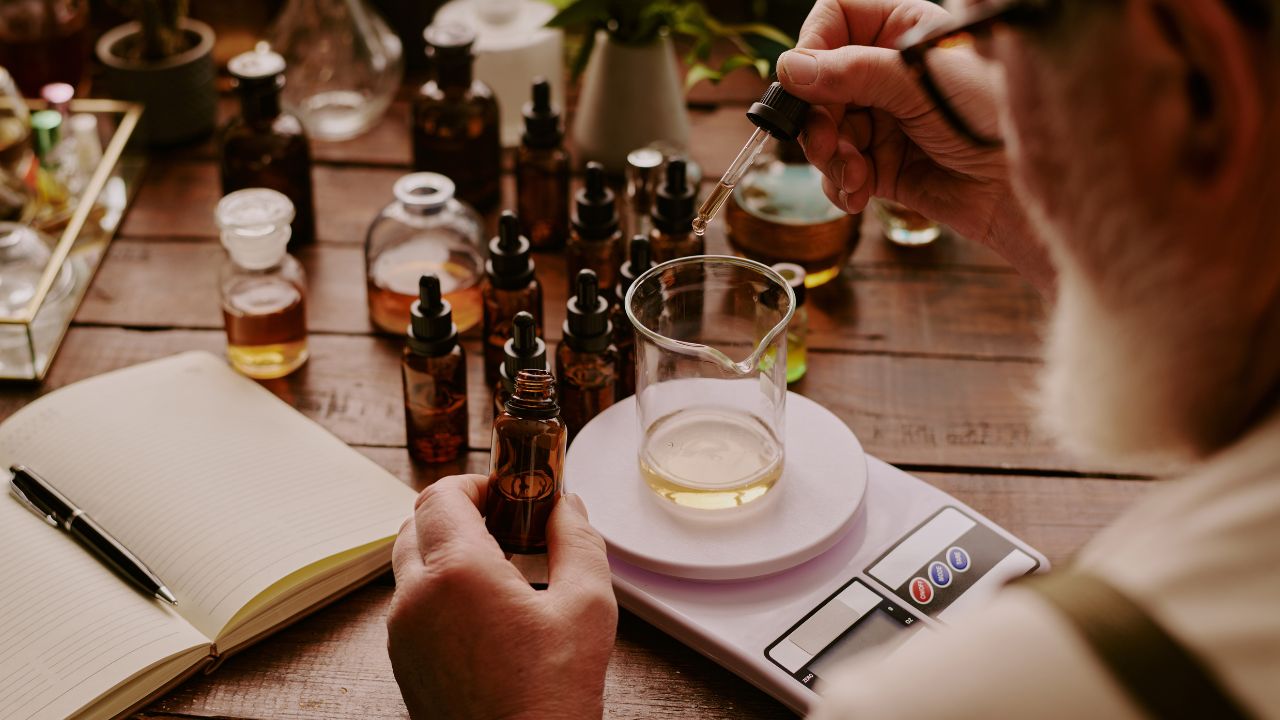
Product Positioning
When choosing what essential oils to blend, you need to be clear about what your product is for. Some products may need a calming and gentle scent, while others may need a fresh and lively aroma.
You also need to know where the product will be used. Will it be used at home, in the office, or at a spa? When choosing a fragrance product, many people will start from the type, such as floral, citrus, or woody. You can pick suitable essential oils according to what type you want, and this step can prevent you from creating unsuitable blends.
Formulation Design
After figuring out the requirements, next you need to design a formula. First, you should choose essential oils that match the scent direction. It may be citrus for a fresh vibe or floral for a soft feel. These essential oils are used for the base of the whole fragrance.
Then pick some main essential oils to match the basic scent. It’s important to use stable and pure essential oils so the scent can be consistent.
Sample Checking and Testing
After the formula is finished, a small sample will be made in the lab for testing. This step is to check and test if the scent is right and can meet your needs.
The sample will be left for a while to observe changes in the scent. If the scent is too strong or too weak, you can make some small adjustments. This step will make sure that the final product is more stable as well as suitable for its application.
Mass Production

If the sample is checked, its formula can be used in mass production. Mass production will use big blending equipment to produce large quantities of essential oils. At this step, it is important to use the same essential oils and the same proportions. The scent must be consistent in every batch.
Quality Control & Compliance Testing
Finally, the essential oils must undergo quality tests. These tests can make sure the essential oils meet safety standards and industry requirements. Lab tests may include testing if the scent is consistent, pure, and stable. At the same time, related documents and testing reports will be provided to make sure the process is proper.
Precautions
Some mixed essential oils may be too strong for the skin and irritate it, such as burning, redness, or dryness. People with sensitive skin are more likely to react. Even natural essential oils can be dangerous and irritating if used in high amounts.
Blending different essential oils has to follow safety standards to prevent irritation. Obvious warnings and instructions can guarantee your products are safer and easier to use.
FAQ
What Is the Shelf Life of Essential Oil Blends?
Blended essential oils can often be used for about 1 to 3 years. The type of oil and its storage environment can influence its shelf life. Citrus oils evaporate quickly, while woody oils are more stable. Using dark glass bottles can maintain the scent of the product, while exposure to sunlight may shorten the use time.
Can Essential Oil Blends Be Customized for Private Brands?
Yes, they are often blended for private brand customization. Brands typically need unique fragrances to match the brand positioning and style. You can choose different kinds of essential oils for blending to make special scents according to your needs.
What Professional Tests Are Required for Essential Oil Blends?
Common tests should include GC-MS gas chromatography-mass spectrometry. They need to undergo purity tests and stability tests as well. Allergen screening and IFRA compliance testing are also needed.
How to Store Blended Essential Oils?
Essential oils need to be stored in dark glass bottles, kept sealed, away from heat, light, and air. A dry and cool environment can slow oxidation and make the oils stay stable. Essential oils may react with plastic, so do not store them in plastic containers. Some essential oil blends may need to be stored in special containers.
Final Thoughts
A successful essential oil product needs more than a good scent. It needs to follow the right formula to blend different essential oils. By working with reliable and experienced essential oil manufacturers, you can turn your ideas into customized products. If you are looking for a reliable supplier, contact us, and we will provide professional advice.