Essential oils can help relieve anxiety, promote relaxation, and support mental focus. They are widely used in aromatherapy, wellness programs, and other applications. When looking for essential oil ingredients for a newly developed aromatherapy product or your own brand, do you ever feel overwhelmed by the wide variety of options available on the market? To help, we have compiled a list of the top 10 essential oils for aromatherapy, along with information on how to use essential oils in aromatherapy and important precautions to keep in mind. This guide will help you better understand the uses and benefits of essential oils so you can make more informed choices.
What Are Essential Oils?
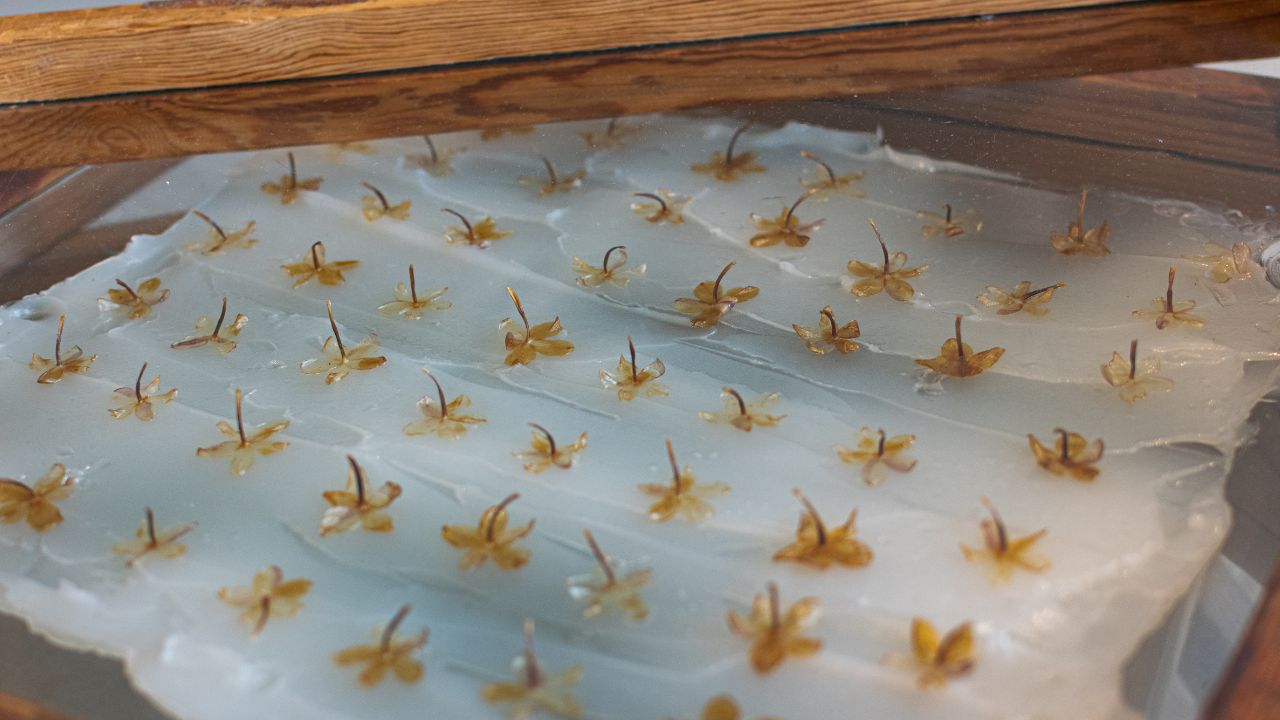
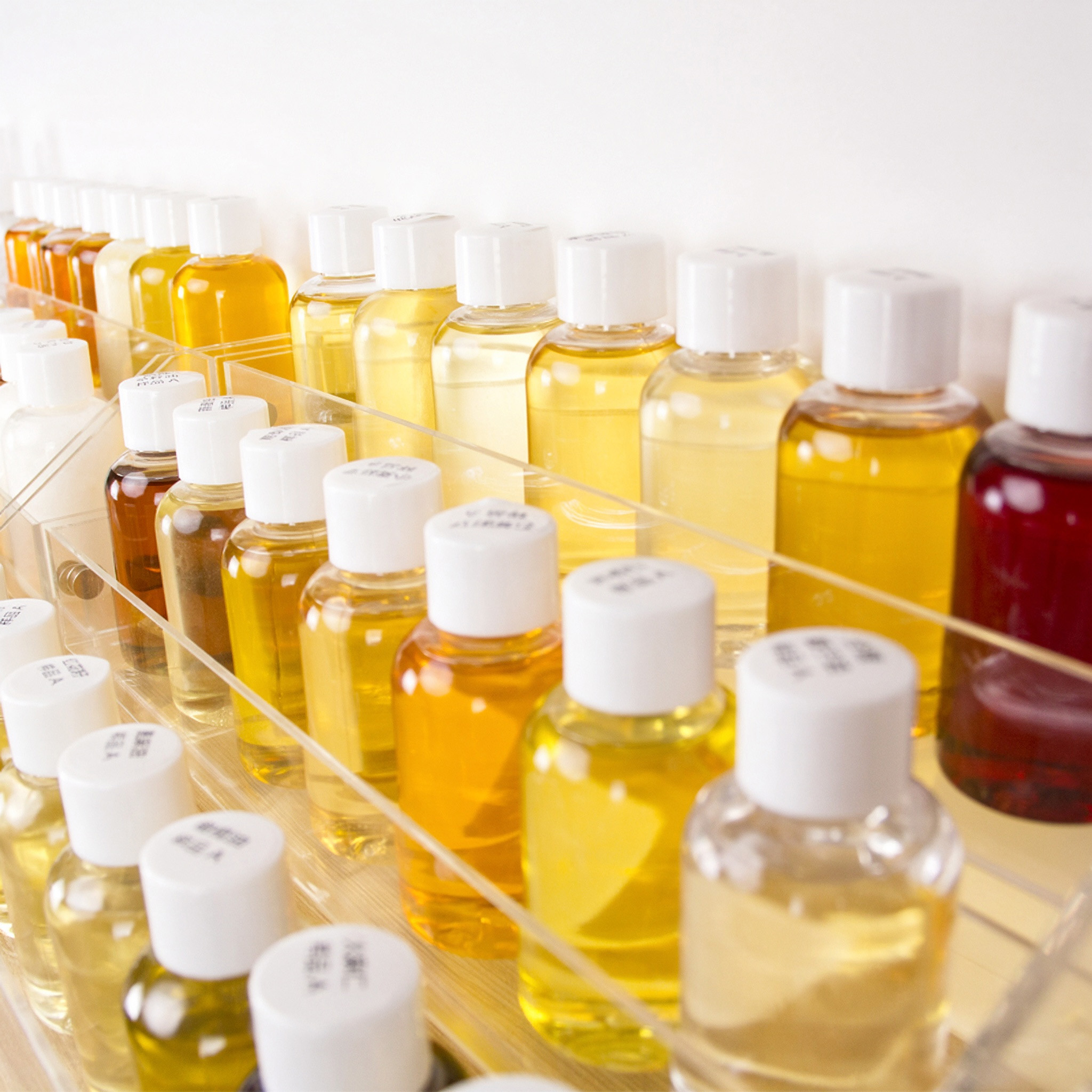
Essential oils are concentrated plant extracts obtained from different parts of plants, such as leaves, flowers, roots, and bark, through processes such as steam distillation or cold pressing. They are often referred to as the “essence of plants.” Research suggests that essential oils may help improve mood, support better sleep, reduce anxiety and pain, and may even have antibacterial, antifungal, and antiviral properties.
10 Best Essential Oils for Aromatherapy :
1. Lavender Oil for Relaxation and Sleep
Lavender is often called a “universal essential oil” and is well known for its calming and soothing properties. It is particularly suitable for helping relieve anxiety and sleep problems, and may also help with headaches. Whether used in a bath or diffused into a room, lavender oil can enhance the relaxing atmosphere of your wellness or aromatherapy environment.
2. Peppermint Oil for Energy and Focus
Peppermint essential oil comes from a common herb and is a hybrid of two different types of mint plants. This essential oil has a distinctive minty aroma and offers many benefits in aromatherapy. The refreshing scent of peppermint can help promote alertness and mental clarity, making it particularly. You can also use this essential oil to make homemade soap while enjoying the cooling sensation associated with peppermint.
3. Lemon Oil for Mood Support and Environmental Purification
In aromatherapy, lemon is a highly effective citrus essential oil that can bring a rich citrus aroma to a space, and its fragrance does not dissipate too quickly. It is an extremely versatile essential oil! You can use it in a diffuser and enjoy its uplifting effects; add it to beauty and bath products; or take advantage of its antimicrobial properties to create natural cleaning products. This allows you to experience the benefits of aromatherapy as part of your daily self-care routine.
Sourced from the romantic landscapes of Italy, considered one of the highest-quality products available on the market.
4. Eucalyptus Oil for a Fresh Aroma and Easier Breathing
Eucalyptus essential oil is one of the must-have essential oils during the winter season. It may help people experiencing colds, allergies, and other respiratory discomforts feel more comfortable breathing.
One traditional way to use eucalyptus oil is to add a few drops to hot water, then cover your head and neck completely with a towel. Lean over the water and inhale the steam while taking slow, deep breaths.
In addition, eucalyptus oil has antibacterial and disinfecting properties. It may also help relieve discomfort and combat the herpes simplex virus.
5. Frankincense for Meditation
Frankincense is a very popular aromatic essential oil among people who practice yoga and meditation. As a spice and aromatic substance with a long history of use, frankincense can help promote concentration and provide a grounding effect during practice. It is often regarded as an essential oil with spiritual significance and is traditionally associated with helping people connect with a higher level of consciousness or spirituality.
Frankincense is also used in skincare and may help reduce the appearance of fine lines and wrinkles.
6. Tea Tree Oil for Environmental Purification
Tea tree essential oil has powerful antibacterial, antiviral, and antifungal properties, along with a fresh and pleasant aroma. It is particularly suitable for household cleaning, deodorizing, and insect-repelling applications.
You can also add tea tree essential oil to shampoos and hair-care products to help relieve an itchy scalp and dandruff. Many essential oils may also promote circulation, which can support healthy hair growth and help hair appear fuller.
The uses and benefits of tea tree oil are almost endless! It is commonly used for acne, minor cuts, and fungal infections.
7. Rosemary Oil for Mental Clarity
Research suggests that rosemary oil may increase heart rate and brain activity while supporting memory and cognitive function. It is also used to promote hair growth and reduce dandruff.
Interestingly, rosemary oil may also help reduce levels of the stress hormone cortisol.
8. Ylang Ylang Essential Oil for Stress Relief
Ylang ylang essential oil is derived from the flowers of the Cananga tree and has a rich, exotic, tropical aroma. In some cultures and countries, it has traditionally been regarded as having aphrodisiac properties, but it also offers a range of aromatherapy benefits.
When inhaled, ylang ylang essential oil may help reduce feelings of stress and tension. Its aroma may also help relieve fatigue and promote restful sleep.
9. Orange Oil for an Energizing and Refreshing Effect
Orange oil is extracted from the peel of citrus fruits. It can be used in air sprays, blended with other essential oils for topical applications, or even used as a natural household cleaner.
It also has potential anti-inflammatory, antibacterial, and aphrodisiac properties.
Orange Oil Has the Following Properties:
- Kills bacteria
- Reduces feelings of anxiety
- Relieves pain
10. Cedarwood for Grounding and a Peaceful Atmosphere
Cedarwood has a naturally warm, woody aroma and antioxidant and antibacterial properties. It is commonly used in a variety of topical beauty and skincare applications.
Research suggests that cedarwood may have benefits for acne, eczema, and dandruff. It may also help relieve symptoms associated with arthritis and coughing.
How We Selected These Essential Oils
We selected these essential oils based on their popularity in aromatherapy, versatility, aroma characteristics, common applications, and safety considerations.
Essential Oil Blends for Aromatherapy
The art of blending essential oils involves combining oils in ways that maximize their therapeutic potential. By understanding how different oils interact, you can create blends that are more effective than using individual oils alone and may pair well with complementary modalities like light therapy in holistic healing.
1.essential oil combinations for relaxation
- Peaceful Evening Blend: 3 drops lavender, 2 drops chamomile, and 1 drop cedarwood for a calming atmosphere.
2.essential oils for energy
- Sunrise Boost Blend: 3 drops wild orange, 2 drops peppermint, and 1 drop rosemary for an energizing morning.
3.essential oil blends for focus
- Stress-Away Roller Blend: 5 drops lavender, 5 drops bergamot, 3 drops ylang-ylang, and 2 drops frankincense, mixed with a carrier oil, applied to pulse points.
4.Lavender and Peppermint:
- A soft floral aroma combined with cooling peppermint creates a feeling that is both refreshing and relaxing.
5.Lemon and Rosemary:
- Fresh citrus notes blend with clean herbal aromas to create a focused and energizing scent.
6.Geranium and Frankincense:
- Sweet floral notes are balanced by a warm, resinous base.
By experimenting with different drops and ratios, you can tailor these blends to suit your preferences and needs.
How to Use Essential Oils for Aromatherapy
Diffuser Aromatherapy
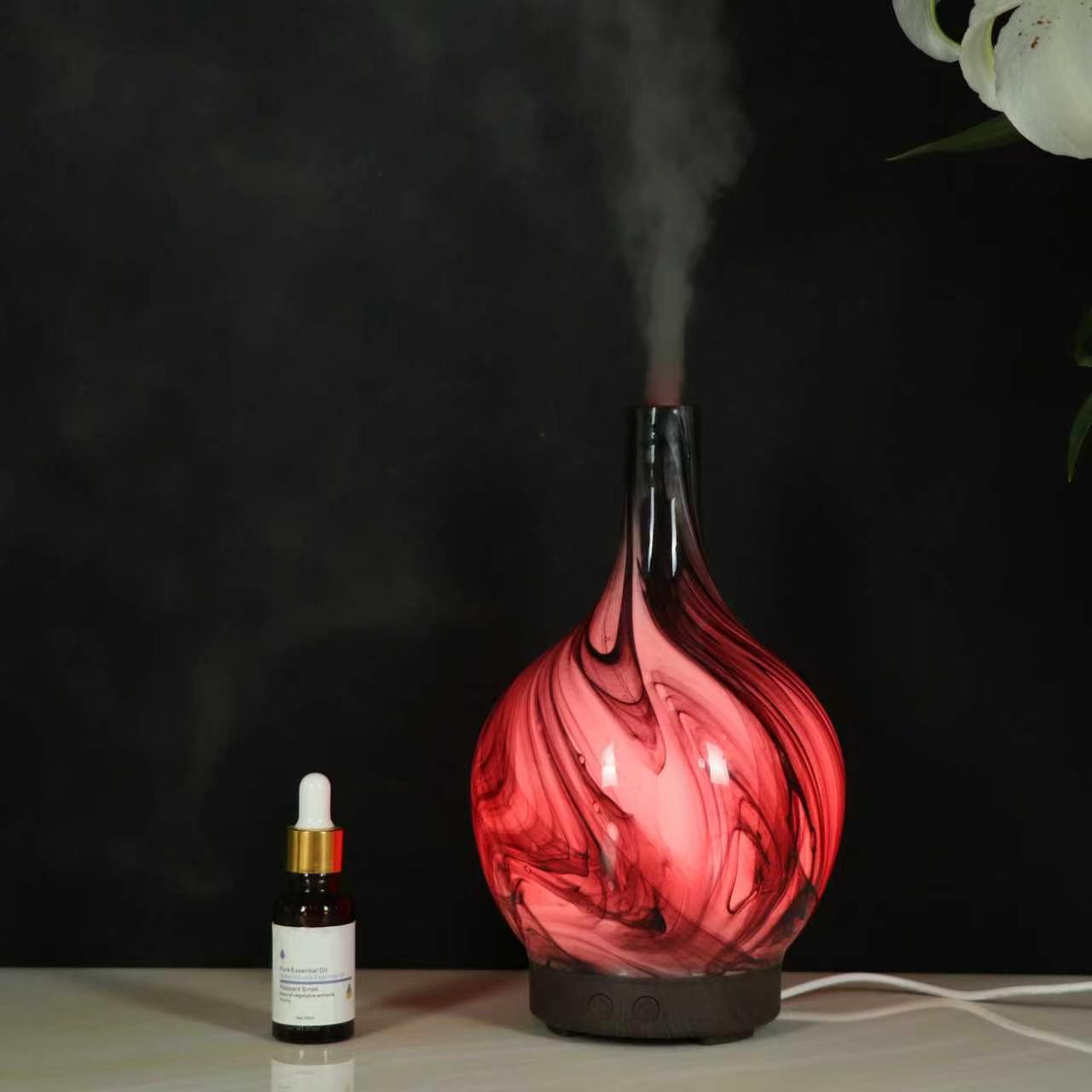
Using a diffuser is one of the simplest ways to enjoy aromatherapy. Simply add a few drops of your favorite essential oil to water in the diffuser and allow the aroma to spread throughout the room. You can also combine multiple essential oils to create your own custom aromatic blend!
There are many different types of diffusers available on the market, including ultrasonic diffusers, nebulizing diffusers, and heat-based diffusers.
If you do not have a diffuser, you can place a few drops of essential oil on a piece of fabric or a cotton ball and inhale the aroma. You can also simply smell the essential oil directly from the bottle.
Aromatherapy Massage
Essential oils used for massage are typically diluted in a carrier oil before being applied topically. Using essential oils during a massage can help create a deeply relaxing atmosphere.
Whether you are receiving a Swedish massage, deep-tissue massage, or gentle lymphatic massage, combining essential oils with specific massage techniques can enhance the overall relaxation and wellness experience.
Common combinations include:
- Lavender + carrier oil
- Frankincense + carrier oil
- Sweet orange + lavender
- Peppermint + lavender
Topical Application
Topical application refers to applying essential oils directly to the skin. However, essential oils are generally diluted with a carrier oil, such as jojoba oil before application. Dilution helps reduce the risk of skin irritation and makes essential oils more suitable for topical use.
For adults, a general essential oil dilution ratio of 1–3% is commonly recommended. Performing a patch test before widespread application is very important to help identify potential skin irritation or other adverse reactions.
Topical application offers a variety of ways to incorporate essential oils into aromatherapy and personal-care routines. Here are some examples:
- Massage oils
- Lotions and skincare products
- Moisturizers
- Bath salts and massage treatments
- Bath bombs
- Shampoos and conditioners
Inhalation
Inhalation is another effective way to use essential oils. Methods include allowing essential oils to evaporate from a cotton ball or using hot or warm water for steam inhalation.
These methods allow you to experience the aroma of essential oils quickly and are particularly useful for supporting emotional relaxation and creating a pleasant breathing environment.
Essential Oil Safety
If you are new to essential oils or aromatherapy, there are several important things to keep in mind to ensure that you use them safely and appropriately.
Essential Oil Dilution Ratio
Proper dilution is key to avoiding skin irritation, the most common adverse reaction to essential oils. It’s recommended to dilute essential oils in a carrier oil before applying them to skin. A general dilution ratio is 1-3% essential oil to carrier oil for most adults. Always perform a patch test before widespread application to check for any adverse reactions.
Skin Sensitivity
Common side effects of essential oil misuse include skin irritation, respiratory issues, headaches, and allergic reactions. To avoid these, use essential oils in a well-ventilated area, avoid applying them to sensitive areas, and start with small amounts.
Photosensitivity
Some oils, like citrus oils, can cause photosensitivity, increasing the risk of sunburn or skin discoloration, so avoid direct sunlight upon sun exposure after applying photosensitive oils.
Children, Pregnancy and Pets
Certain populations need to exercise extra caution when using essential oils. Pregnant women, children, and people with specific health conditions should consult a healthcare professional before using essential oils, and be aware that certain oils can also be toxic to pets.
Storage and Handling
To maintain the quality of your essential oils, it’s crucial to store them in a cool, dark place, away from direct sunlight and heat sources. Using dark glass bottles is recommended as they protect the oils from light degradation. Ensure the bottle caps are tightly sealed to prevent oxidation and contamination.

How to Choose a Quality Essential Oil
For businesses sourcing essential oils for aromatherapy, personal care, home fragrance, or other applications, choosing the right supplier is about more than finding the lowest price. Product consistency, quality documentation, supply capacity, and reliable delivery can all affect your production and long-term business operations.
- Quality and Consistency
- Testing and Documentation
- MOQ and Pricing
- Supply Capacity and Lead Time
- Traceability
- Packaging and Shipping
Choosing an Essential Oil Supplier for Your Business
There is no single essential oil that is the “best” for every aromatherapy application. The right choice depends on the desired aroma, intended application, and overall product quality.
For personal use, factors such as aroma preference and appropriate application are important. For businesses, the selection process goes further. Consistent quality, authenticity, traceability, testing documentation, and reliable supply are essential when developing and sourcing aromatherapy products.
At WJOIL, we understand the importance of reliable essential oil sourcing for businesses. Whether you are an importer, distributor, aromatherapy brand, or private-label business, choosing the right products and a dependable supply partner is an important part of building a successful product line.
FAQ
1.Which essential oils have the strongest aromas?
Peppermint, eucalyptus, lemongrass, cinnamon and clove are often perceived as strong or intense aromas, but perceived intensity varies by oil, concentration and individual sensitivity.
2.What are the best aromatherapy oils for beginners?
Lavender, sweet orange, frankincense, and peppermint are commonly recommended due to their versatility and gentle aroma profiles.
3. Which Essential Oils Have the Strongest Aromas?
Peppermint, eucalyptus, lemongrass, cinnamon, and clove are generally considered to have strong or intense aromas. However, the perceived intensity of an aroma can vary depending on the essential oil, concentration, and individual sensitivity.
4.How can you tell if an essential oil is high quality?
You can know if an essential oil is good quality by checking the label for the plant’s Latin botanical name, ensuring it is packaged in a dark glass bottle, and verifying that the price reflects the high cost of raw plant material.
5.What are some good oils to use in a diffuser?
The right oil to use depends entirely on the type of diffuser you have.
1.Ultrasonic and Nebulizing Diffusers (Water & Electric)
Pure Essential Oils: Use 100% pure therapeutic-grade essential oils like lavender, eucalyptus, or peppermint. Add 5 to 10 drops to the water reservoir.
Cold-Air/Nebulizing Oils: Use the type of oil recommended by the diffuser manufacturer. Nebulizing diffusers are generally designed for undiluted essential oils, while other devices may require water or a specific fragrance formulation.
Do NOT use: Carrier oils (like coconut or almond oil) or thick synthetic perfume oils in water tanks. They will clog and ruin the machine.
2.Reed Diffusers
Carrier Oils + Essential Oils: Mix your essential oils with a lightweight base carrier oil.
Fractionated Coconut Oil: The gold standard because it is clear, odorless, and thin enough to travel up reeds easily.
Sweet Almond Oil or Safflower Oil: Affordable, lightweight alternatives.
Do NOT use: Thick oils like olive oil or heavy mineral oils, as they clog the reeds and block the scent.