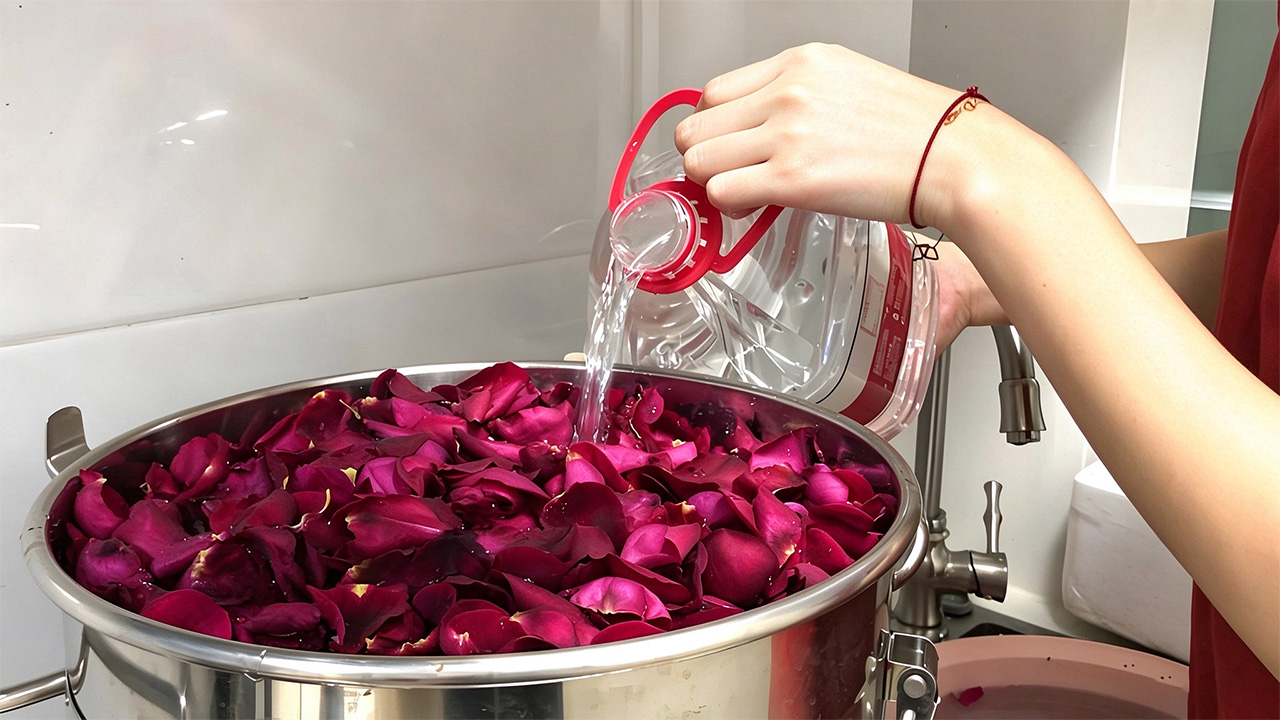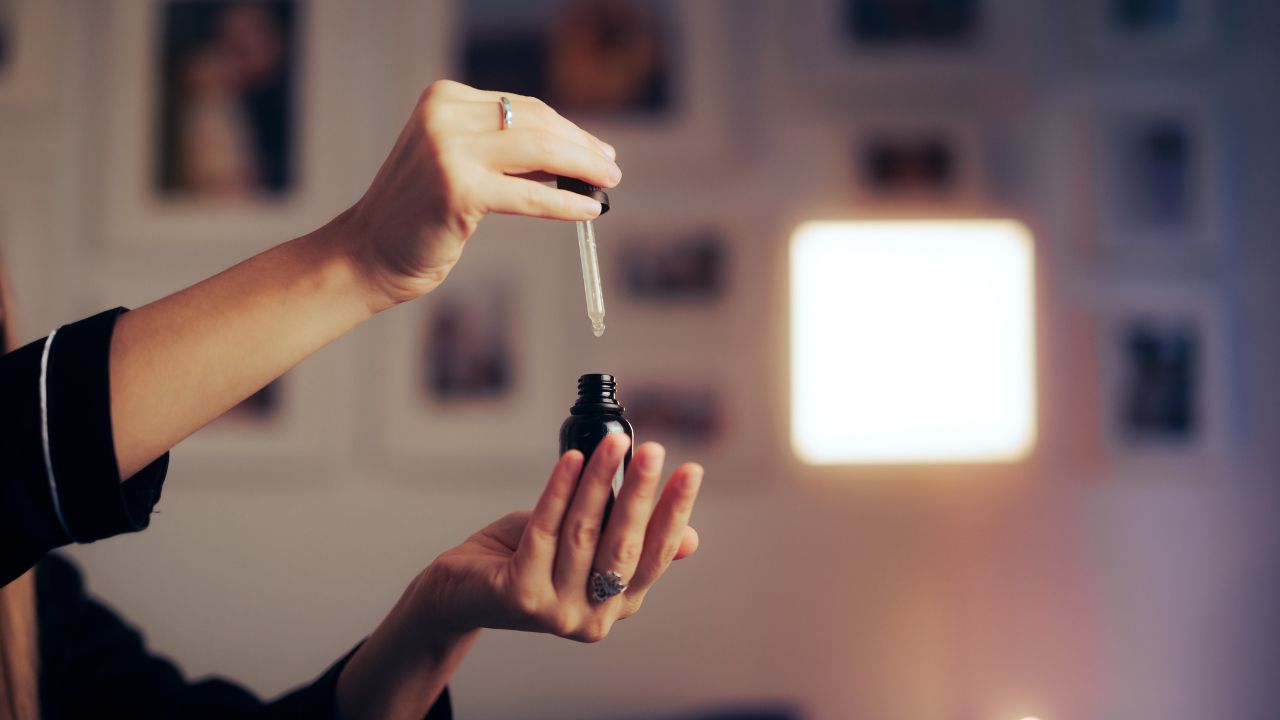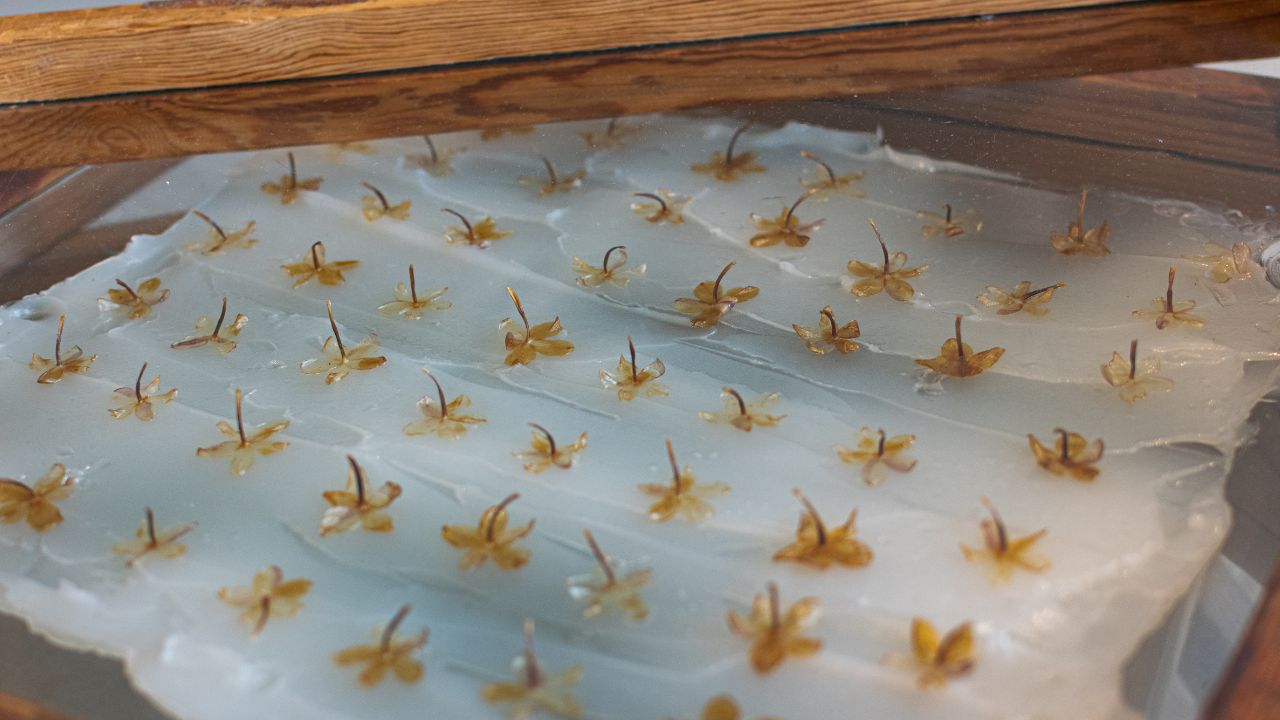
Rose hydrosol is an aromatic liquid obtained through the distillation of roses. This ingredient is commonly used as a botanical ingredient in skincare, personal care, and other water-based products. It provides a delicate floral aroma and a refreshing sensory experience while supporting the overall appearance and feel of the skin.
However, the properties and quality of rose hydrosol can vary depending on factors such as the botanical source, raw material quality, distillation process, composition, microbiological quality, preservation, and storage conditions. This guide introduces the key benefits, properties, uses, applications, and quality considerations associated with rose hydrosol.
What Are the Benefits of Rose Hydrosol?
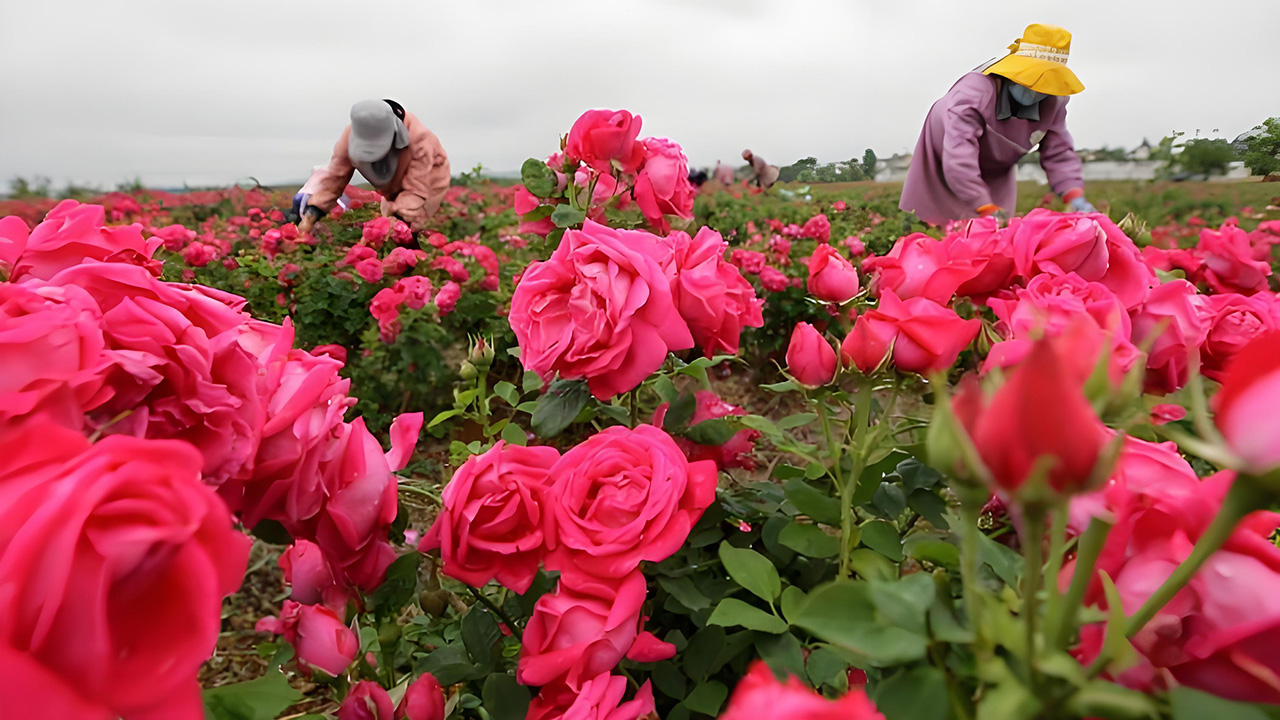
Rosa damascena is one of the most widely recognized botanical sources of rose hydrosol. It has a delicate and appealing aroma and is known for its soothing properties, which may help calm irritated skin and support the skin’s natural pH balance.
Benefits for the Skin
Deep Hydration: As a natural moisturizing ingredient, it helps provide hydration to the skin, leaving it feeling soft, smooth, and refreshed.
Redness Reduction: Its soothing properties may help calm skin irritation and reduce the appearance of redness associated with sensitive or reactive skin.
Antioxidant Protection: Rose-derived compounds may provide water-soluble antioxidants, such as phenolic compounds, which can help protect against oxidative stress and environmental damage.
pH Balance: As a gentle botanical water, rose hydrosol can help refresh the skin and support its natural acid mantle without stripping away its natural oils.
Microbiome Support: Rose-derived compounds may exhibit selective antimicrobial properties that can help inhibit the growth of certain microorganisms. However, the microbiological properties of a finished hydrosol depend on its botanical source, distillation process, preservation system, and storage conditions.
Aromatherapy & Wellness
Promotes Relaxation: Its soft floral aroma may help create a relaxing sensory experience, reduce feelings of tension, and promote a pleasant mood.
Refreshing Hydration: Rose hydrosol can be used as a facial mist throughout the day or before applying a moisturizer to refresh the skin and provide lightweight hydration.
What Are the Properties of Rose Hydrosol?
Water-Based Formula
Oil and water do not naturally mix, so when essential oils are used in lotions or sprays, additional ingredients are generally required to help combine the oil and water phases. Rose hydrosol can be used as a water-based ingredient in DIY cosmetic formulations and can replace part or all of the water phase in certain formulations, depending on the formulation requirements.
Pleasant Aroma
Another benefit of rose hydrosol is its pleasant aroma. It has a soft, delicate floral scent that provides a refreshing sensory experience. Its characteristic floral aroma can create a calming and uplifting atmosphere.
Hydration
Rose hydrosol can help hydrate and refresh the skin. It can be particularly useful in products designed for mature or dry-feeling skin as part of a broader moisturizing routine. Use it as a facial toner or mist together with your preferred moisturizer to help keep the skin feeling fresh and comfortable.
Uses & Applications of Rose Hydrosol
Facial Toner: Spray directly onto clean skin to refresh the face and support the skin’s natural pH balance before applying serums or moisturizers.
Hydrating Mist: Spray onto clean skin or over makeup throughout the day to provide a quick burst of hydration and a refreshing feel.
Soothing Compress: Soak a cotton pad or clean cloth with rose hydrosol and apply it to irritated, red, or sun-exposed skin for a cooling and soothing sensation.
Body & All-Over Mist: Add it to a warm bath or use it as a lightweight natural body mist after showering.
Stress Relief: Inhaling its gentle floral aroma may help promote relaxation, ease feelings of tension, and create a calming sensory experience.
Linen Mist: Spray lightly over pillows, bedding, or room interiors to create a calming atmosphere.
How to Choose the Right Rose Hydrosol
1. Check the Raw Material & Botanical Variety
- Preferred Varieties: Consider recognized botanical sources such as Rosa damascena or high-quality Pingyin rose varieties. Rosa damascena is particularly valued for its distinctive floral aroma and is widely used in cosmetic and personal-care applications.
2. Check the Production Method & Ingredients
- Look for Distillation: A genuine hydrosol should be produced through the distillation of botanical material and should clearly state its ingredients and production method. Depending on the intended application, buyers may prefer products without added alcohol, synthetic fragrance, or parabens.
3. Evaluate the Aroma & Appearance
- Natural Aroma: Genuine rose hydrosol generally has a soft, delicate floral and slightly herbal aroma rather than an overpowering synthetic fragrance. The liquid is typically clear and free from visible impurities, although the exact appearance and color may vary. Some products may have a very light yellow tint.
4. Check the Packaging & Storage
- Light-Protective Packaging: Choose light-protective packaging, such as amber glass bottles, and store the product in a cool, dark place to help reduce degradation.
- Shelf Life Awareness: Shelf life varies by product and depends on factors such as preservation, packaging, microbial quality, and storage conditions. Follow the manufacturer’s recommended shelf life and storage instructions. For opened products, proper handling and storage are particularly important.

FAQ
1. Does rose hydrosol contain essential oil?
Yes, pure rose hydrosol may contain trace amounts of volatile aromatic compounds and very small amounts of rose essential oil alongside water-soluble plant compounds. The exact concentration varies depending on the rose variety, raw materials, distillation process, and collection method.
2. Is rose hydrosol safe for all skin types?
Rose hydrosol may be suitable for many skin types, including dry, oily, combination, and mature skin. However, it is not universally suitable for everyone. People with sensitive or reactive skin should check the ingredient list and patch-test the product before regular use.
3. Is rose hydrosol suitable for sensitive skin?
Rose hydrosol may be suitable for sensitive skin, but it is not universally suitable for everyone. Natural aromatic compounds can cause irritation or allergic reactions in some individuals. People with sensitive or reactive skin should patch-test the product and follow the manufacturer’s ingredient and safety recommendations.
4. What is the difference between rose hydrosol and rose water?
Rose hydrosol is the aqueous aromatic distillate obtained during the steam or hydro-distillation of rose flowers. The term “rose water” is broader and may refer to products made through different processes, including distilled rose water, diluted rose extracts, or water blended with rose-derived ingredients or fragrance. Always check the ingredient list and manufacturing information to understand what a specific product contains.
5. What are the benefits of rose hydrosol for hair?
Rose hydrosol can be used as a lightweight hair and scalp mist to refresh the scalp, provide light hydration, and leave a delicate floral aroma without adding the weight of an oil-based product.
6. What are the benefits of rose hydrosol on the face?
Rose hydrosol can provide lightweight hydration, refresh the skin, and support a comfortable skin feel. It can be used as a facial toner or mist as part of a daily skincare routine.
7. How to use rose hydrosol?
You can use rose hydrosol as a gentle facial toner, hydrating mist, or soothing compress as part of your daily skincare routine. It can also be incorporated into suitable cosmetic and personal-care formulations.
8. How long does rose hydrosol last?
The shelf life of rose hydrosol varies depending on its preservation system, packaging, microbial quality, and storage conditions. Follow the manufacturer’s recommended shelf life and storage instructions. Preservative-free products may require additional care and may have a shorter shelf life after opening.
9. Is rose hydrosol good for sensitive skin?
Rose hydrosol may be suitable for sensitive skin because of its gentle, water-based nature and potential soothing properties. However, natural aromatic compounds may cause irritation or allergic reactions in some individuals. Patch testing is recommended before regular use, particularly for sensitive or reactive skin.
10.What Factors Affect the Quality of Rose Hydrosol?
The quality of rose hydrosol is determined by rose variety, freshness, growing conditions, and harvest time, as well as distillation method, temperature, pressure, and collection process. Authentic hydrosol should be produced by real distillation rather than blended with essential oil or fragrance. Its final quality also depends on proper pH, cool and dark storage, sealed packaging, and strict microbiological control.
Conclusion
If you are looking for rose hydrosol for cosmetic or personal-care formulations, our team can provide product specifications, technical documentation, COA, and bulk purchasing information, as well as support based on your formulation and application requirements. Contact our team to learn more about our rose hydrosol.