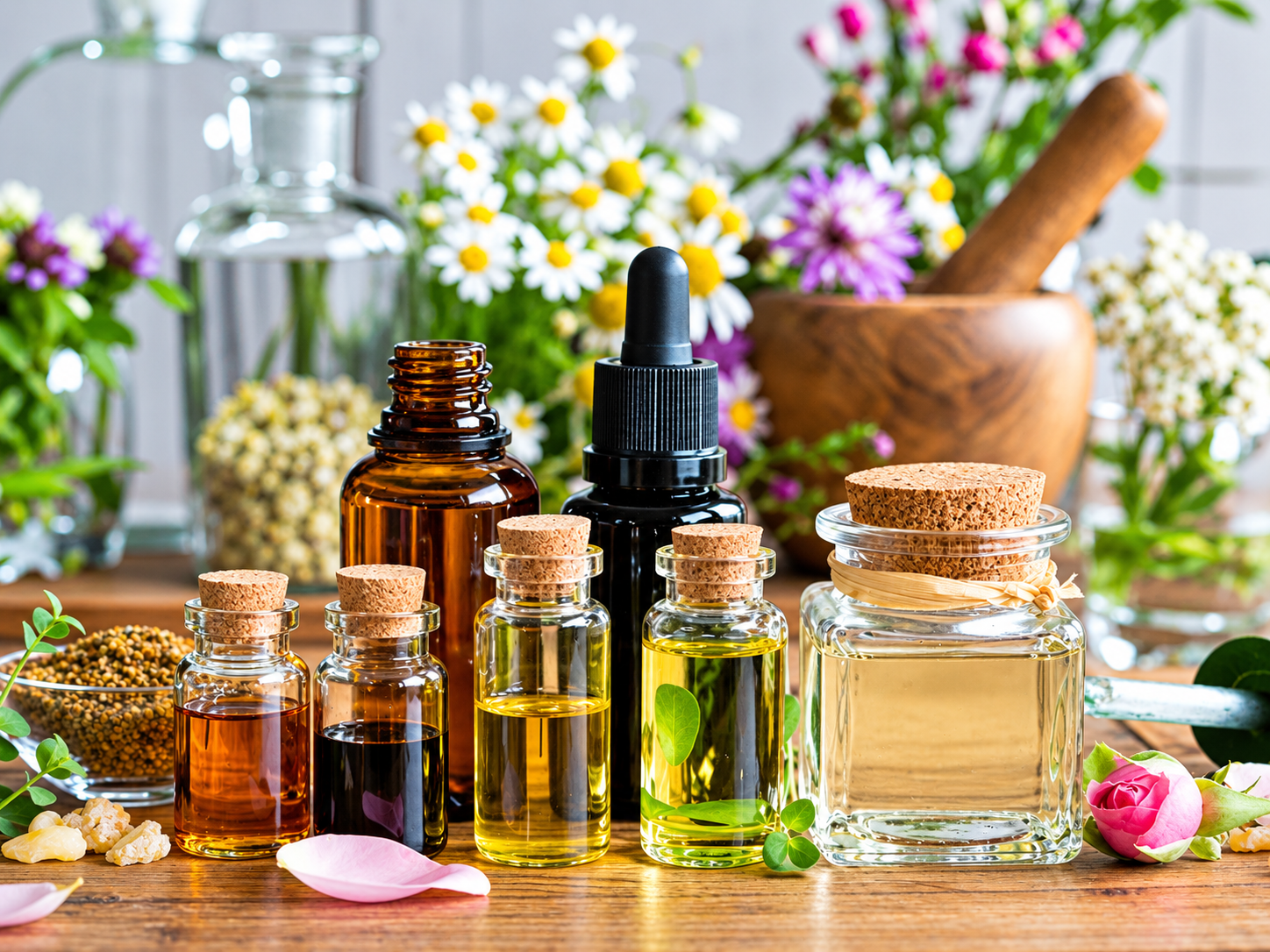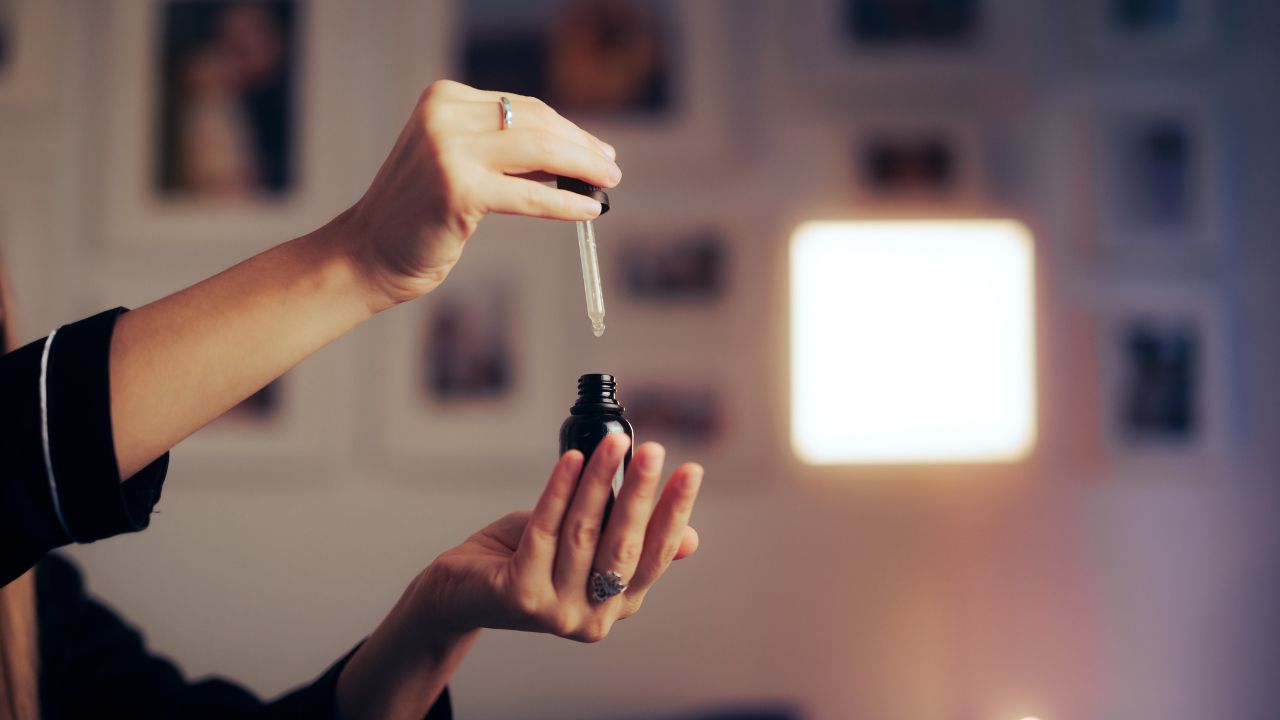
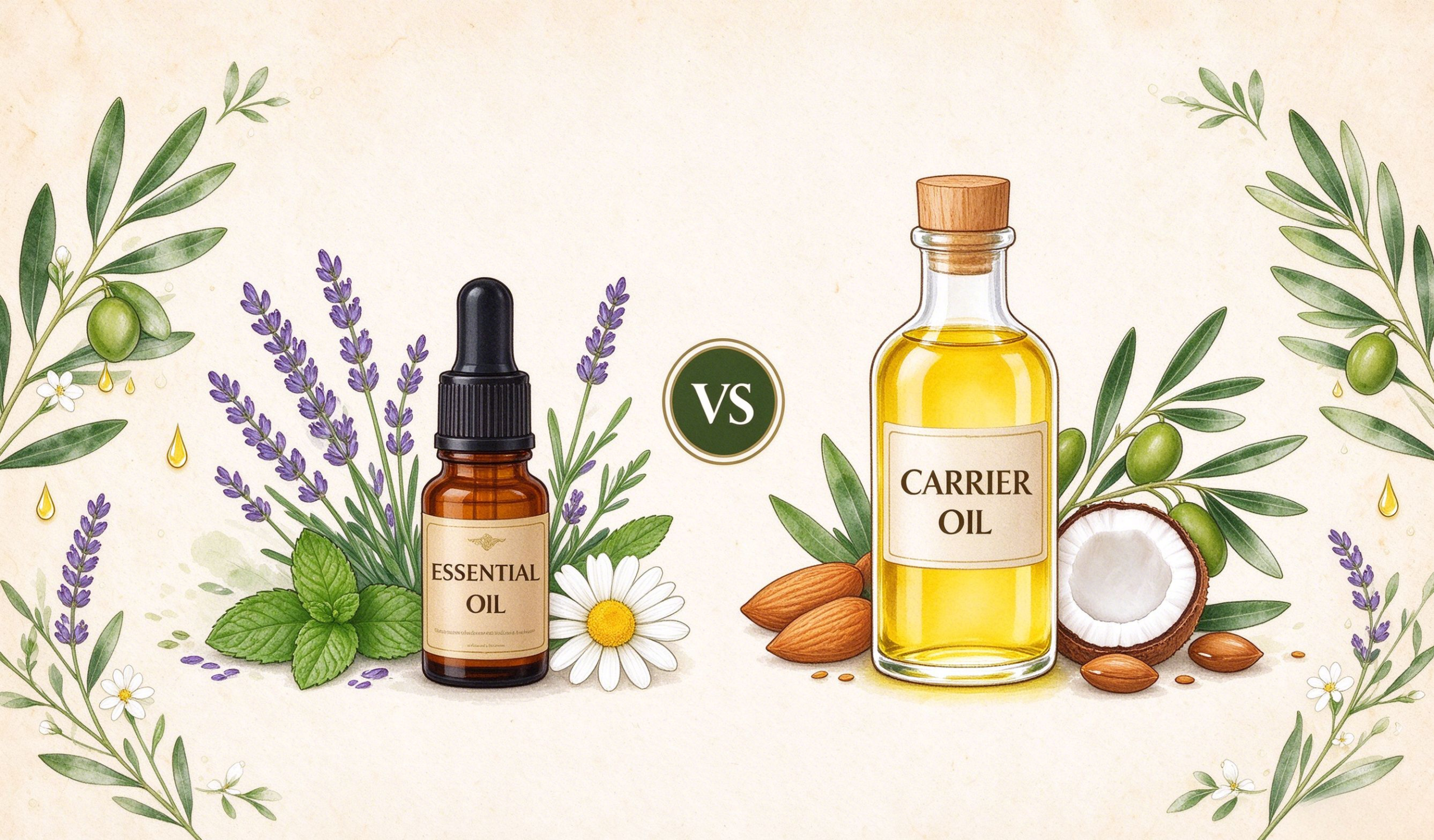
In the world of natural skincare and aromatherapy, understanding what is the difference between essential oils and carrier oils is important. Both types of oils offer numerous benefits, but they serve distinct purposes. This blog will explore carrier oil vs essential oil, detailing their differences
What Are Essential Oils?
Essential oils are concentrated, aromatic liquids extracted from plants. Known for their strong fragrances and therapeutic properties, these oils are derived from various parts of a plant, including flowers, leaves, stems, and roots. They contain the plant’s essence, which carries the scent and unique health benefits associated with it.
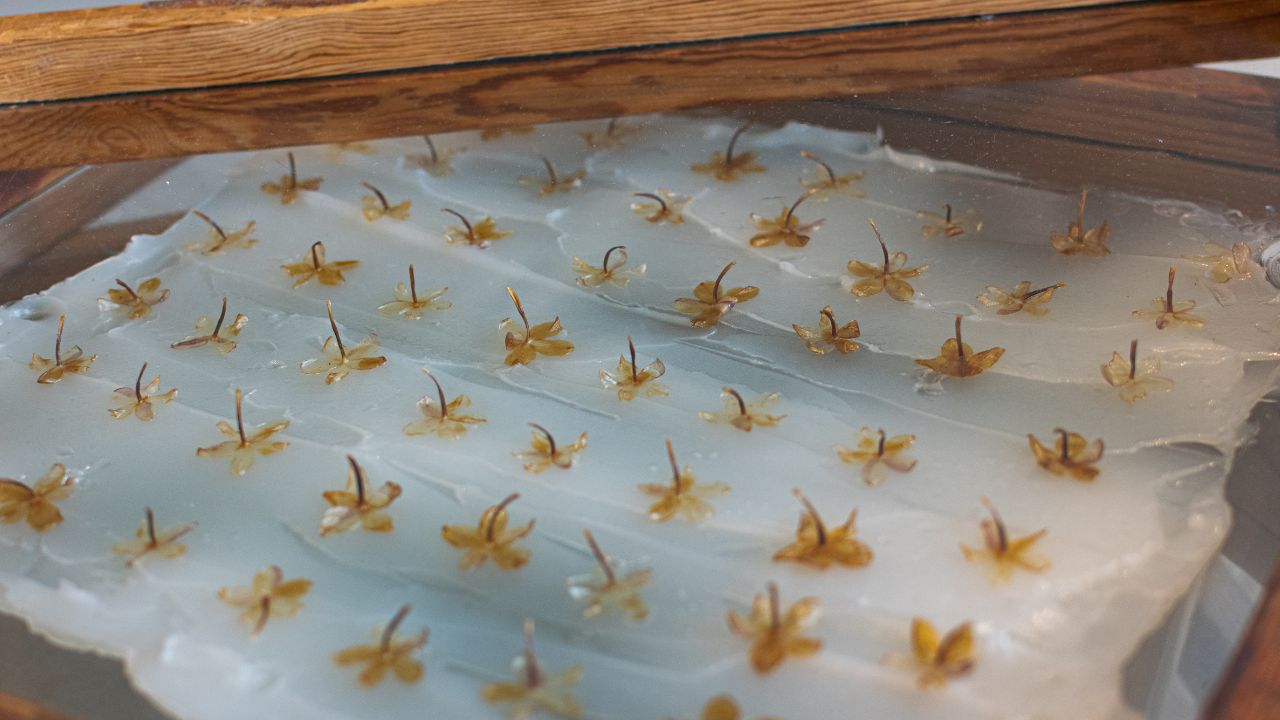
Extraction Methods The most common methods for extracting essential oils include steam distillation, cold pressing, and solvent extraction.
- Steam distillation is the most popular method, where steam is used to separate the essential oil from the plant material.
- Cold pressing involves mechanically pressing the plant to release the oil, commonly used for citrus oils like orange or lemon.
Common Uses of Essential Oils Essential oils are popular in aromatherapy, where they are used to promote relaxation, improve mood, and treat various health concerns. They are also added to skincare products for their antimicrobial, anti-inflammatory, and soothing properties. Some essential oils, like peppermint or eucalyptus, are known for their respiratory benefits when inhaled or applied topically.
What Are Carrier Oils?
Carrier oils, also known as base oils, are derived from the seeds, nuts, or kernels of plants. Unlike essential oils, carrier oils do not evaporate or possess a strong fragrance, making them ideal for diluting essential oils. They serve as a “carrier” to help spread essential oils over a large area of the skin without causing irritation.
How Carrier Oils Are Derived Carrier oils are usually extracted through cold pressing, where the oil is mechanically pressed from the seeds or nuts. This method helps retain the oil’s essential nutrients, including vitamins, minerals, and fatty acids, which are beneficial for skin and hair health.
Common Uses of Carrier Oils Carrier oils are widely used in skincare for moisturizing, nourishing, and soothing the skin. They are also used in massage therapy and are vital for diluting essential oils for topical use. Each carrier oil offers unique benefits depending on its nutrient composition, such as antioxidants, vitamins, or fatty acids.
Comparison Table
| Factor | Essential Oils | Carrier Oils |
| Nature | Volatile aromatic extracts | Non-volatile fixed oils |
| Common plant sources | Flowers, leaves, peels, roots, wood, etc. | Seeds, nuts, fruits, kernels, etc. |
| Volatility | High | Low |
| Aroma | Usually strong | Usually mild |
| Main role | Aroma / concentrated botanical ingredient | Base / dilution / emollient |
| Common extraction | Steam distillation, expression, CO₂, etc. | Pressing, extraction, refining |
| Typical use level | Usually relatively low | Often used as a base |
| Common applications | Aromatherapy, fragrance, cosmetics, personal care | Skincare, massage, cosmetics |
| Can be used together? | Yes | Yes |
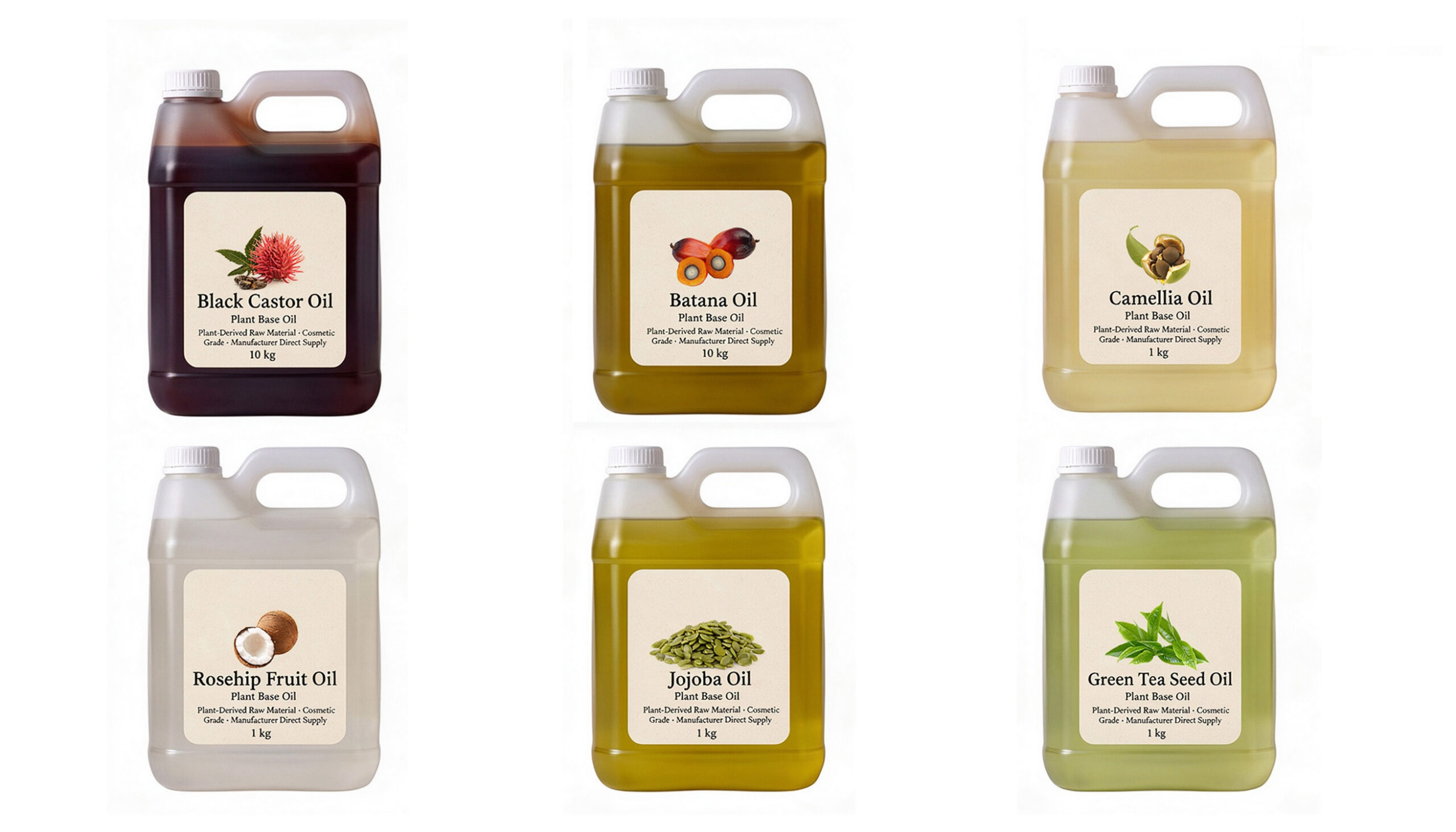
Difference between Essential Oils and Carrier Oil
Though both essential oils and carrier oils have distinct purposes and functions, both these oils play a crucial part when we talk about the health and beauty industry. So, understanding the key differences between these two kinds of oils is important for utilising the resources and maximising benefits from them.
The choice between essential oils and carrier oils entirely depends on the type of result you wish to achieve. If you want strong and unique aromatic results, essential oils will be the right choice. However, they must be diluted with carrier oils before applying directly to the skin. Carrier oils can be a great choice if you require gentle application with some pre-defined benefits. Depending upon your skin’s sensitivity and the type of oil you use, it’s important to use a drop or two of essential oil for every tablespoon of carrier oil.
Composition
- Carrier Oils: Rich in fatty acids, vitamins, and minerals, carrier oils are generally thicker and less volatile than essential oils.
- Essential Oils: Composed of volatile compounds, essential oils are highly concentrated and have potent aromas.
Usage
- Carrier Oils: Used to dilute essential oils, making them safe for skin application. They can also be used alone for their moisturizing properties.
- Essential Oils: Used for their therapeutic properties in aromatherapy, skincare, and hair care but must be diluted with a carrier oil before application.
Application
- Carrier Oils: Applied directly to the skin or hair, either alone or mixed with essential oils.
Carrier
- Essential Oils: Applied to the skin only when diluted with a carrier oil. They can also be used in diffusers for aromatherapy.
Stability
- Carrier Oils: Generally stable and have a longer shelf life. They do not evaporate as quickly as essential oils.
- Essential Oils: More volatile and can evaporate quickly. They require proper storage to maintain their potency.
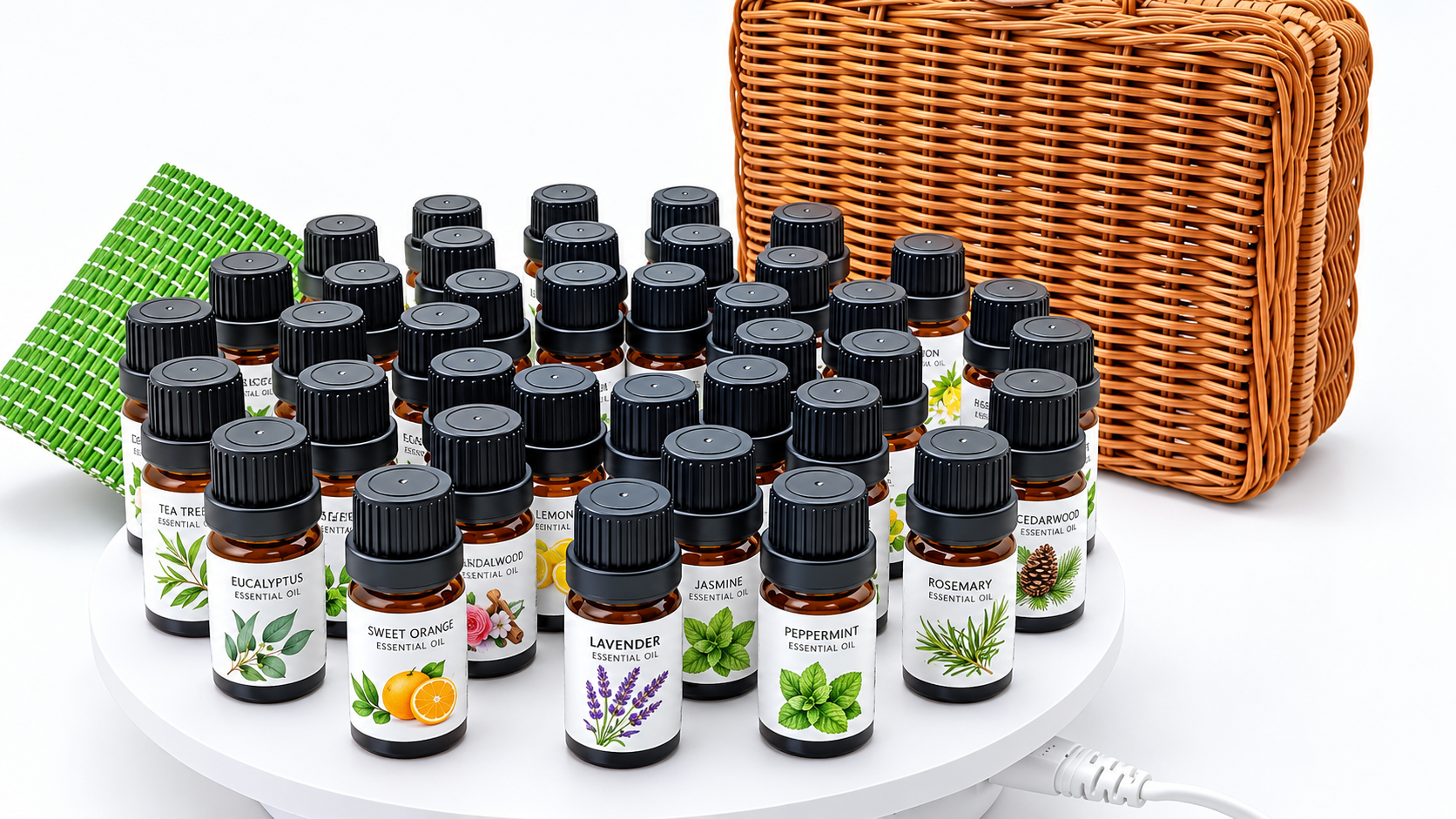
How to Choose the Right Oils
For Skincare
- Carrier Oil: Select based on the skin concern you want to address .For example, jojoba oil is great for oily skin, while sweet almond oil is ideal for dry skin.
- Essential Oil: Select based on the skin concern you want to address. For instance, tea tree oil for acne or lavender oil for soothing irritated skin.
- For Dilution and Application: Choose a carrier oil based on the intended application and the properties you want in the final formulation . Common options include coconut oil for dry skin and grapeseed oil for oily skin.
For Haircare
- Carrier Oil: Select oils like coconut or argan oil for their deep conditioning properties.
- Essential Oil: Use oils like rosemary or peppermint oil for stimulating hair growth and improving scalp health.
What Should Buyers Consider When Sourcing Essential Oils and Carrier Oils?
When purchasing essential oils or carrier oils, several factors need to be considered: When purchasing essential oils or carrier oils, several factors need to be considered: the intended application, the benefits you hope to achieve, and any allergies or sensitivities you may have.. For example, lavender oil and jojoba oil work well for sensitive skin, while peppermint oil and grapeseed oil are suitable for oily or acne-prone skin.
Popular Blends
- Calming blend: Lavender + Chamomile in Jojoba Oil
- Energizing blend: Peppermint + Lemon in Grapeseed Oil
- Skin repair: Tea Tree + Frankincense in Sweet Almond Oil
How to Choose an Essential Oil Supplier
Choosing a reliable essential oil supplier requires evaluating Purity Standards, transparency, and documentation rather than relying on price alone.
Purity and Testing: Look for 100% pure oils backed by third-party testing, such as batch-specific Gas Chromatography-Mass Spectrometry (GC/MS) reports and Certificates of Analysis (CoA).
Sourcing Transparency: Reputable suppliers clearly state the botanical name, country of origin, cultivation type (organic or wildcrafted), and ethical harvesting practices.
Extraction Methods: Ensure oils are properly extracted via steam distillation or cold pressing to preserve natural properties.
Business Terms and Scale: Check for minimum order quantities (MOQ), lead times, sample availability, and custom packaging flexibility that matches your volume needs.
FAQ
1.What can I use as a carrier oil for essential oils?
You can use pure, plant-based vegetable oils like Jojoba Oil, fractionated coconut oil, or sweet almond oil as a carrier oil to safely dilute essential oils.
2.Are essential oils the same as face oils?
No. Face oils are typically carrier oils. Essential oils are concentrated aromatic extracts.
3.Can You Use Essential Oils Without a Carrier Oil?
For topical use, essential oils should generally be appropriately diluted in a suitable carrier or formulation base. Essential oils may also be used through other routes, such as diffusion, where carrier oil dilution is not applicable. Safety depends on the oil, concentration, application method, and user.
4. How long do essential oils and carrier oils last after opening?
The shelf life of an oil depends on its type, quality, processing method, packaging, and storage conditions. Essential oils can remain usable for several years, while many carrier oils have shorter shelf lives because their fatty acids can oxidize over time. Always check the supplier’s recommended shelf life and monitor the oil for changes in aroma, appearance, or texture after opening.
5. How should essential oils and carrier oils be stored?
Both essential oils and carrier oils should generally be stored in a cool, dry place away from direct sunlight and excessive heat. Essential oils are commonly stored in tightly closed, light-protective containers, while carrier oils should also be protected from heat, light, and prolonged exposure to air. Proper storage can help slow oxidation and preserve the quality of the oils.
6. What happens if you use essential oil without diluting it?
Applying undiluted essential oils directly to the skin may increase the risk of irritation, sensitization, or other adverse skin reactions. The appropriate dilution depends on the specific essential oil, intended application, user, and formulation. For topical use, essential oils should generally be diluted with a suitable carrier oil and used according to established safety guidelines.
7.Can You Use Essential Oils and Carrier Oils Together?
Yes, For topical applications, essential oils are generally diluted in a suitable carrier or formulation base.
Since everyone’s skin is different, there’s no one-size-fits-all approach when it comes to what essential oils and carrier oils to use. Having said that, there are two good rules of thumb to follow: First is always, always patch test essential oils to make sure they won’t irritate your skin.
Second– begin with a 1% dilution ratio. That means for every 99% of carrier oil, you have 1% of essential oil. That translates to about 6 drops of essential oil for every ounce of carrier oil. Once you’ve spot tested and found this low dilution won’t mess with your skin, you can add a bit more until you find what works for you.
Conclusion
Understanding the carrier oil and essential oil difference is key to effectively using them in your skincare and haircare routines. Carrier oils provide the necessary dilution and added benefits for safe and effective use of essential oils. By choosing the right combination of oils, you can enhance your beauty regimen naturally and safely.
At WJOIL, we supply a wide range of essential oils and carrier oils for brands, formulators, and manufacturers. Whether you need samples, bulk oils, or product specifications for your next project, our team is ready to help you find the right solution. contact our team.