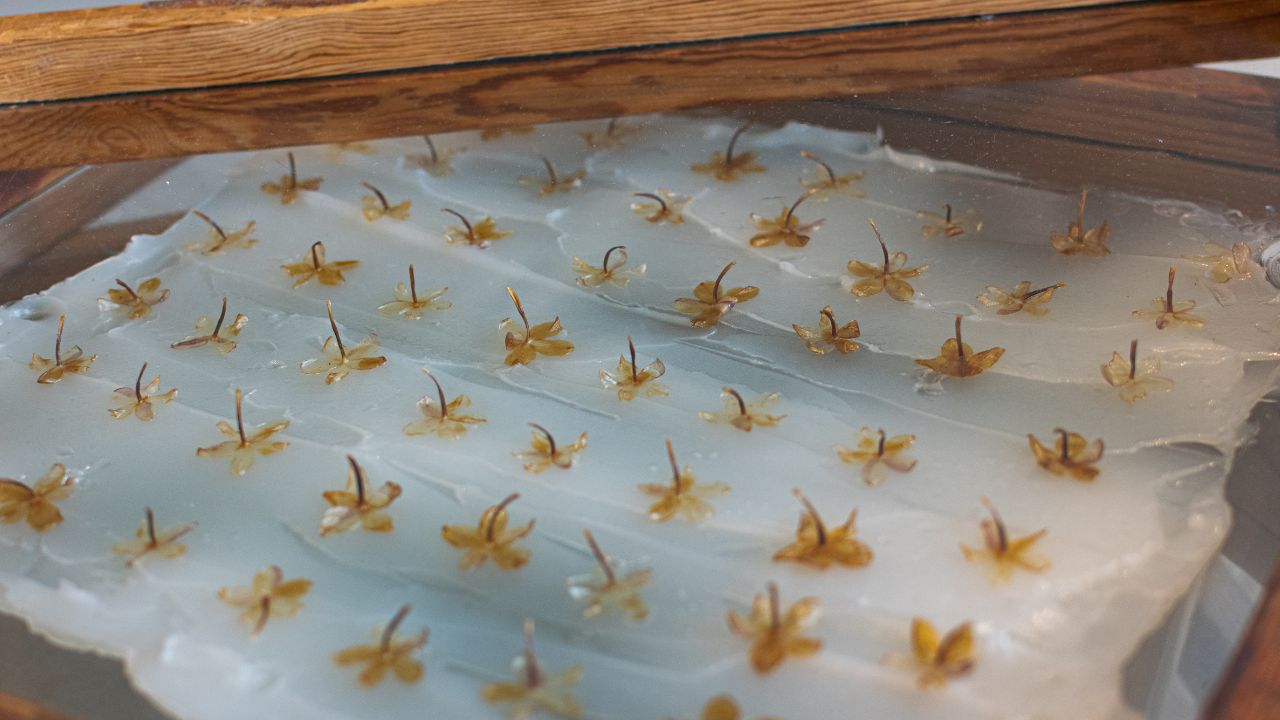
What Are the Main Types of Essential Oils?
Essential oils are commonly grouped by botanical source, aromatic profile, and commercial application. Common categories include floral, citrus, herbal, woody, spicy, and resinous oils. For importers and wholesale buyers, the right selection also depends on botanical identity, plant part, extraction method, quality specifications, intended use, and supply consistency.
In this guide, we explore the main types of essential oils, their key characteristics, common commercial applications, and the factors buyers should consider when evaluating product quality and sourcing essential oils in bulk.
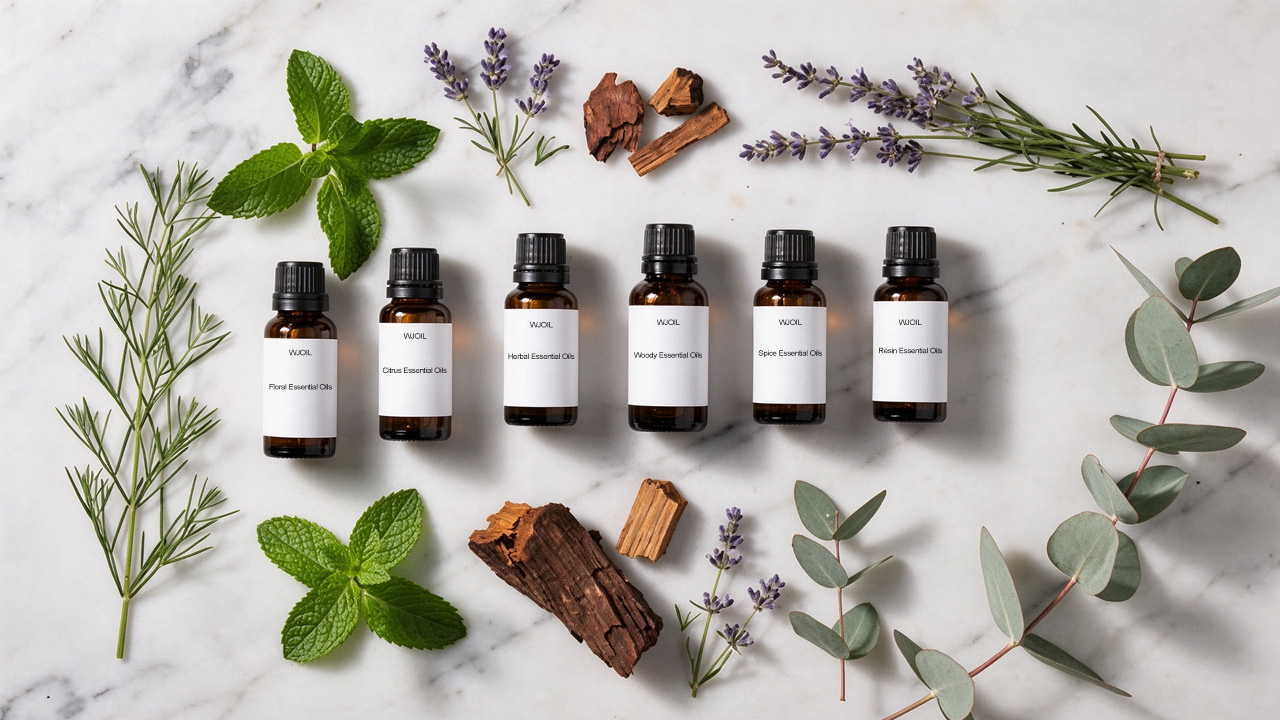
Essential Oil Types Classification
| Essential Oil Type | Examples | Plant Part / Method | Typical Characteristics | Buyer Considerations |
| Floral Essential Oils | Lavender, Geranium, Ylang Ylang | Flowers or other specified parts; method varies | Floral aroma profiles | Aroma profile, botanical identity, batch consistency |
| Citrus Essential Oils | Sweet Orange, Lemon, Bergamot | Often expressed from peel; some products are distilled | Fresh, citrus-like profiles | Extraction method, oxidation, phototoxicity where relevant |
| Herbal Essential Oils | Peppermint, Rosemary, Thyme | Leaves or aerial parts; method varies | Herbal, green or minty profiles | Chemotype where relevant, composition, specifications |
| Woody Essential Oils | Cedarwood, Sandalwood | Wood or other specified parts | Woody, dry or balsamic profiles | Exact species, source, traceability, sustainability |
| Spice Essential Oils | Clove, Cardamom, Black Pepper | Buds, leaves, seeds, fruits or other specified parts | Warm, spicy or pungent profiles | Plant part, composition, aroma intensity, intended use |
| Resin Essential Oils | Frankincense, Myrrh | Resin-derived material; product and process vary | Resinous, balsamic profiles | Botanical source, origin, product identity, supply |
Floral Essential Oils
Floral essential oils are valued for their distinctive floral aromas and are widely used in perfumery, personal care, and fragrance formulations. Common examples include lavender, geranium, and ylang ylang. Extraction methods vary depending on the plant material. Lavender and ylang ylang essential oils are typically obtained through steam distillation, while some delicate flowers are processed using solvent extraction to produce aromatic extracts. The aroma and characteristics of floral materials depend on the botanical species, plant part, and extraction method. When comparing products, you should consider botanical identity, aroma consistency, seasonal availability, and the differences between individual essential oils.
Citrus Essential Oils
Citrus essential oils are known for their fresh, bright, and often fruity aromas. They are widely used in fragrance compositions, personal care products, home care formulations, and other applications requiring citrus scents. Common examples include sweet orange, lemon, and bergamot. Many citrus peel oils are produced through expression, commonly referred to as cold pressing, while certain citrus oils are obtained through distillation. These methods can affect the chemical composition and aroma of the oils. When comparing citrus oils, you should consider the exact botanical identity, extraction method, oxidation stability, and storage requirements.
Herbal Essential Oils
Herbal essential oils are associated with fresh, green, earthy, or camphoraceous aromas. They are widely used in perfumery, personal care, home care, and other formulations. Common examples include rosemary (Salvia rosmarinus), which is typically associated with fresh herbal and camphoraceous aromas, and thyme (Thymus vulgaris), which typically has a stronger, more pungent herbal aroma. Their chemical composition may vary depending on botanical identity, plant part, growing conditions, harvest time, and extraction process. When you purchase these oils wholesale, confirming the botanical name, plant part, and relevant chemotype is particularly important, as these factors affect product composition and suitability for specific formulations.
Woody Essential Oils
Woody essential oils are valued for their dry, warm, earthy, or balsamic aromas and are widely used in perfumery and fragrance blends, as well as in selected personal care formulations. Cedarwood oil is commonly associated with dry, earthy, and sometimes pencil-like woody notes, while sandalwood oil is known for its softer, creamier, and smoother aroma. These differences allow woody oils to add depth and warmth to fragrance compositions. The characteristics of woody oils depend on the botanical species, plant material, and extraction method. When comparing suppliers, you should confirm the botanical name, plant part, extraction method, and relevant quality specifications.
Spice Essential Oils
Spice essential oils are derived from aromatic spices and are known for their warm, sweet, pungent, peppery, or intensely spicy aromas. They are suitable for fragrance compositions, personal care products, permitted flavor-related applications, and other industrial formulations. Common examples include clove (Syzygium aromaticum), cardamom (Elettaria cardamomum), black pepper (Piper nigrum), and cinnamon (Cinnamomum species). The plant part used can significantly influence the composition and aroma of spice essential oils. For example, clove bud oil and clove leaf oil may have different chemical compositions, while cinnamon bark oil and cinnamon leaf oil may differ in their major constituents. Extraction methods and botanical species can also affect the characteristics of the final product. When purchasing these oils, you should confirm the botanical identity, plant part, and extraction method rather than relying solely on the common product name.
Resin Essential Oils
Resinous essential oils are obtained from aromatic resin-producing plants and are known for their rich, balsamic, woody, earthy, or slightly spicy aroma profiles. They are used in perfumery, fragrance blends, personal care products, and other formulations that require their distinctive aromatic characteristics. Common examples include frankincense (Boswellia species), which is often associated with fresh, woody, and resinous notes, and myrrh (Commiphora species), which typically has a deeper, earthier, balsamic profile. Their characteristics vary depending on the botanical species, geographical origin, raw material quality, and extraction process. It is also important to distinguish essential oils from related materials such as oleoresins, resin extracts, and resinoids, which may differ in composition and processing methods. When comparing suppliers, you should confirm the exact product type and botanical source.

Commercial Applications of Different Essential Oil Types
Different types of essential oils have different commercial applications. Floral, citrus, herbal, woody, spicy, and resinous oils each have distinctive aromatic characteristics, making them suitable for different fragrances and finished products.
Essential Oils for Fragrance and Perfumery
In the fragrance and perfumery industry, different essential oil types are used to create a wide range of scent profiles. Floral essential oils, such as rose, geranium, and ylang ylang, are commonly used in floral and floral-oriental fragrances. Citrus oils, including bergamot, lemon, and sweet orange, contribute fresh, bright notes, while woody oils such as cedarwood provide dry, warm, and earthy character. Spicy oils like clove and cardamom, along with resinous oils such as frankincense, can add warmth, richness, and complexity to fragrance compositions.
Essential Oils for Cosmetics and Personal Care
In cosmetics and personal care manufacturing, essential oils are used in products such as soaps, shampoos, body washes, lotions, creams, and other scented personal care items. Floral oils, including lavender and geranium, are popular choices for floral-scented products. Citrus oils can provide fresh, fruity aromas, while peppermint and rosemary are often selected for their fresh, herbal scent profiles. Woody and resinous oils may also be incorporated into products designed around warm, earthy, or more complex fragrance themes.
The essential oil types used vary according to the character of the finished product. For example, a citrus-scented body wash may use sweet orange or lemon oil, while a herbal shampoo may feature rosemary oil or peppermint oil. The suitability of each oil depends on the specific formulation and applicable requirements for the intended cosmetic product.
Essential Oils for Home Care and Cleaning Formulations
For home care and cleaning products, citrus oils such as lemon and sweet orange are commonly associated with the fragrances of household cleaners and dishwashing products. Peppermint and eucalyptus can provide fresh, cooling aromas, while pine and cedarwood are used in products with green, woody, or outdoor-inspired scents.
These essential oil types can be incorporated into household cleaning products, laundry care products, dishwashing liquids, and air freshener formulations.
Essential Oils for Diffusers and Candle Making
For diffuser products and scented candles, essential oil selection depends largely on the atmosphere the finished product is intended to create. Lavender and ylang ylang are examples of floral essential oils, while sweet orange, lemon, and bergamot offer bright citrus aromas. Peppermint and eucalyptus provide fresh, herbal characteristics, while cedarwood, frankincense, and other woody or resinous oils can deliver deeper, warmer scents.
Different categories can also be combined to create more complex aromas, such as citrus and herbal blends, floral and woody combinations, or warm, spicy and resinous compositions.
How to Compare Essential Oil Types When Purchasing
| Comparison Factor | What Buyers Should Check | Why It Matters |
| Botanical identity | Species, plant part, relevant synonyms | Avoids selecting the wrong material |
| Extraction method | Distilled, expressed, or other method | Different processes can affect composition |
| Aroma profile | Characteristic aroma and sample consistency | Supports formulation requirements |
| Quality specifications | Applicable physical and chemical parameters | Establishes measurable acceptance criteria |
| Documentation | Batch COA, relevant analytical reports, SDS | Supports quality and safety review |
| Intended use | Product category and target market | Determines relevant technical and regulatory requirements |
| Supply reliability | Availability, lead time, repeat-batch consistency | Reduces production interruptions |
| Total cost | Unit price, packaging, freight and other costs | Enables a more realistic purchasing comparison |
FAQ:
1. What Is the Difference Between an Essential Oil and a Fragrance Oil?
Essential oils are aromatic materials obtained from plants through processes such as distillation or expression. Fragrance oils are formulated aromatic products that may contain synthetic fragrance compounds, natural aromatic ingredients, or a combination of both to create or reproduce specific scents.
2. What Is the Difference Between Essential Oils and Absolutes?
The main difference between essential oils and absolutes is the extraction method, which affects their aromatic profiles, consistency, and applications.
Essential oils are commonly obtained through distillation or expression, while absolutes are typically produced through solvent extraction followed by further processing to remove the solvent.
3. Why Do Essential Oils Vary in Color, Aroma, and Consistency Between Batches?
Essential oils can vary in color, aroma, and consistency between batches because they are natural agricultural products rather than fully standardized synthetic chemicals.
Quality control methods include agreeing on specification ranges, reviewing batch COAs, comparing GC-MS analytical results where appropriate, evaluating key constituents and sensory characteristics, and establishing retained-sample and change-management procedures. GC-MS results should be assessed alongside appropriate reference standards and other quality indicators; a single report cannot guarantee authenticity on its own.
4. What Is the Difference Between Essential Oils, Carrier Oils, and Fixed Oils?
Essential oils, carrier oils, and fixed oils differ primarily in their sources, chemical composition, stability, and behavior on the skin.
Essential oils are concentrated aromatic materials, while carrier oils and other fixed oils are generally nonvolatile oils composed mainly of lipids. Carrier oils are commonly used to dilute essential oils for appropriate applications.
5. What Is the Difference Between Distilled and Cold-Pressed Essential Oils?
The main differences between distilled and cold-pressed essential oils involve the extraction method, the plant parts used, and their chemical characteristics.
Distilled oils are obtained through distillation, typically using steam, while cold-pressed oils are commonly produced by mechanically expressing aromatic oils from citrus peels. These processes can result in different chemical compositions and aroma profiles.
6. What Is the Best Type of Essential Oil for Diffusers?
The best type of essential oil for a diffuser depends on the desired aroma intensity and whether you prefer a simple, low-maintenance fragrance or a more versatile aromatic experience.
Lavender is a popular floral option, sweet orange and lemon provide fresh citrus notes, peppermint offers a cooling herbal aroma, and cedarwood creates a warm, woody atmosphere. Always follow the diffuser manufacturer’s instructions and the relevant safety guidance for the selected oil.
7. What Is the Difference Between Floral, Citrus, Herbal, Woody, Spicy, and Resinous Essential Oils?
Floral, citrus, herbal, woody, spicy, and resinous essential oils differ in their botanical sources, aromatic characteristics, volatility, fragrance-note profiles, and common applications in perfumery and aromatherapy-related products.
Floral oils are typically associated with soft, flower-like aromas; citrus oils with fresh, bright notes; herbal oils with green or minty characteristics; woody oils with dry, earthy notes; spicy oils with warm, pungent aromas; and resinous oils with rich, balsamic profiles.
8. How Does the Extraction Method Affect Essential Oil Type and Aroma?
The extraction method can influence an essential oil’s chemical composition, aromatic profile, purity, and potential exposure to heat or other processing conditions.
Steam distillation, expression, and other extraction methods can produce different aromatic characteristics, even when the starting materials are related. The appropriate method depends on the botanical material and the intended product specifications.
9. Why Can Essential Oils from the Same Plant Species Have Different Compositions?
Essential oils from the same plant species can have different chemical compositions because of variations in chemotype, environmental conditions, genetics, epigenetic factors, harvest timing, and processing methods.
These factors can affect the relative proportions of individual constituents and may influence the aroma, quality specifications, and suitability of the oil for particular applications.
10. What Types of Essential Oils Are Available for Bulk Purchase?
A wide range of pure, natural, and certified organic essential oils may be available for bulk and wholesale purchase, depending on the supplier and product specifications. Packaging options can range from small wholesale bottles to large industrial drums, including containers holding approximately 400 pounds where available.
Buyers should confirm product availability, certification requirements, minimum order quantities, packaging formats, and destination-market requirements with the supplier.
11. How Should Essential Oils Be Stored in Bulk?
Bulk essential oils should generally be stored in dark glass containers, such as amber or cobalt glass, or in suitable opaque stainless steel or aluminum containers. They should be kept in a cool, dark, dry environment, with a temperature of approximately 15°C to 20°C (59°F to 68°F) where appropriate for the specific oil, and the containers should remain tightly sealed.
Storage requirements vary by oil type. Buyers should follow the supplier’s product-specific recommendations and minimize exposure to heat, light, oxygen, and moisture.
Looking for a Reliable Bulk Essential Oil Supplier?
Whether you are an importer, wholesaler, or manufacturer, our team can help you identify suitable essential oil options for your purchasing requirements.
Contact us to discuss your bulk essential oil requirements, request product specifications, or inquire about samples and wholesale pricing.
To help us prepare a relevant quotation, please share your preferred essential oil types, estimated order quantity, packaging requirements, and destination market.