Tea tree oil is a very popular natural plant raw material at present. Compared with chemically synthesized additives, tea tree oil is green, safe, and widely applicable. It is suitable for the development of all kinds of product formulas. In this article, we will help you have a comprehensive understanding of the characteristics and uses.
What Is Tea Tree Oil?
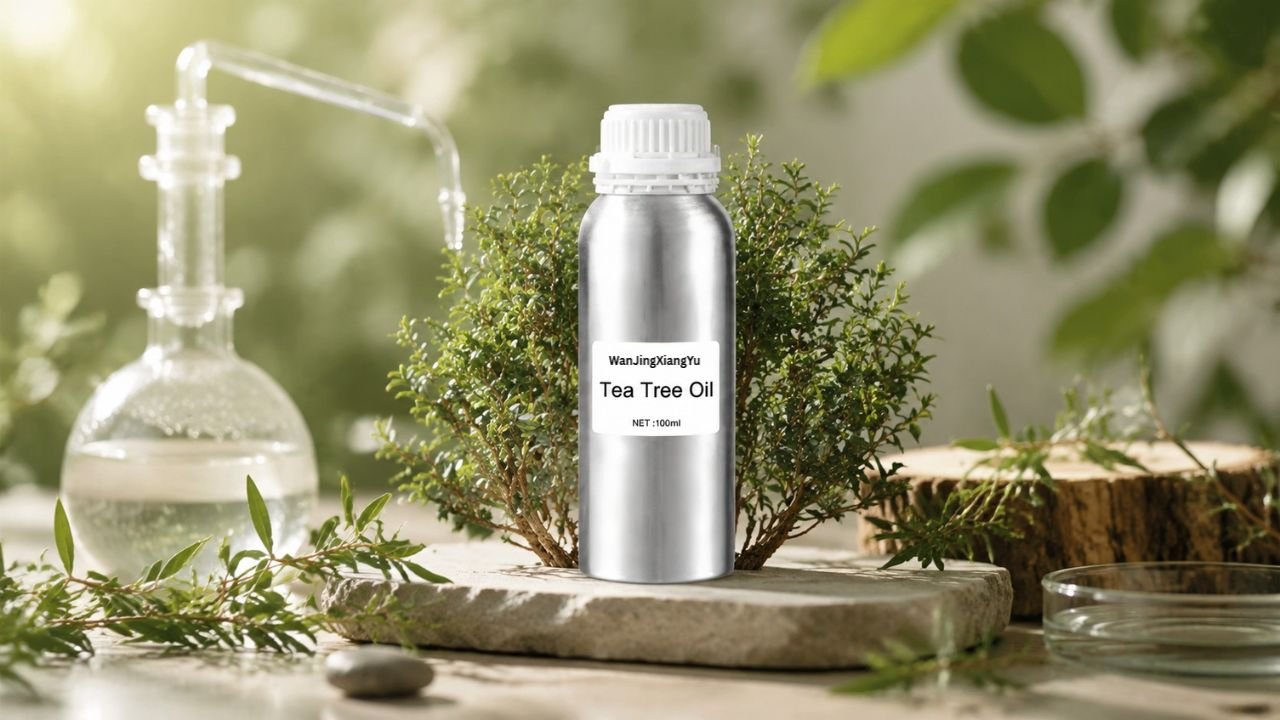
Tea tree oil is derived from the native Australian plant Melaleuca alternifolia, which is widely regarded in the industry as a high-quality source.
This product is extracted and purified by low-temperature steam distillation technology, without adding any chemical additives throughout the process, thus retaining the active nutrients in the plants. Its main active component is terpene 4-ol. The content of this active ingredient directly determines the antibacterial and anti-inflammatory effects of tea tree oil. It is also the key indicator for us to distinguish the quality grades of tea tree oil.
Key Benefits of Tea Tree Oil
Tea tree oil has four functions and can be used in skin care, personal care, and cleansing formulas.
Antibacterial Properties
Tea tree oil can help inhibit the growth of bacteria on the skin and in the daily environment. You can add tea tree oil to acne care formulas to help reduce acne-causing bacteria.
Anti-inflammatory Effects
You can add tea tree essential oil to your skin care formula to help soothe redness and mild irritation of the skin. After reasonable dilution, this component is usually well tolerated. It is often used in skin care products designed for sensitive or acne-prone skin.
Antifungal Activity
Tea tree oil can be used in scalp, foot, and nail care formulas. It can help you solve common skin problems caused by fungal infections, such as dandruff, athlete’s foot, and onychomycosis. It is widely used in anti-dandruff shampoos and foot creams.
Natural Deodorizing Function
It helps neutralize the unpleasant odors in the environment. You can add tea tree oil to your cleaning products to enhance their natural deodorizing effect.
Uses of Tea Tree Oil
Skin Care Uses
If you are in the acne removal and oil control product line, this ingredient is very suitable for:
- This ingredient can inhibit the reproduction of Cutibacterium acnes and relieve the redness, swelling, and inflammatory irritation caused by acne. It can also reduce the recurrence of closed comedones.
- For oily skin, it can regulate the water and oil balance of the entire face. It can improve excessive facial oil and large pores, making the skin fresh, smooth, light, and transparent.
Hair and Scalp Care
Tea tree oil is used in anti-dandruff shampoo formulations. We have come into contact with a large number of cases of personal care brands. You can use tea tree oil in shampoo formulations to target dandruff and oily scalp markets.
Nail and Foot Care
Tea tree oil has a very practical conditioning effect on the foot and nail fungus problems. It can assist in improving problems such as onychomycosis and thickened, yellowed nails. It can also relieve athlete’s foot, peeling, and itching of the feet. If you are developing foot care and nail care products, natural raw materials will be the ideal choice for your products.
Household Uses
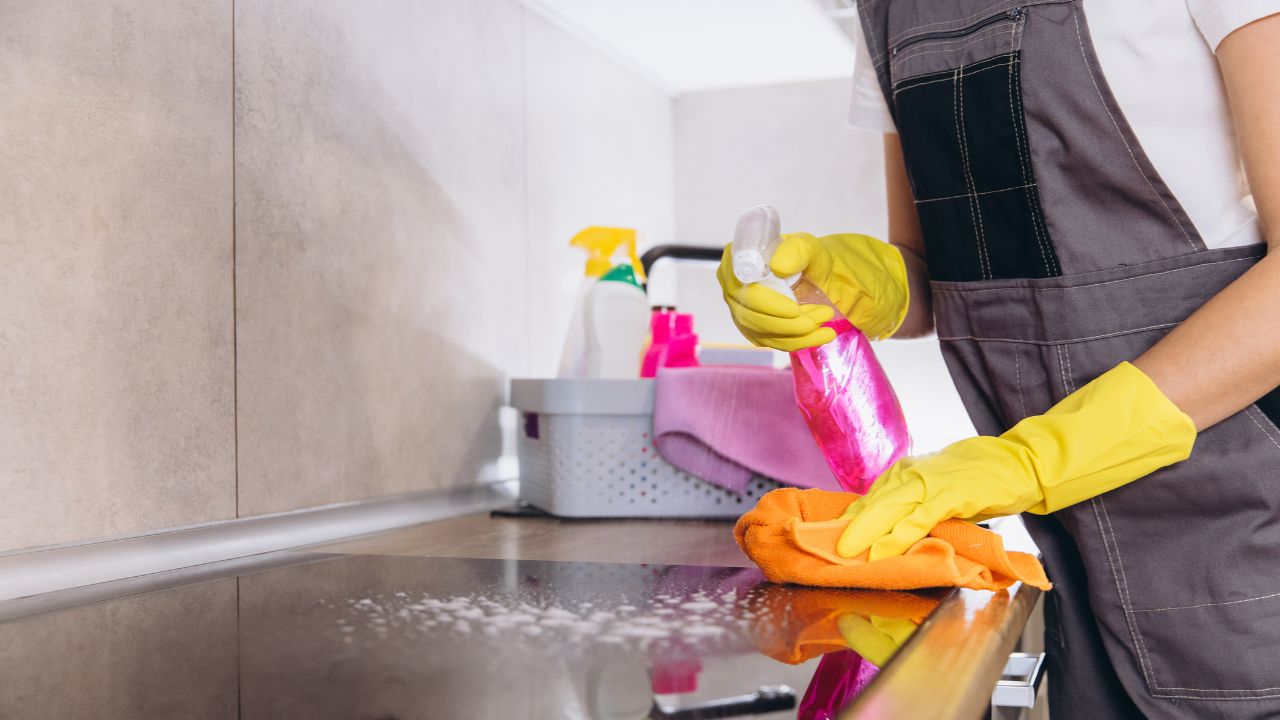
Compared with traditional chemical cleaners, our tea tree oil is plant-based. You can use it in natural disinfectants and household cleaning products. It is used for cleaning various hard surfaces such as desktops, floors, kitchenware, and bathrooms. It can also inhibit the growth of mold on walls and in corners, decompose damp odors, and purify your home environment.
Aromatherapy Uses
The grassy aroma of tea tree oil can be used for aromatherapy. It can purify indoor air, relieve your stress and irritability, and refresh your mind. Whether you are making home aromatherapy products, in-store aromatherapy items, or essential oil sets, it is a versatile and popular accessory. It is also a best-selling category in our aromatherapy raw material line.
Summary Table
| Category | Main Uses | Key Benefits | Typical Applications |
| Skin Care | Acne control, oil balance, minor wound care | Antibacterial, anti-inflammatory, oil regulation | Acne serums, repair creams, toners |
| Hair and Scalp Care | Dandruff control, scalp cleansing | Anti-fungal, deep cleansing | Anti-dandruff shampoos, scalp tonics |
| Nail and Foot Care | Nail fungus, athlete’s foot, foot odor | Antifungal, soothing irritation | Foot creams, nail care oils |
| Household Uses | Surface cleaning, mold removal | Natural disinfectant, deodorizing | Natural cleaners, bathroom sprays |
| Aromatherapy | Air purification, stress relief | Refreshing aroma, calming effect | Diffusers, essential oil blends |
How to Use Tea Tree Oil Safely
Pure tea tree oil has a high concentration and strong activity. It is usually mixed into the finished product formula. It is not recommended that you use it directly. When developing personal care or cosmetic products, you should consider the following points:
- Dilution rate: Tea tree oil is usually mixed with base oils (such as coconut oil, jojoba oil, etc.) or incorporated into formulas like creams, lotions, and shampoos. The specific dilution ratio should be determined based on your intended use and relevant cosmetic regulations.
- Stability test: Before going into production, you need to test the stability of the formula and the performance of the product.
- Skin test: Before the product is launched on the market, you should conduct skin tests in accordance with the regulatory requirements of the market.
Who Should Avoid Tea Tree Oil?
If your product is targeted at sensitive skin, mothers and babies, and children, you need to pay special attention:
- People with sensitive skin should reduce the concentration and use it with caution.
- Pregnant women are advised to consult a doctor before use.
- Infants and young children have delicate skin. You need to strictly control the dosage and concentration.
Tea Tree Oil vs Other Oils
Tea Tree Oil vs Lavender Oil
Lavender oil mainly focuses on soothing and repairing, sleep-aiding and moisturizing, but its anti-inflammatory and antibacterial effects are relatively weak. The advantages of tea tree oil lie in its powerful antibacterial, antifungal, oil-control, and acne-removal properties. It is more suitable for you to create best-selling products for problem skin, scalp care, and cleaning.
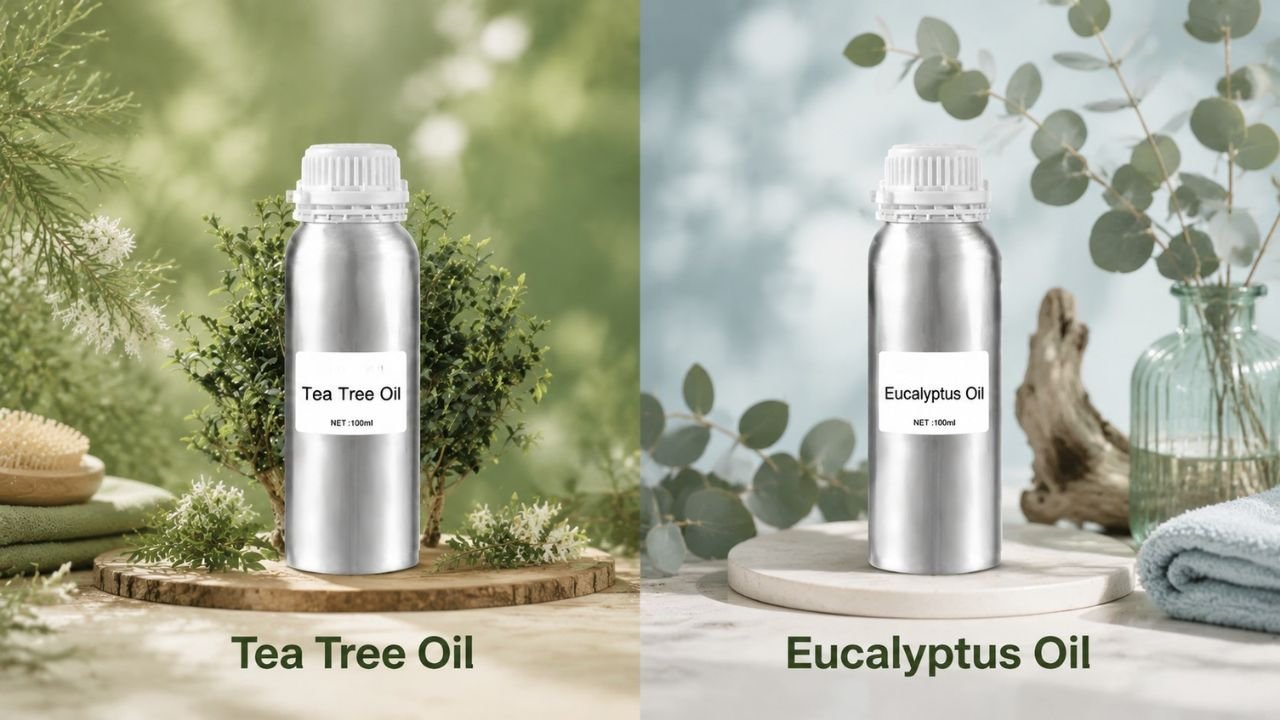
Tea Tree Oil vs Eucalyptus Oil
Eucalyptus oil mainly functions to soothe the respiratory tract, but it is relatively irritating. Tea tree oil is milder, safer, and has better skin compatibility. You can use it for skin care. It has a wider range of applicable people.
Comparison Table
| Aspect | Tea Tree Oil | Lavender Oil | Eucalyptus Oil |
| Primary Function | Functional skincare ingredient (antibacterial and cleansing) | Soothing, relaxation, sleep support | Respiratory relief, air purification |
| Skin Benefits | Acne control, anti-inflammatory | Moisturizing, calming irritation | Limited skin care use, may irritate sensitive skin |
| Antibacterial Strength | Strong | Mild | Moderate |
| Skin Compatibility | High (when diluted) | Very high | Moderate to low |
| Best For | Acne-prone skin, scalp care, foot care | Sensitive skin, aromatherapy products | Diffusers, cold-relief products |
| Market Positioning | Functional skincare ingredient | Wellness and relaxation oils | Aromatherapy and respiratory care |
Among the three oils, tea tree oil is the most functional in antibacterial and skin care applications. Therefore, it is more suitable for cosmetic formulas targeting acne, scalp problems, and personal care products.
FAQ
What Is the Ideal Dilution Ratio of Tea Tree Oil in Skin Care and Hair Care Formulas?
You can use a 1%-2% dilution for facial skincare and 3%-5% for scalp and body care formulations. This ratio combines safety and effectiveness. It is the most commonly adopted formula specification in the production of cosmetics.
Can Tea Tree Oil Be Ingested Orally for Internal Health Benefits?
No. Pure tea tree oil is toxic when ingested. It is strictly for external use only. Oral intake may cause dizziness, nausea, and other adverse reactions. You cannot add tea tree oil to oral products. All cosmetic-grade tea tree oil is an external formula.
Does Tea Tree Oil Cause Skin Dryness with Long-Term Use?
Improper use at high concentrations may cause slight drying. However, if you use tea tree oil in accordance with the standard dilution ratio and pair it with moisturizing products, it will not dry out your skin. On the contrary, it can relieve sebum secretion while maintaining the skin’s water-oil balance.
Can Tea Tree Oil Be Used Around Pets Safely?
Because cats and small pets have relatively weak metabolic capabilities, it is not recommended that you use them around them. For household products used by families with pets, we recommend reducing its the concentration or avoiding its use when in contact with pets.
Will Tea Tree Oil Fade Skin or Hair Color After Use?
No. Tea tree oil contains no bleaching ingredients and will not change the natural color of your skin or hair. It only has the functions of cleaning oil, inhibiting bacteria, and relieving inflammation, and has no whitening or fading effect.
Can Tea Tree Oil Help with Hair Growth?
Although tea tree oil cannot directly promote hair growth, it can clean clogged hair follicles. This can improve the unhealthy condition of the scalp caused by oil blockage and lay a healthy foundation for normal hair growth.
Is Tea Tree Oil Compatible with All Cosmetic Ingredients?
Tea tree oil has good compatibility with most vegetable oils and moisturizers. However, it is not suitable for strongly alkaline formulas. Our professional team can provide you with targeted formula suggestions based on your product types.
How Often Should I Use Tea Tree Oil?
If you pay attention to skin care, it is recommended to use it 2 to 4 times a week. Avoid frequent use that may burden your skin. If you are engaged in household cleaning, you can use it every day as needed.
Can Tea Tree Oil Expire?
Yes. Tea tree oils have a shelf life. Sealed and light-proof storage can extend their service life. For industrial raw materials, bulk storage should follow professional storage standards.
Final Thoughts
Tea tree oil is widely used in personal skin care, scalp care, hand and foot care, household cleaning, and aromatherapy health care. Its market demand is increasing day by day. If you want to know about raw material quotations, samples, or formula matching plans, please feel free to contact us at any time. We offer you a professional solution.