The benefits of different essential oils vary naturally. Understanding the benefits of various essential oils can help you better match customer needs and choose the right essential oil product categories. This article introduces the definition and benefits of essential oils, providing you with useful commercial purchasing suggestions.
What Are Essential Oils?
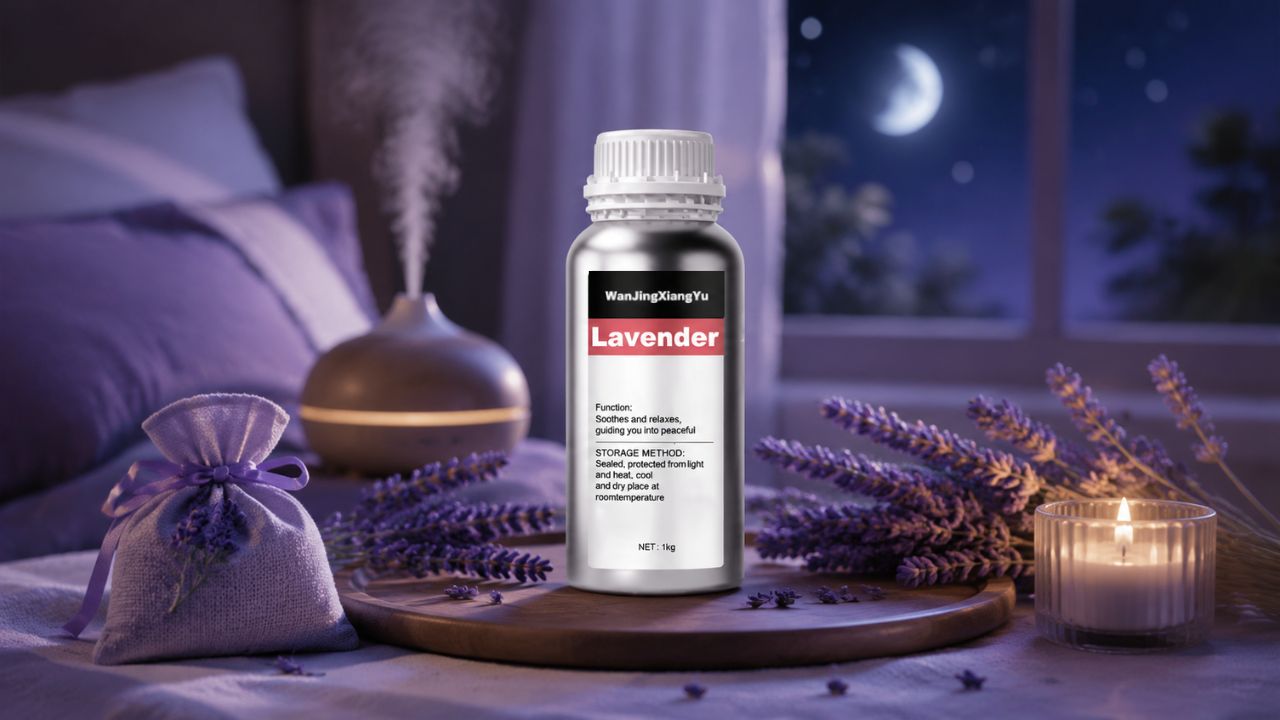
Essential oils are concentrated hydrophobic liquids containing complex mixtures of volatile aromatic compounds extracted from plants. Some of these compounds have biological activities that may provide potential benefits in certain applications.
High-quality essential oils capture the characteristic aroma and volatile compounds of plants, representing the essence of the plants. Due to their origin from unique aromatic compounds, each essential oil has a unique nature and can bring different feelings to your customers.
Essential oils are usually made into usable products through distillation or mechanical methods, such as cold-pressing to extract plant compounds and then mixing with carrier oils. Different extraction methods may influence the composition, aroma profile, and intended application of the essential oil.
How Do Essential Oils Work?
Essential oils are mainly used in aromatherapy and can be inhaled by your customers in various ways. The fragrance of essential oils may influence the limbic system of the brain, influencing people’s mood, behaviors, sense of smell, and long-term memory.
Some studies suggest that aromatherapy may influence physiological responses such as heart rate and perceived stress levels.
You can make essential oil massage oil or skin care products and apply them to the skin. Some plant chemicals can be absorbed by the human body. Although some consumers use essential oils in warm compresses, there is currently insufficient evidence to determine whether this practice improves absorption or produces additional therapeutic benefits.
Benefits of Essential Oils
Alleviate Stress and Anxiety
This effect is mainly manifested in aromatherapy. You can combine the scent of essential oils with traditional therapy to alleviate anxiety and stress. However, other compounds used in the therapy also have odors, so some people do not believe it is the effect of the essential oils.
Your customers can continue to use essential oils during the massage to relax their bodies and minds. The scent of the essential oils can stimulate the brain and may promote relaxation and improve the perception of well-being. Make your customers reduce their worries and gain inner peace.
Pain Relief
Apply a thin layer of peppermint essential oil evenly to the forehead and both temples. This may help relieve mild headache symptoms. Lavender essential oil can also have the same effect. Let your customers directly take an appropriate amount of lavender oil and gently rub it onto the skin. It can effectively alleviate headache pain.
According to the Persian headache relief therapy, you can mix chamomile essential oil and sesame oil, and apply a thin layer on the temples and may help reduce the perception of mild headache discomfort in some individuals. Your customers can also use the combination of essential oil and massage after excessive exercise to relieve muscle soreness.
Improve Sleep and Relieve Insomnia
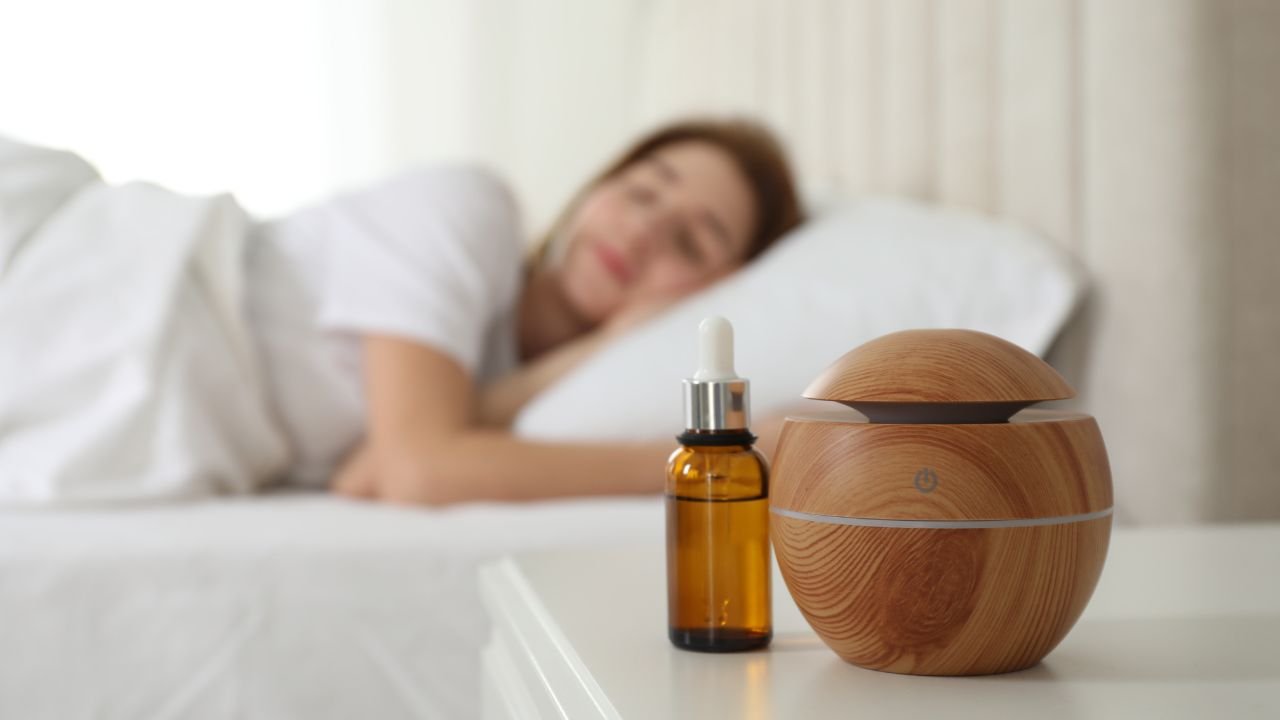
Lavender essential oil has a positive effect on improving sleep habits. Relevant studies have shown that lavender essential oil can improve the sleep quality of postpartum women and also has certain effects on patients with heart disease.
Your customers inhale the essential oil, which affects the parasympathetic nervous system to lower heart rate and blood pressure. This has a certain effect on improving sleep quality. Aromatherapy products containing lavender essential oil are widely used in sleep-support product categories. This is also a major selling point of your related sleep aid essential oil products.
Promote Digestion
Essential oils can also alleviate occasional stomach discomfort and help your customers maintain healthy digestion. Some essential oils’ scents can relieve nausea or bloating and help restore the balance of the digestive system.
For example, ginger essential oil has traditionally been used in aromatherapy products intended to support digestive comfort. Therefore, you can use ginger essential oil to produce products that relieve bloating and constipation.
And peppermint essential oil can relax the digestive system and relieve smooth muscle spasms. Some commercial drugs for treating irritable bowel syndrome contain peppermint oil.
Reduce Inflammation
You can use essential oils to create products that alleviate diseases related to inflammation. Some essential oils have shown anti-inflammatory properties in laboratory and preliminary studies. As a result, they are sometimes incorporated into wellness and personal care products intended to promote comfort and support skin soothing.
You can advise the customers to use it in a long-term and reasonable manner, which may help reduce skin inflammation problems.
Antimicrobial Properties
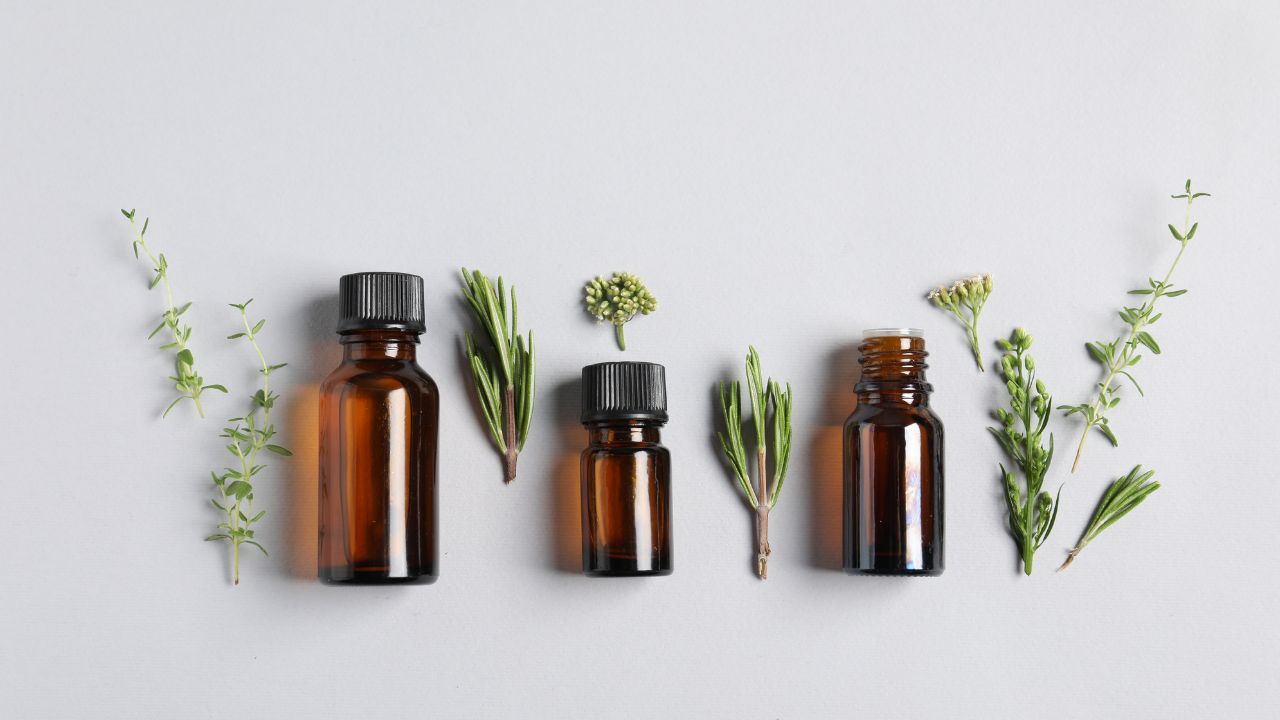
Essential oils contain active substances that have demonstrated antimicrobial activity. However, the effects shown in vitro do not necessarily translate to actual effects in the human body. Using specific single types of essential oils may not be sufficient to treat all bacterial infections in the human body.
Nevertheless, tea tree essential oil is a high-quality antibacterial raw material. Journal studies have confirmed that it can inhibit the proliferation of herpes viruses.
According to the experiments, applying a 6% concentration of tea tree essential oil gel externally can improve recurrent lip herpes. However, the sample size in the experiments was small, and the actual efficacy still needs further verification. If you want to produce such products, further confirmation may be necessary.
Anti-Aging Properties
If your customers continue to use natural essential oils for skincare and hair care, maintain their personal care routines, stay away from low-quality chemical additives and hydrogenated oils, to a certain extent, they can gently repair skin that is sensitive and damaged by allergies.
Some essential oils can lighten age spots and slow down skin aging. If your customers have acne problems on their skin, essential oils can also be used to improve the situation and can help reduce oxidative stress caused by environmental exposure.
For example, rosemary oil can regulate the body’s hormone balance and nourish hair follicles, and may help support healthier-looking hair. Essential oils have multiple functions such as antioxidation and repair, which are suitable for your personal care product line. This can enhance your market competitiveness.
How to Choose the Right Essential Oils Based on Their Benefits?
You can select the appropriate essential oils based on the different benefits of each oil for your various product lines. Below are the applications of the three major essential oil product categories, and we have recommended suitable essential oils for your business based on the different benefits of each oil.

Aromatherapy Sector
If you want to develop aromatherapy products related to relaxation and mood-support applications, you can choose essential oils such as lavender, lemon balm, neroli, and bergamot.
You can use lavender essential oil to make sleep-enhancing sprays and diffusers, highlighting its benefits in improving sleep and relieving stress. Lemon balm essential oil is helpful for anti-anxiety and mood regulation, and is suitable for making emotional balance compound oils.
Lemon grass and neroli essential oils both have refreshing sensory profiles. However, lemon grass essential oil can help your customers stay alert, relieve fatigue, and is more suitable for making refreshing rollers and bath essences.
While neroli essential oil focuses more on calming effects, it is suitable for creating products that provide both skin and emotional care, such as high-end massage aromatherapy products.
Skincare Sector
Because essential oils can reduce inflammation, act as antibiotics and antibacterial agents, and have anti-aging benefits, they are also suitable for use in skincare products.
Rosemary and lavender essential oils exhibit antioxidant activity and can reduce damage to the skin caused by environmental factors such as ultraviolet rays and pollution. You can make anti-aging serums and daytime protective creams.
German chamomile essential oil can have anti-inflammatory and soothing effects and is more recommended for use in products for repairing sensitive skin and soothing sprays.
Tea tree essential oil has antibacterial properties, regulates sebum secretion, and is suitable for making acne-removing serums and oil-control cleansers. If your customers are more interested in brightening products and anti-wrinkle eye creams, you can use rose and lemon essential oils.
Food Sector
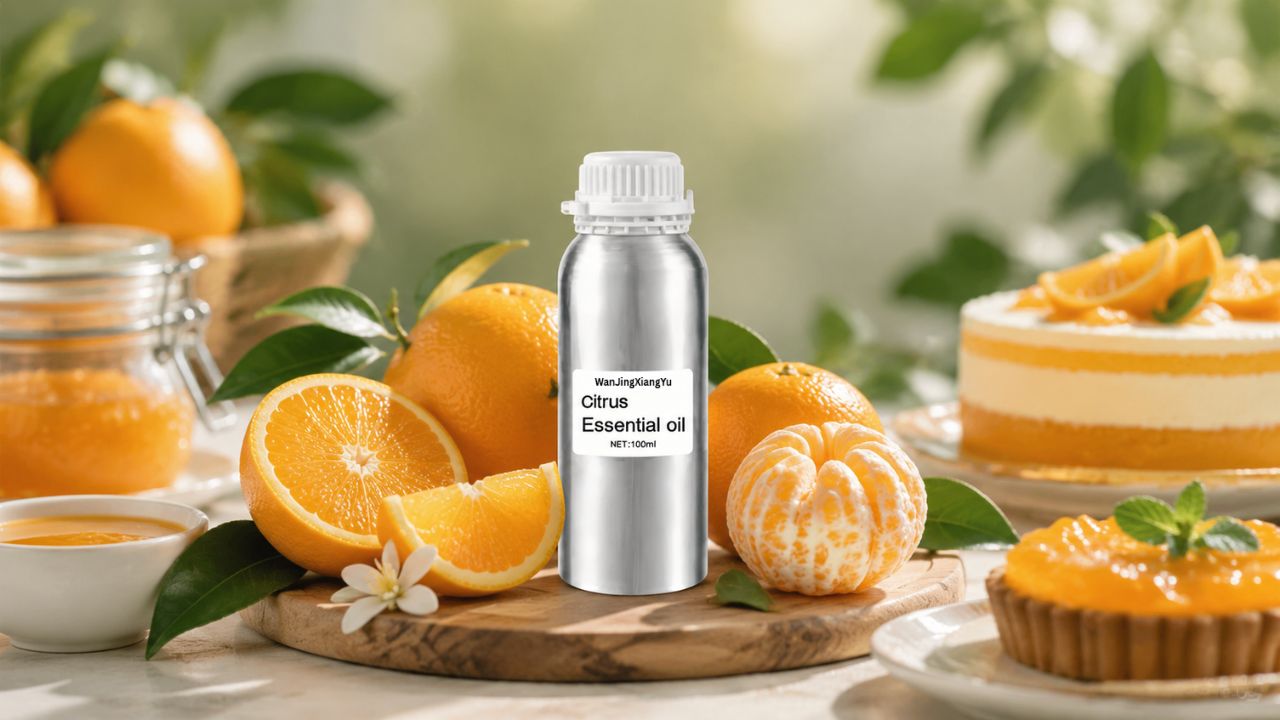
If you are in the food industry, essential oils can serve as natural preservatives and flavor enhancers, making them an ideal alternative to synthetic additives.
Clove (eugenol) and rosemary essential oils have antibacterial and antioxidant properties, which can inhibit foodborne pathogens and spoilage bacteria. You can add certain food-grade essential oils or use them as active packaging materials.
You can use citrus oils (such as orange and lemon) and peppermint essential oils to make beverages, desserts, and flavoring sauces, adding different flavors to your products.
Pharmaceutical Sector
Eucalyptus essential oil is one of the most thoroughly studied and widely used varieties of essential oils. It has been investigated for various potential applications, including supporting respiratory comfort and providing cooling sensations in topical formulations.
Therefore, in the pharmaceutical field, you can also use eucalyptus essential oil to produce many related products, such as nasal lubricants, sports relief gels, and wound care products, etc.
FAQ
Do Storage Conditions Affect the Benefits of Essential Oils?
Yes, and it will have a significant impact. Because essential oils are chemically reactive substances, improper storage can accelerate oxidation. Besides changing the smell of the essential oils you purchased, it may also produce new allergens.
If your skincare products contain essential oils that have been improperly stored, it may damage your brand reputation and increase your after-sales service costs.
Why Can the Benefits of the Same Essential Oil Vary Wildly Between Suppliers?
The benefits of essential oils mainly lie in their chemical composition. However, essential oils are complex natural mixtures, and their chemical composition is influenced by various factors such as plant variety, origin, climate, harvest season, and extraction process.
Therefore, you can request the supplier to provide a GC/MS analysis report of the plant species and batch number to ensure product quality.
What Is a GC/MS Report, and Can It Guarantee the Benefits of Essential Oils?
The GC/MS report is the industry standard for verifying the purity and composition of essential oils. Through this report, you can know what components are present in the essential oil you purchased and their respective concentrations.
It can detect whether dilution oil, synthetic fragrances, or other impurities have been added, supporting quality verification and composition assessment.
As a Natural Raw Material, Does More Essential Oil Mean Better Benefits?
It’s not like that. Essential oils have strict dosage limits. If you use them at high concentrations directly, it may pose safety risks. For example, with many citrus essential oils, exposure to ultraviolet rays after application can cause skin burns or pigmentation.
Does Organic Certification of Essential Oils Affect Their Benefits?
Organic certification mainly concerns whether synthetic pesticides and fertilizers are used in the plant cultivation process, and it does not directly equate to better benefits of essential oils. Some non-organic essential oils may be purer in GC/MS tests than organic batches.
Final Thoughts
Wanjing Xiangyu is a biotech company specializing in the production of essential oils. Our essential oils are produced from carefully selected aromatic plant materials. If you need customized services, please contact us. Our range of essential oils is extensive and can meet your diverse needs.