Rosemary oil is very popular in the hair growth product market. Understanding the efficacy and applications of rosemary oil can help you select high-quality raw materials and optimize the hair care product formula. This article explores the role of rosemary oil in hair growth and related products, hoping to help you enhance your brand’s market competitiveness.
What Is Rosemary Oil?
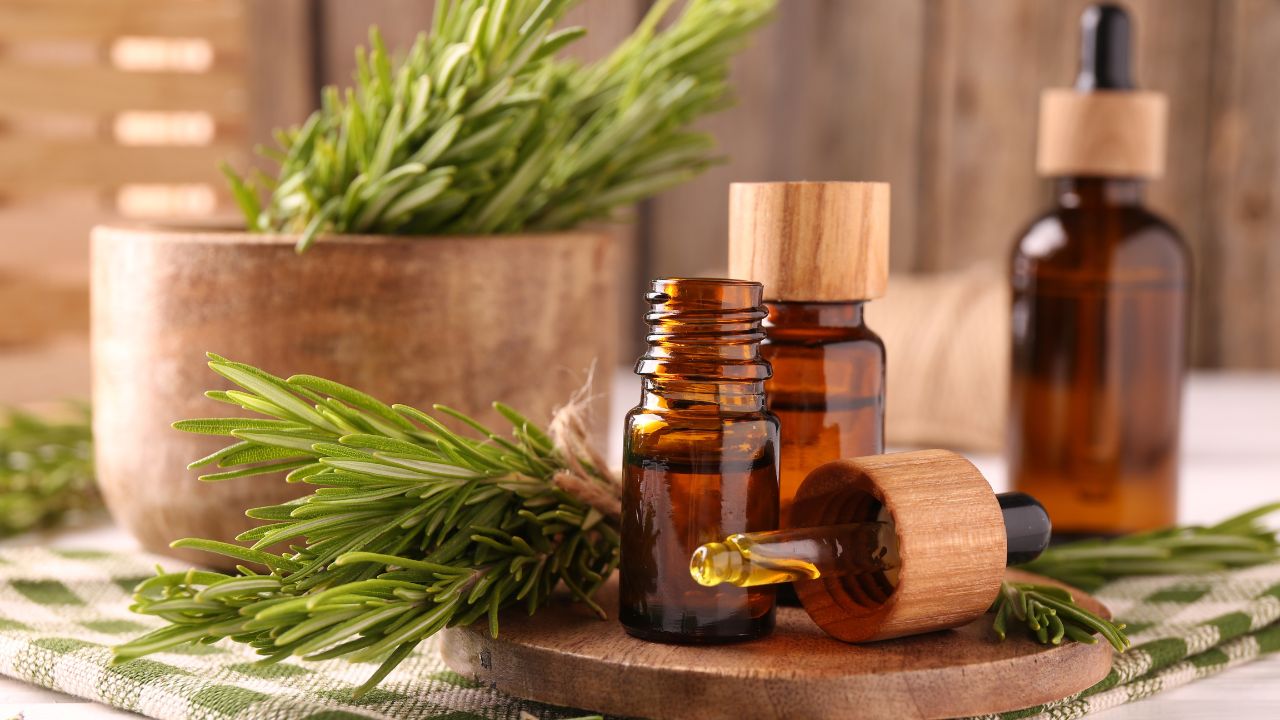
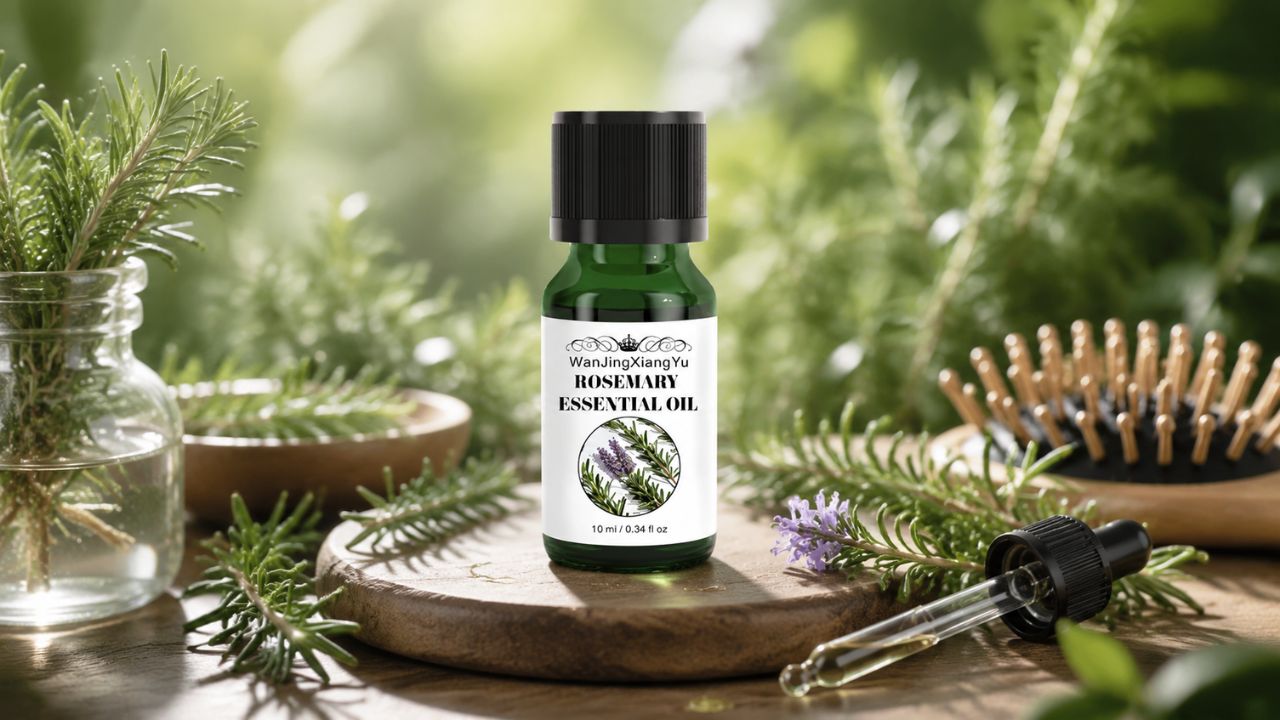
Rosemary oil is a colorless to pale yellow liquid extracted from the rosemary plant. As it is extracted from the plant, high-quality rosemary oil has a herbal aroma. Its aroma is spicy and fragrant.
It can be widely used in perfumes, skin care and hair care products. Because rosemary oil contains antioxidant, anti-inflammatory and antibacterial compounds, it is very popular in the cosmetics industry.
How Rosemary Oil Helps Grow Hair?
Stimulate Hair Growth
Rosemary oil contains rosmarinic acid, carnosic acid, and 1,8-cineole. These compounds help maintain a healthy scalp microenvironment and support follicular cell function, thereby promoting cell renewal, promoting local microcirculation and improving blood circulation. In particular, blood circulation is crucial for hair growth.
If your consumers’ scalps lack sufficient blood supply, hair follicles cannot function properly, and the necrosis of the hair follicles leads to their hair loss problems. Therefore, rosemary oil is very important for repairing the scalp and promoting hair growth.
Inhibit DHT (Dihydrotestosterone) Activity
Rosemary oil can inhibit the DHT (Dihydrotestosterone). DHT is the main hormone that causes androgenic alopecia, which causes the hair follicles to shrink and leads to the gradual thinning of the hair. Moreover, the DHT plays a role in both male and female hair loss.
If you add rosemary oil to your hair care formulations, it can reduce the DHT level in your consumers’ scalps, thereby promoting hair growth.
And controlled studies have been conducted on this topic. After 6 months, there was no significant difference in the average increase in hair count between the 2% minoxidil group and the rosemary oil group.
Soothe Scalp Irritation
In the same minoxidil control experiment, most of the people in the group using rosemary oil also reported that their scalp itching had decreased. Moreover, the essential oil form of the rosemary plant has anti-inflammatory properties and can play a certain role in soothing damaged scalps.
You can use this as a selling point for your hair care products to meet consumers’ need for scalp relaxation.
Prevent Hair Loss

Rosemary oil is a powerful antioxidant that can combat free radicals. Since free radicals can damage cells and follicles, leading to hair loss, using rosemary oil in your products can, to some extent, prevent hair loss.
Prevent Dandruff
Rosemary essential oil can also effectively eliminate harmful bacteria that clog hair follicles and balance the micro-environment of the scalp. This can effectively balance the scalp microbiome to reduce visible dandruff and protect the hair follicles.
Not only does it solve the dandruff problem that your customers are troubled by, but it can also prevent hair loss. If you use rosemary oil reasonably in your products, it can enhance the overall competitiveness of your products.
Reduce Premature Gray Hair
If cells are damaged, they will undergo oxidation reactions, which can cause hair to turn white. Rosemary oil can combat free radicals, which helps to slow down the process of hair turning white. Excessive stress can also cause hair to turn white. Rosemary oil can help your customers relieve stress. In some ways, it is also beneficial for scalp health.
How to Use Rosemary Oil in Hair Growth Products?
Rosemary oil has many advantages in promoting hair growth, and it does have a certain effect on hair development. Therefore, if you want to take advantage of these benefits and expand your personal care product line, you can consider the following product types:
Hair Shampoo Products
In daily life, the product that most consumers use most frequently and related to hair is shampoo. Therefore, you can add an appropriate amount of rosemary oil to the shampoo to achieve a certain anti-hair loss effect.
Moreover, adding an appropriate amount of rosemary oil not only helps your shampoo product enhance its market competitiveness, but also helps control costs and avoid excessive cost expenditures that may affect profits. In the daily shampoo product market, consumers pay more attention to cost-effectiveness.
Scalp Massage Oil
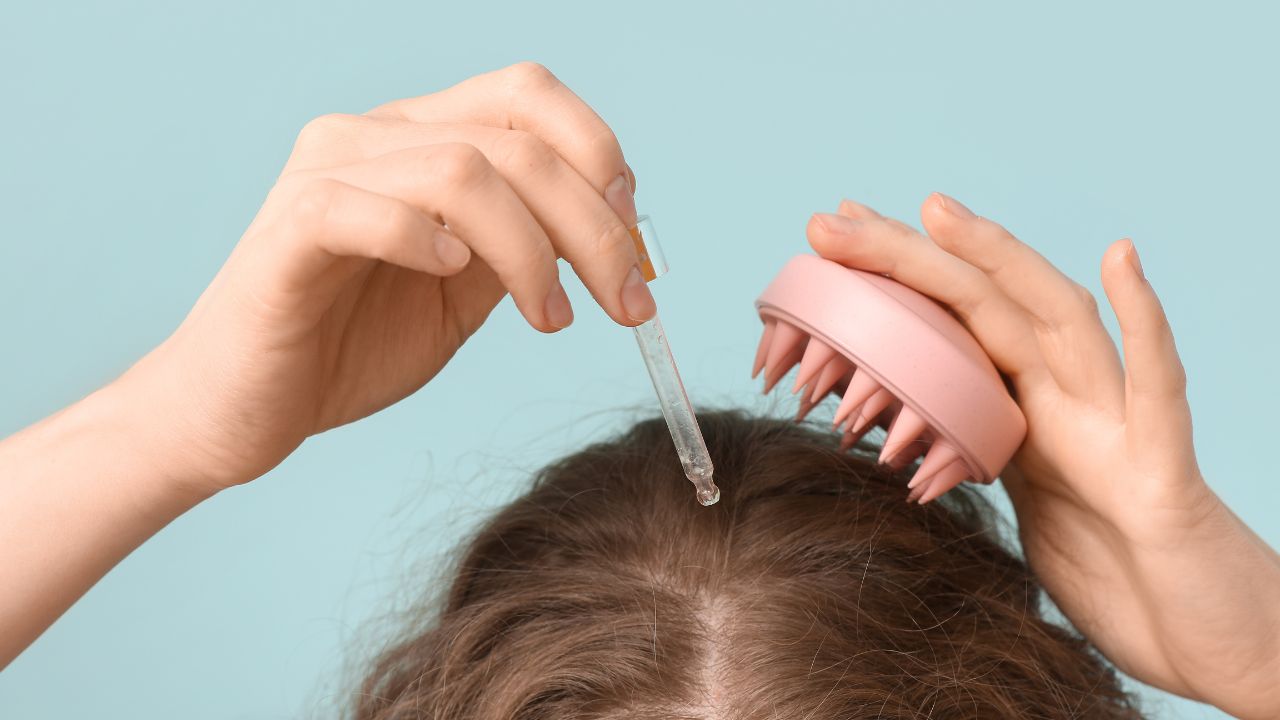
If your customers merely apply a thin layer of rosemary oil to their hair, this is actually ineffective. The rosemary oil cannot fulfill its true function. It must be massaged into the scalp for adequate absorption. Therefore, you can develop and produce scalp massage oil products using rosemary oil.
However, the concentration of rosemary oil is extremely high. We do not recommend using it directly. You can mix it with carrier oils, such as coconut oil or jojoba oil, to avoid causing skin irritation.
Fragrance-Free Hair Care Products
Many ordinary consumers do not merely use shampoo when washing their hair; they may also use hair care products such as conditioner. And consumers who are concerned about the quality of their hair and who like to style it often are willing to pay a higher price to purchase your highly effective hair masks.
So you can add an appropriate amount of rosemary oil to your hair care product formula to enhance its performance. However, we recommend not adding other fragrances to hair conditioners or hair masks to increase the scent. This might reduce the efficacy of rosemary oil for hair growth and also increase the risk of irritating the scalp.
Moreover, an increasing number of consumers believe that fragrance-free and pigment-free formulations are safer than those with excessive added fragrances and pigments. Therefore, you can create a series of odorless high-end hair care products, enriching your brand’s connotation with all-natural formulas.
Leave-In Hair Serum
When it comes to hair care products, there are differences between the leave-on essence and hair conditioners and hair masks. The leave-on essence has become popular due to its more convenient usage. Moreover, the leave-on essence can remain on the customer’s hair and does not require rinsing, which may better exert the efficacy of your product.
We recommend combining rosemary oil with other potent ingredients, such as peptides, plant stem cells, and ginseng. Ingredients such as peptides and plant-derived stem cell extracts may complement rosemary oil in supporting hair follicle function. These can help improve the hair health of your customers.
FAQ
What Advantages Does Rosemary Oil Have Over Other Hair Oils Like Coconut Oil and Castor Oil?
Rosemary oil is an essential oil, not like coconut oil or jojoba oil which are carrier oils. Rosemary oil has biological activity and can reduce inflammation, act as an antioxidant, and be effective for hair follicles. While carrier oils like coconut oil mainly serve the purpose of moisturizing.
Therefore, we recommend using these two types of oils together, which might yield better results.
What Quality Indicators and Documents Should You Focus On When Sourcing Rosemary Oil?
First, it is necessary to confirm the production date and expiration date. Generally, the shelf life of rosemary oil under reasonable storage conditions is 36 months. However, the efficacy of the rosemary oil may be affected if it has been stored for too long.
Second, the GC-MS report is something you must pay attention to when purchasing essential oil products. It can verify the chemical type and purity of the product to avoid buying counterfeit goods.
Third, you can ask the supplier to provide a COA certificate to check whether the rosemary oil contains heavy metals, pesticide residues, and microorganisms.
What Safety Risks Are Associated With Using Rosemary Oil in Hair Care Products?
If the concentration of rosemary oil is too high, it may cause dermatitis in customers. Therefore, for the specific formula, it is recommended that you consult an expert before making a decision. We suggest adding 0.5% to 2% of rosemary oil.
Also, some people may be allergic to rosemary oil. The product instructions must remind customers to conduct an allergy test before using it. Rosemary oil contains camphor components and is not recommended for pregnant or lactating women.
How Is the Market Trend of Rosemary Oil for Hair Growth?
At present, more and more consumers are paying attention to scalp care. They no longer merely focus on regular shampoos, conditioners and hair oils, but increasingly pay attention to products such as scalp essences.
Many major brands like Dabur Vatika have also launched hair care products related to rosemary oil, indicating that the mainstream market has begun to recognize the hair-growth effect of rosemary oil.
Will Hair Loss Rebound After Discontinuing Rosemary Oil Products?
Hair loss won’t occur immediately. However, as the antioxidant and blood circulation-promoting effects of rosemary oil wear off, the original rate of hair loss for your customers may gradually return to normal.
Final Thoughts
As a premier, certified essential oil manufacturer, Wanjing Xiangyu offers high-quality rosemary oil. Our essential oils are extracted from natural aromatic plants, and we offer a wide range of product varieties. If you need rosemary essential oil products or want to customize essential oil products for your brand, please feel free to contact us.